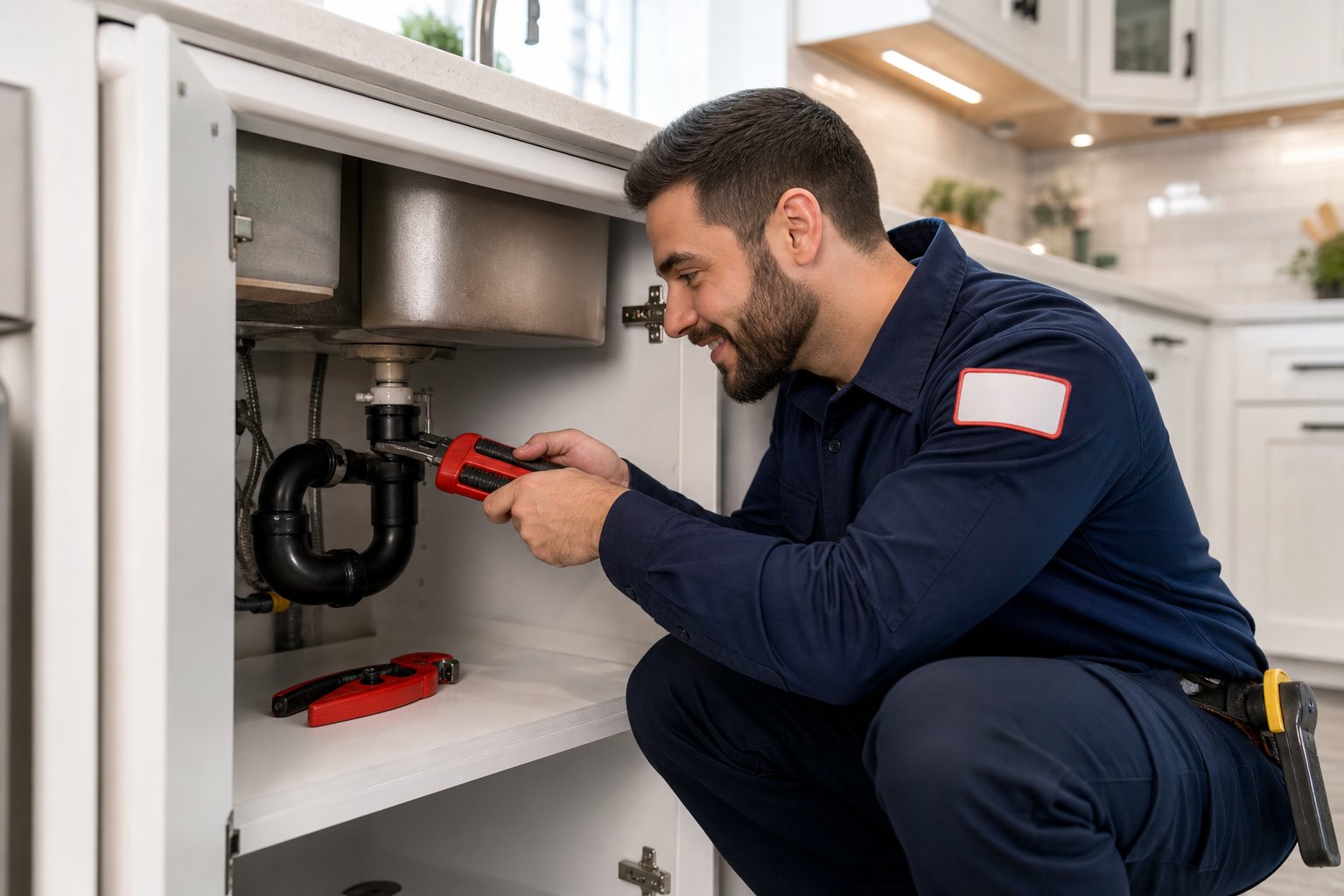
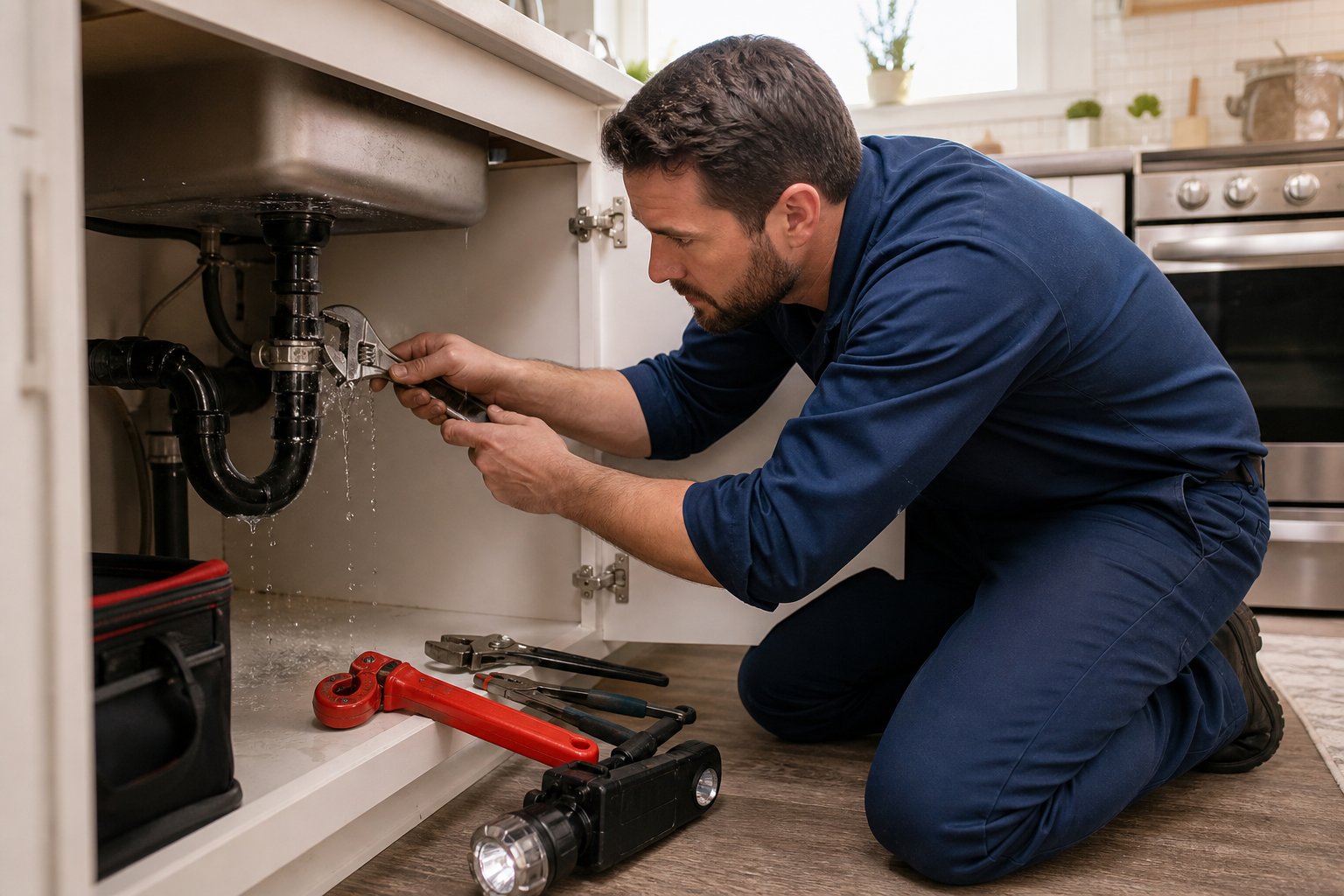
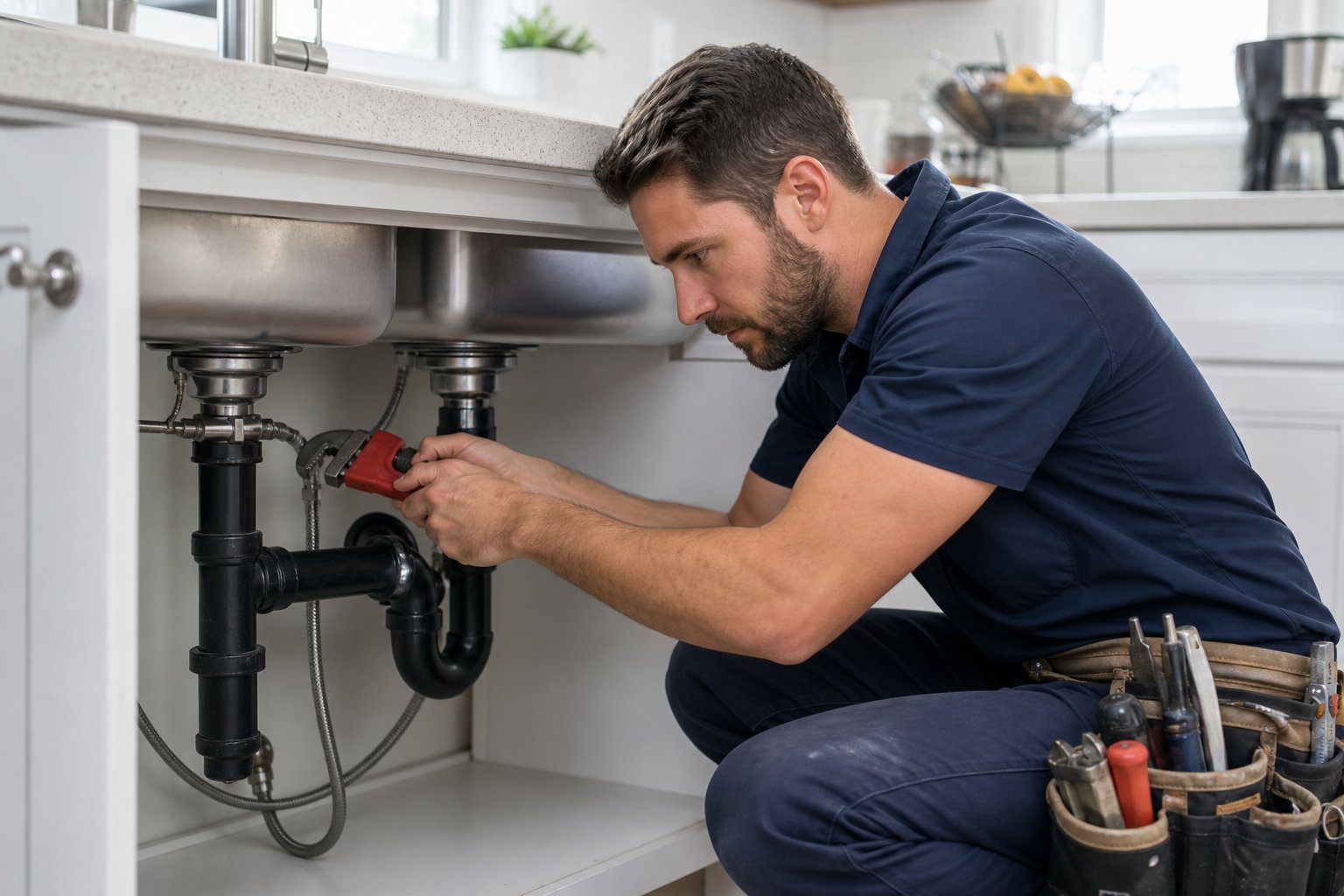
You need fast, reliable plumbing in North Richland Hills, and knowing who to call can save time and money. Whether you face a sudden leak, stalled water heater, or stubborn drain, local licensed plumbers offer same-day help and the right repairs for your home or business.
A trusted North Richland Hills plumbing company can diagnose problems quickly and fix them the same day to prevent bigger damage.
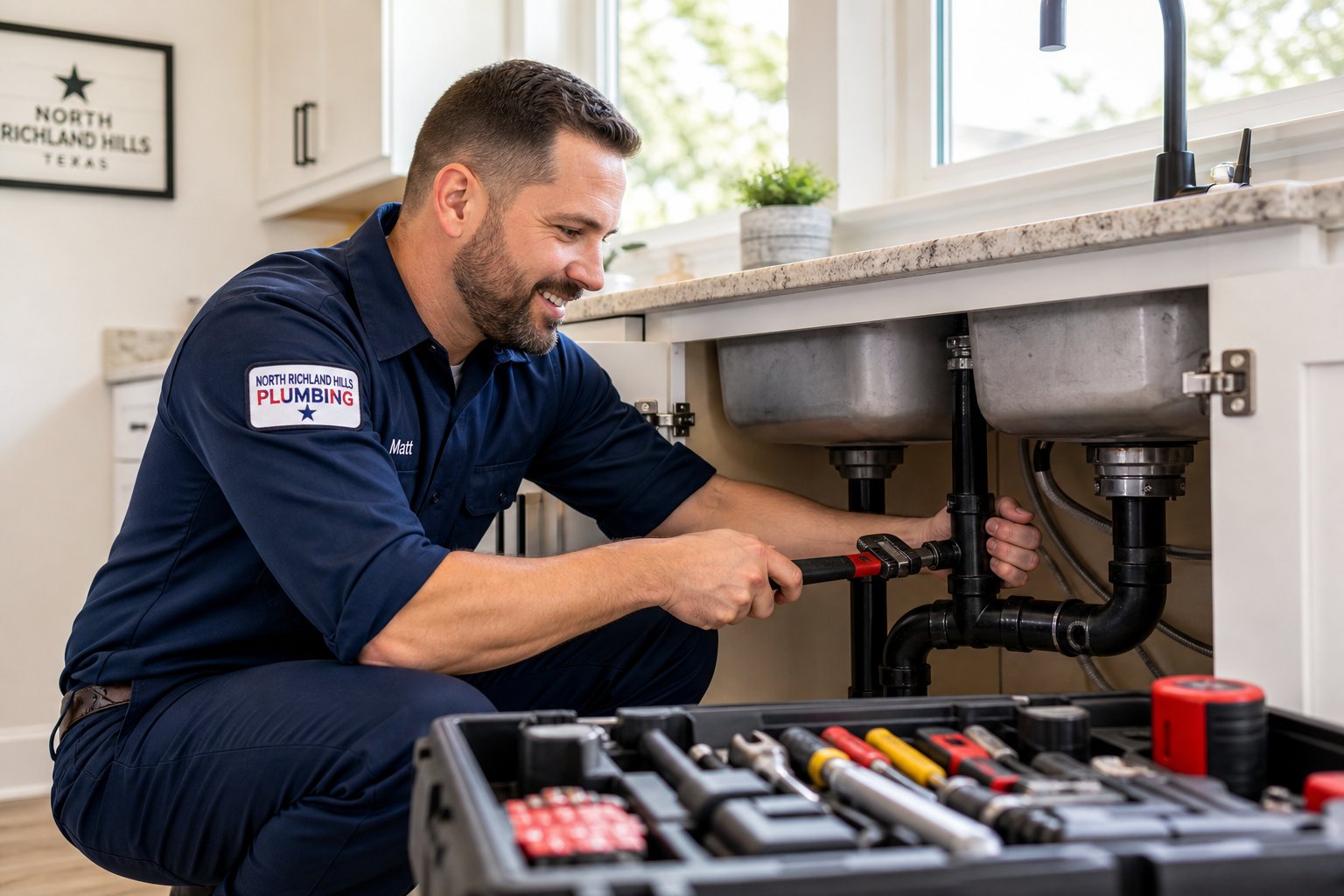
You’ll find plumbers in North Richland Hills who handle everything from routine maintenance to advanced sewer and water heater work. Use a local North Richland Hills plumber with proper licensing, clear pricing, and good reviews to make sure the job gets done right and safely.
Key Takeaways
- Choose a licensed local plumber for quick, reliable service.
- Look for same-day or emergency options to limit damage.
- Prioritize clear pricing and documented guarantees.
Comprehensive Plumbing Solutions for Every Need
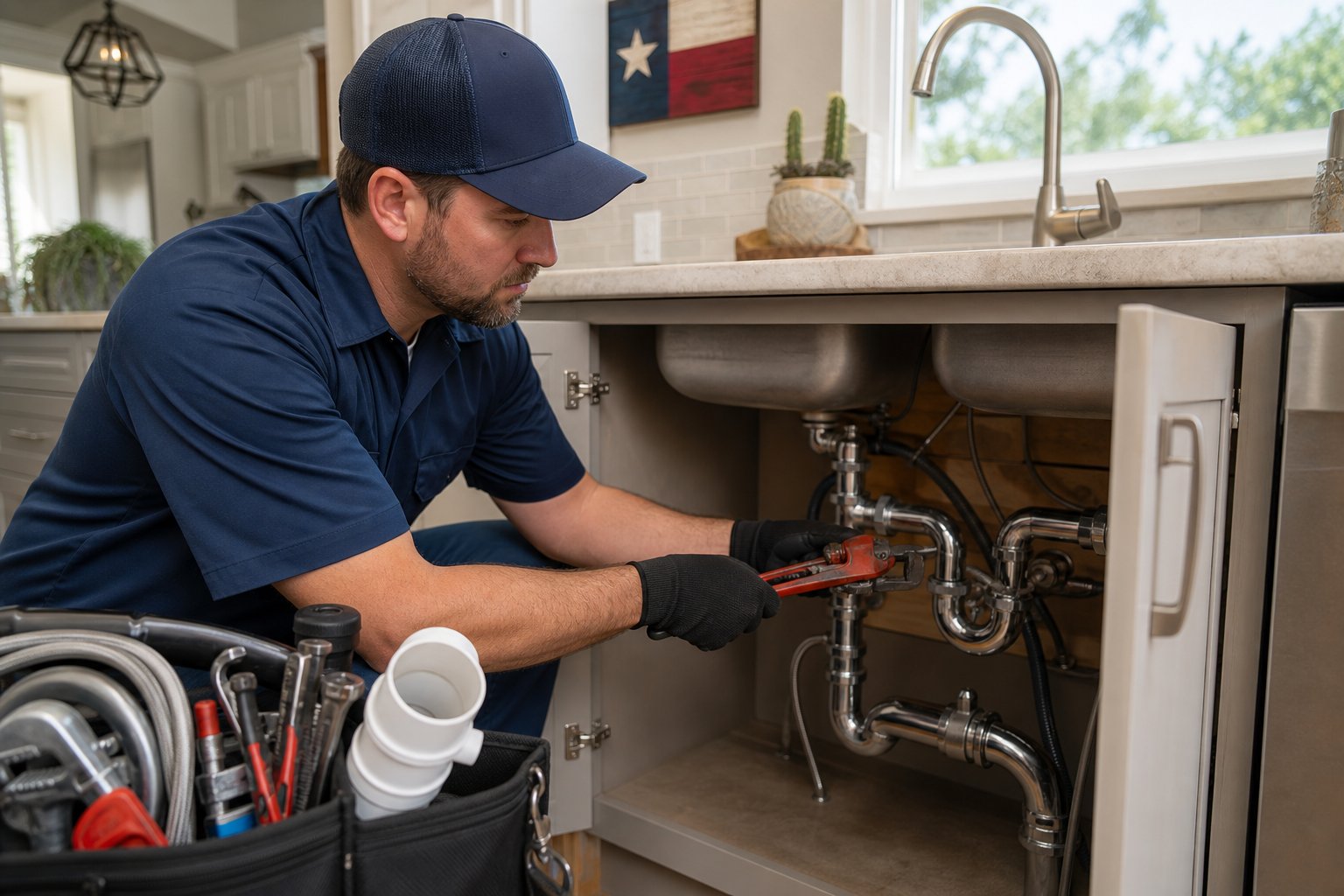
You get fast, local help for leaks, clogs, installations, and building-wide plumbing needs. Skilled technicians handle repairs, replacements, and planned work so your systems run safely and efficiently.
Residential Services Overview
You can schedule service for common home problems like toilet repair, slow drains, and water heater issues. Technicians inspect fixtures, perform drain repair with snake or hydro-jetting as needed, and replace worn valves or seals to stop recurring leaks.
For water heater installation or replacement, teams size the unit to your household demand. They offer tank and tankless options, install proper venting, and test temperature and pressure controls before they leave.
You get clear pricing and a written estimate up front. Licensed plumbers treat your home respectfully, protect floors, and clean up after work.
Emergency response is available from several local companies when a sudden leak or sewer backup threatens your property.
Commercial Plumbing Options
You can rely on a plumbing company experienced with restaurants, offices, retail, and light industrial sites. Commercial plumbing services include grease trap servicing, high-capacity drain repair, backflow prevention testing, and restroom fixture upgrades to meet ADA and code requirements.
Technicians plan around your business hours to limit downtime. They provide documentation for inspections, schedule preventative maintenance, and can install pressure-boosting systems or larger water heaters for high-demand needs.
For new tenant build-outs or ongoing facilities work, crews coordinate with property managers and general contractors. You receive written scope of work, timelines, and compliance checks to keep your business open and code-ready.
New Installations and Upgrades
When you choose new installations, the company assesses pipe layout, water demand, and code rules before quoting. Common projects include replacing old galvanized lines with PEX or copper, installing efficient water heaters, and upgrading whole-house shutoff valves.
Upgrades focus on efficiency and reliability. You can add tankless water heater systems, low-flow fixtures, and smart leak detectors that shut off water to prevent damage.
Proper venting, pressure regulation, and backflow devices get installed to protect your system. Work includes permits and inspections when required.
The plumbing service provides a written estimate, warranty information, and post-install testing so you know the job meets standards and performs as promised.
Emergency and Same-Day Assistance
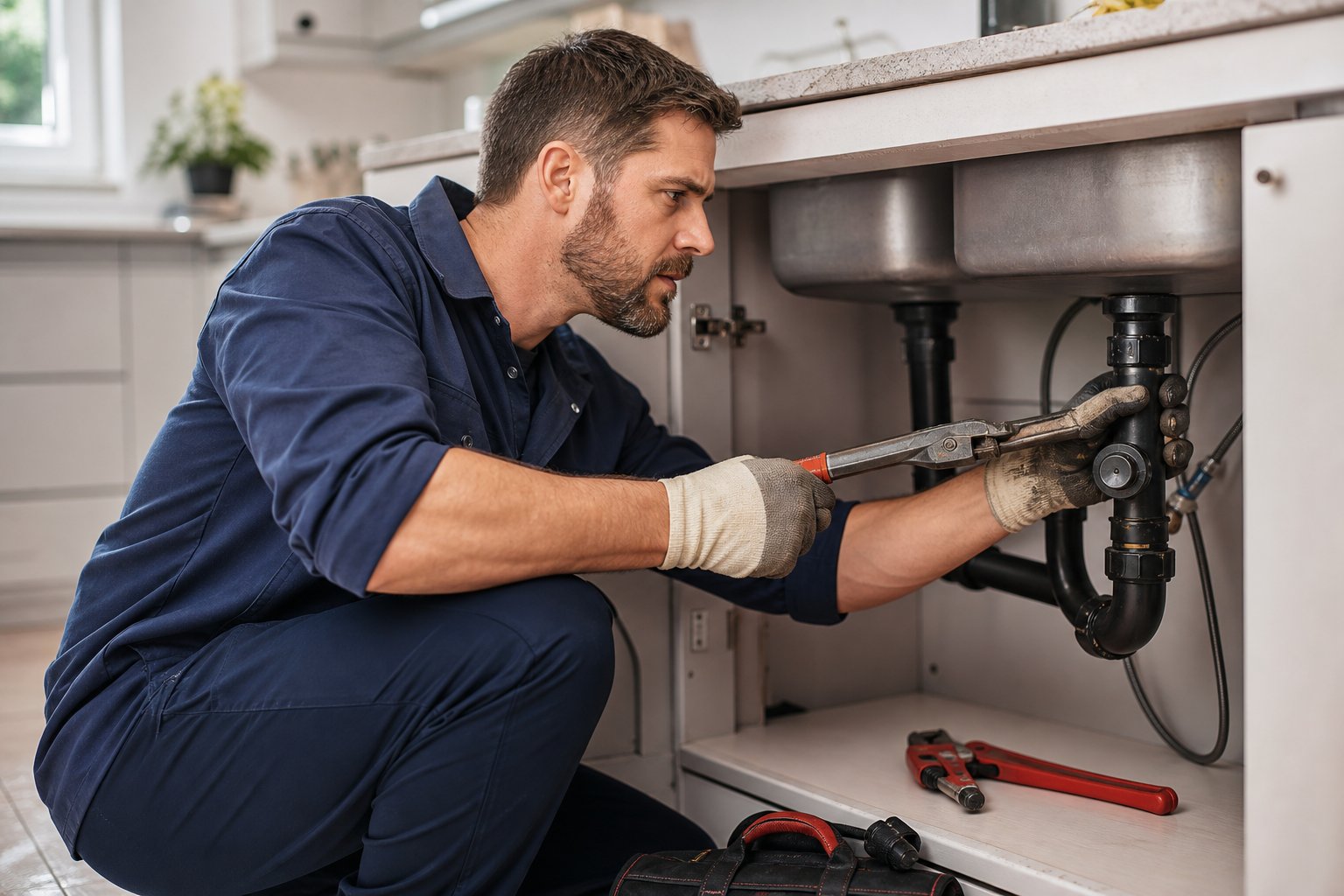
You can get fast help any time you discover a plumbing failure that risks damage or disrupts daily life. Expect licensed techs, quick containment, and clear pricing when you call for urgent work in North Richland Hills.
24/7 Emergency Plumbing Support
When a pipe bursts at night or a water heater fails on a holiday, call a 24/7 emergency plumbing team that answers immediately and dispatches a licensed North Richland Hills plumber. They should confirm arrival time, give an upfront service fee, and tell you which repairs they can do right away versus those that need parts.
On the phone, shut off your main water valve if you can. This limits damage and makes the first visit faster.
The crew will use pressure gauges and moisture meters to locate hidden leaks and will secure the scene with temporary fittings or a shutoff clamp until a permanent repair is scheduled.
Look for companies that offer the option to waive diagnostic or trip fees when they complete the job. For local listings and 24-hour contacts, check an emergency plumbing provider directory for North Richland Hills.
Rapid Leak and Pipe Repairs
For visible leaks or a slow drip that suddenly accelerates, technicians arrive with common parts: pipe repair clamps, couplings, replacement sections of PEX/CPVC, and soldering tools. They will first stop the leak, then inspect pipe condition to decide between a repair patch, a short replacement, or a section re-pipe.
If corrosion or multiple pinhole leaks show up, expect a recommendation for partial re-pipe to prevent repeat calls. For frozen or burst lines, crews will dry and thaw pipes safely, then replace damaged sections and test system pressure.
Ask for a written estimate that lists parts, labor, and warranty terms for leak repair and pipe work.
Urgent Drain and Sewer Resolution
When drains back up or sewage appears in a fixture, call immediately for sewer line repair or urgent drain service. Technicians use cameras to inspect main lines and locate blockages from tree roots, collapsed pipe, or heavy grease buildup.
A video inspection shows the exact cause before they cut or replace piping. For clogs near the trap, drain roots, or hardened scale, crews will use powered augers, hydro-jetting, or sectional pipe replacement.
Hydro-jetting clears grease and scale quickly but may reveal a damaged pipe that needs repair. If the camera shows root intrusion or pipe collapse, they’ll give options: trenchless pipe lining, sectional replacement, or full dig-and-replace, with timelines and cost differences explained up front.
For same-day sewer emergencies, confirm the company’s cleanup and sanitation process and whether they assist with insurance paperwork.
Specialized Repairs and Maintenance
You will learn how professionals find hidden leaks, fix toilets and fixtures, and set up simple maintenance tasks to prevent bigger problems. The steps below focus on practical actions you can expect when you call for plumbing service.
Leak Detection Techniques
Technicians use targeted methods to locate leaks quickly so repairs avoid unnecessary demolition. They often start with a pressure test on your main line and branch lines to see if pressure drops, which narrows the search to a specific section of pipe.
Plumbers then use electronic acoustic listening devices and gas tracer tests for hidden slab or wall leaks. Acoustic gear picks up running water sounds through concrete and studs.
Tracer gas (safe, non-toxic) flows into the pipe and escapes at the leak, revealing the exact spot. You can expect a camera inspection of sewer lines for drain or sewer leaks.
The camera shows roots, cracks, and offsets so the plumber can recommend repair vs. replacement. Ask the company to include a written estimate and photos when they finish the inspection.
Toilet and Fixture Repairs
Toilets commonly need seal, flange, or fill-valve repairs. If your toilet rocks, leaks at the base, or runs continuously, a plumber will check the flange, wax ring, and bolts first.
Replacing a worn wax ring or flange extension is a quick fix and restores a tight seal. Internal parts like flappers, fill valves, and flush valves wear out and cause running or weak flushes.
Technicians can replace these parts, adjust water level, and test flush performance on-site. For corroded or cracked porcelain, they will advise repair or full toilet replacement based on cost and longevity.
Fixture repairs cover faucets, shower valves, and hose bibs. Plumbers replace cartridges, washers, and seals, and they can swap out old fixtures for water-saving models.
Schedule service early when you notice dripping or low pressure to avoid larger water waste and higher bills.
Routine Plumbing Maintenance
Routine checks catch small issues before they become emergencies. A basic maintenance visit includes inspecting visible pipes, testing water pressure, checking shut-off valves, and clearing minor clogs in sinks and tubs.
For homes with older supply lines or frequent clogs, plumbers recommend annual drain cleaning and a camera check of main sewer lines every 2–3 years. They also suggest replacing old rubber supply lines and testing water heaters for leaks and proper temperature-pressure relief valve operation.
When you schedule service, ask for a maintenance checklist and a simple timeline for follow-up tasks. Keep receipts and photos from each visit so you can track recurring issues and prove warranty work if a repair fails.
Advanced Drain and Sewer Services
You get targeted repairs that stop recurring clogs, find hidden blockages, and fix damaged sewer lines with minimal guesswork. Technicians use high-pressure cleaning, video diagnostics, and multiple repair methods to match the problem and your budget.
Hydro Jetting for Clogs
Hydro jetting uses a high-pressure water stream to cut grease, scale, roots, and mineral buildup from pipe walls. A trained plumbing company feeds a hose into the affected line and blasts water at controlled pressures to clear obstructions without harsh chemicals.
You should expect technicians to inspect cleanouts first and protect fixtures during the process. Typical benefits include faster flow, fewer repeat clogs, and removal of soft root intrusions that snaking often misses.
Hydro jetting suits cast iron, PVC, and many municipal lines, but providers will avoid it on badly collapsed or thin-walled pipes to prevent damage. Ask your plumbing service about estimated pressure (psi) and whether they perform a follow-up camera inspection.
Camera Inspections for Blockages
A camera inspection sends a small, waterproof video head down the drain to show exact blockage location, pipe condition, and root entry points. Your plumber can record the footage and timestamp problem areas so you see the cause and get a clear repair plan.
This method saves time by avoiding exploratory digging and lets the plumbing company recommend hydro jetting, targeted repair, or full replacement based on real visuals. Camera reports commonly note pipe material, diameter, slope, and cracks.
You should request a copy of the video and a written assessment before approving sewer line repair or replacement.
Sewer Line Repair Options
After diagnostics, your plumbing service will outline repairs from least to most invasive: spot repairs, pipe lining (trenchless relining), and full excavation with replacement. Spot repairs fix small sections, such as a cracked joint or root cut, with minimal digging.
Trenchless relining inserts a resin-saturated liner that cures inside the pipe to create a new smooth host pipe — it reduces landscaping disruption and often costs less than full replacement. Full excavation becomes necessary for collapsed lines, severe offsets, or multiple failures.
Ask for cost estimates, warranty details, expected disruption, and whether the provider uses camera footage to confirm the repair’s success. Check that the plumbing company carries insurance and local permits for sewer line repair work.
Water Heater and Gas Line Expertise
You will get clear, practical help for installing, replacing, and keeping water heaters and gas lines safe and working. Focus stays on safety, code compliance, and fixing the exact problem fast.
Water Heater Installation and Replacement
You should pick the right size and fuel type for your home to avoid hot-water shortages and high energy bills. Tank heaters usually range from 30–80 gallons; measure your household’s peak hour use to match capacity.
If you plan to switch to tankless, expect lower standby losses but consider higher upfront cost and possible gas or electrical upgrades.
A proper install includes venting, pressure-relief valve placement, and a drain pan if the heater sits inside. Permits and local code checks matter in North Richland Hills; professionals pull permits and schedule inspections.
Ask for manufacturer warranty transfer and a clear written price that lists labor, disposal, and parts.
Gas Line Services for Homes and Businesses
You should expect licensed techs to handle gas piping, meter adjustments, and new appliance hookups. Work covers running new black iron or CSST lines, pressure testing, leak detection, and installation of shutoff valves at accessible locations.
Always verify technicians carry local licensing and liability insurance. For businesses, code requirements can be stricter: commercial gas appliances may need larger lines, regulators, or multiple shutoffs.
Request a written scope that lists materials, pipe diameters, and test pressures. If you smell gas, leave immediately, call 911, then contact your gas utility and a qualified plumber.
Troubleshooting Common System Issues
You should start with simple checks before calling for repairs: confirm the pilot light or power supply, look for tripped breakers, and inspect visible pipe joints for dampness. For water heaters, low hot-water volume can mean sediment build-up or a failing dip tube.
Fluctuating water temperature often points to a thermostat or heating element problem. Gas-line symptoms include rotten-egg odor, hissing sounds, or dead vegetation near buried lines.
Do not use electrical switches or phones inside the building if you suspect a leak. Professionals use electronic gas detectors, pressure decay tests, and video inspection tools for inland lines and slab penetrations.
Keep routine plumbing maintenance on your calendar—annual water heater flushing, inspection of relief valves, and gas-line pressure checks reduce emergency repairs and extend system life.
Frequently Asked Questions
This section gives clear cost ranges, how to spot unnecessary work, a specific plumbing rule, what to check in reviews, and which problems need same-day attention. Read each short answer to find practical steps you can use when hiring a plumber in North Richland Hills.
How much do plumbers typically charge per hour in Texas?
Most plumbers in Texas charge between $75 and $150 per hour. Higher rates often apply for licensed specialists or emergency calls.
Ask for the hourly rate in writing and whether it changes after a set number of hours. Confirm if travel time, truck fees, or minimum charges apply before work begins.
What is the average cost for a service call and diagnostic from a plumber?
A standard service call and diagnostic usually runs $50 to $150 in the area. Some companies waive the fee if you authorize the repair that day.
Get the diagnostic fee and any trip charge written on the estimate. Check whether that fee will be credited toward parts and labor.
How can I tell if a plumber is overcharging or recommending unnecessary repairs?
Compare at least two written estimates that list parts, labor time, and permit costs separately. Watch for vague line items like “miscellaneous” or large markups on parts.
Ask for photos of damage and a clear explanation of why each repair is needed. If a plumber pressures you to decide immediately or refuses a second opinion, be cautious.
What does the 135 rule in plumbing mean, and when does it apply?
The 135 rule limits horizontal run length for certain trap configurations to 135 degrees of combined bends and offsets before a vent is required. It helps prevent siphoning and dangerous drain slowdowns.
This rule applies when routing trap arms and offsets on fixtures where vents are not immediately available. If unsure, ask your licensed plumber to show how their layout meets local code.
What should I look for in reviews when choosing a reliable local plumbing company?
Look for recent reviews that mention punctuality, clear pricing, and whether the job area was cleaned after work. Multiple reviews that describe the same technician or consistent follow-up show reliability.
Check for mentions of warranty service and how the company handled problems after the job. Verify the company’s license and insurance if reviews are sparse.
Which plumbing repairs are considered emergencies and need same-day service?
Call immediately for burst pipes, active sewage backup, or major leaks causing floor or ceiling collapse. Complete loss of water to the home is also an emergency, as these issues risk health, safety, or major property damage.
Severe gas-scented problems from gas appliances also merit emergency action and a call to your gas company. Ask the plumber about emergency fees before they start work.