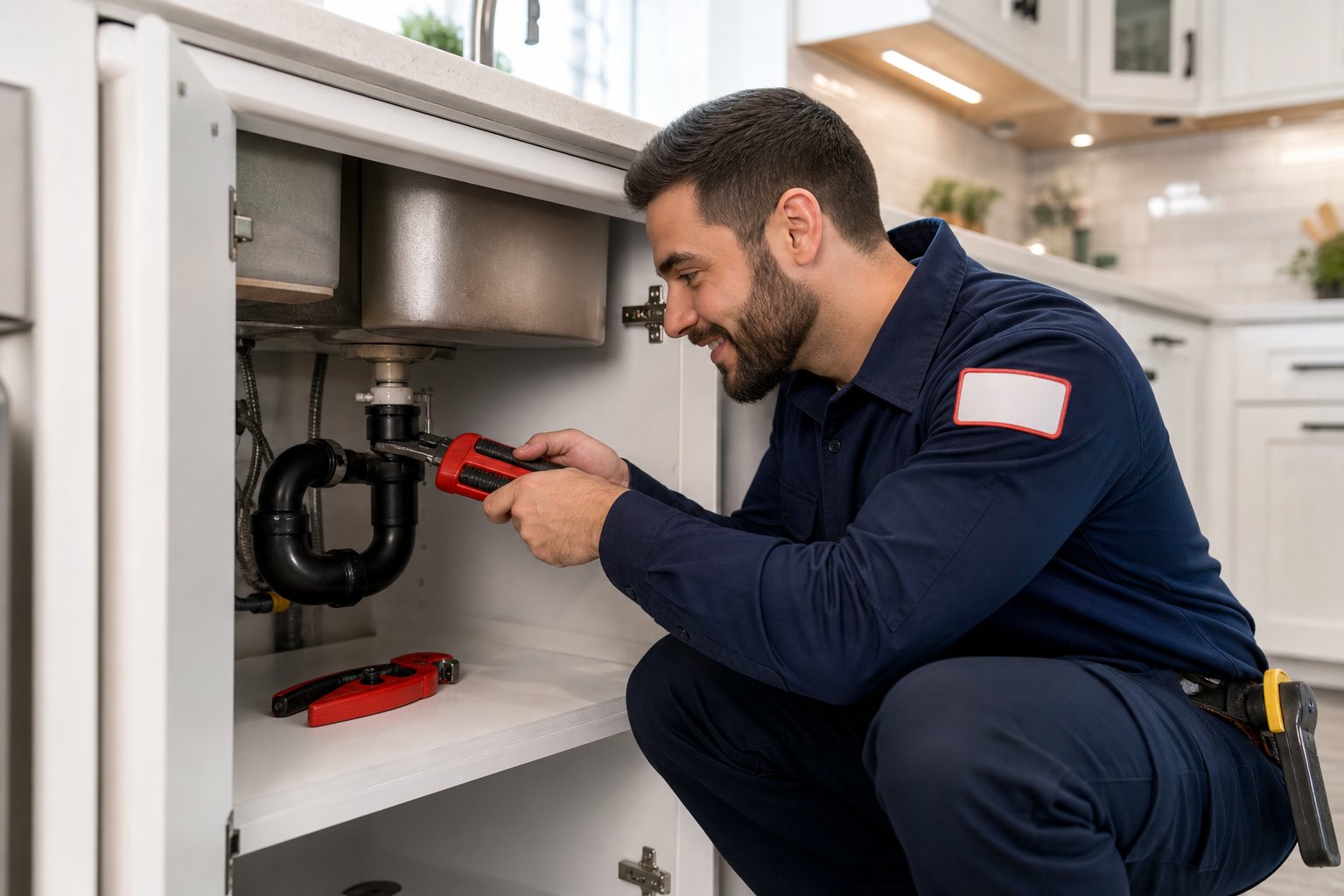
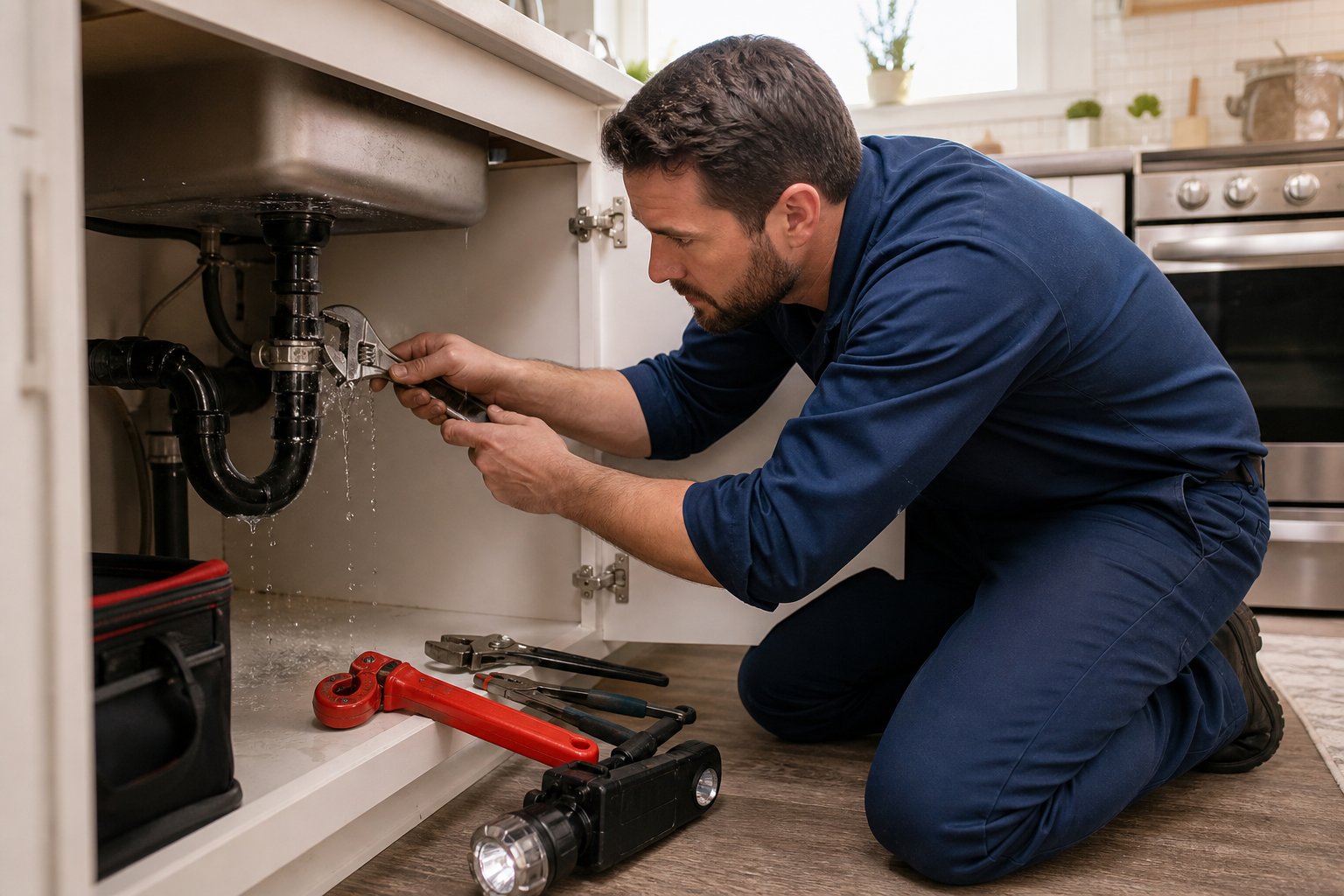
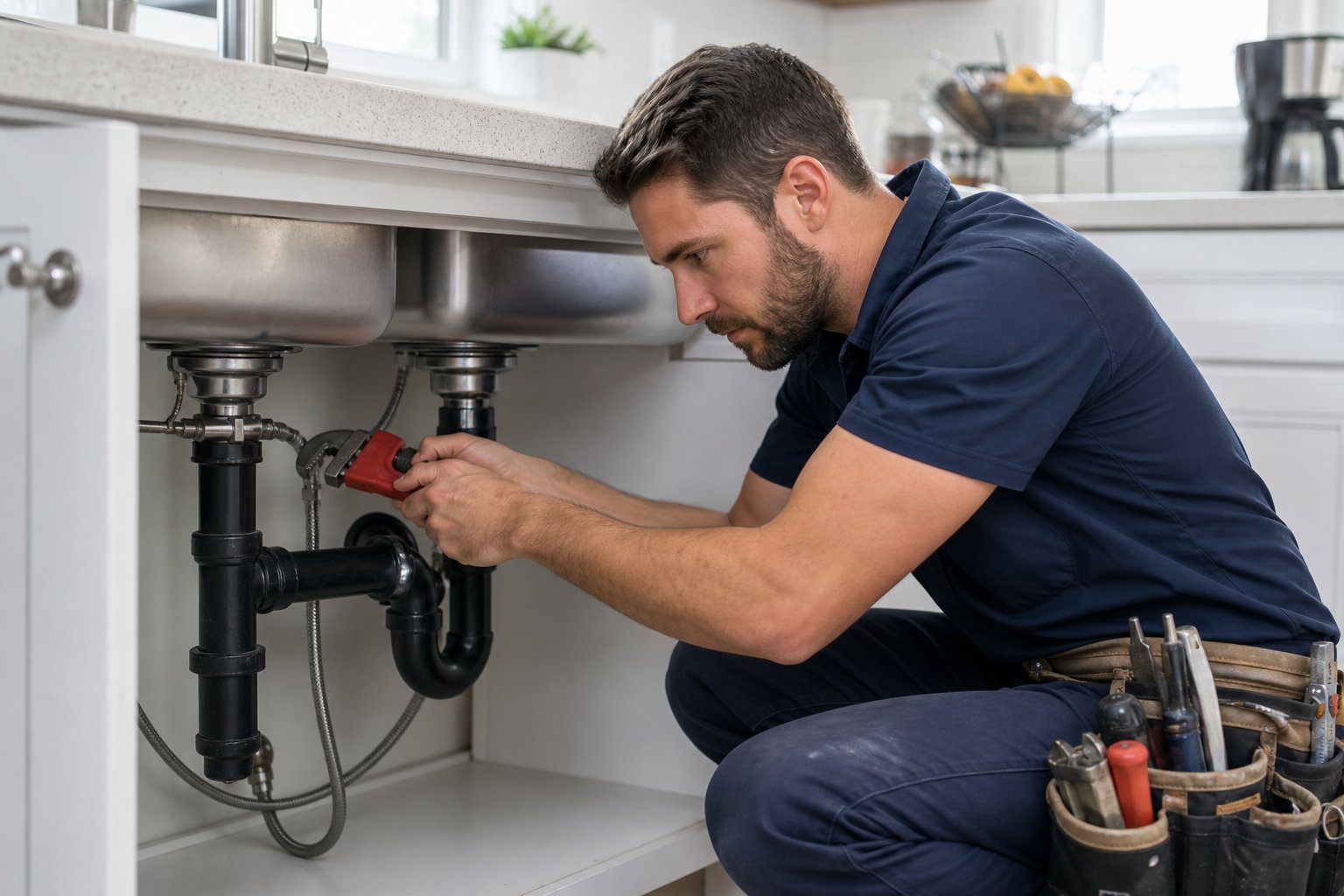
You want your Arlington HVAC fixed fast and without guesswork. Skilled local techs diagnose problems, give clear prices, and get systems running so you stay comfortable through Texas heat and winter chills.
If your AC or furnace fails, call a licensed Arlington pro who offers fast response, honest pricing, and the right repair the first time.
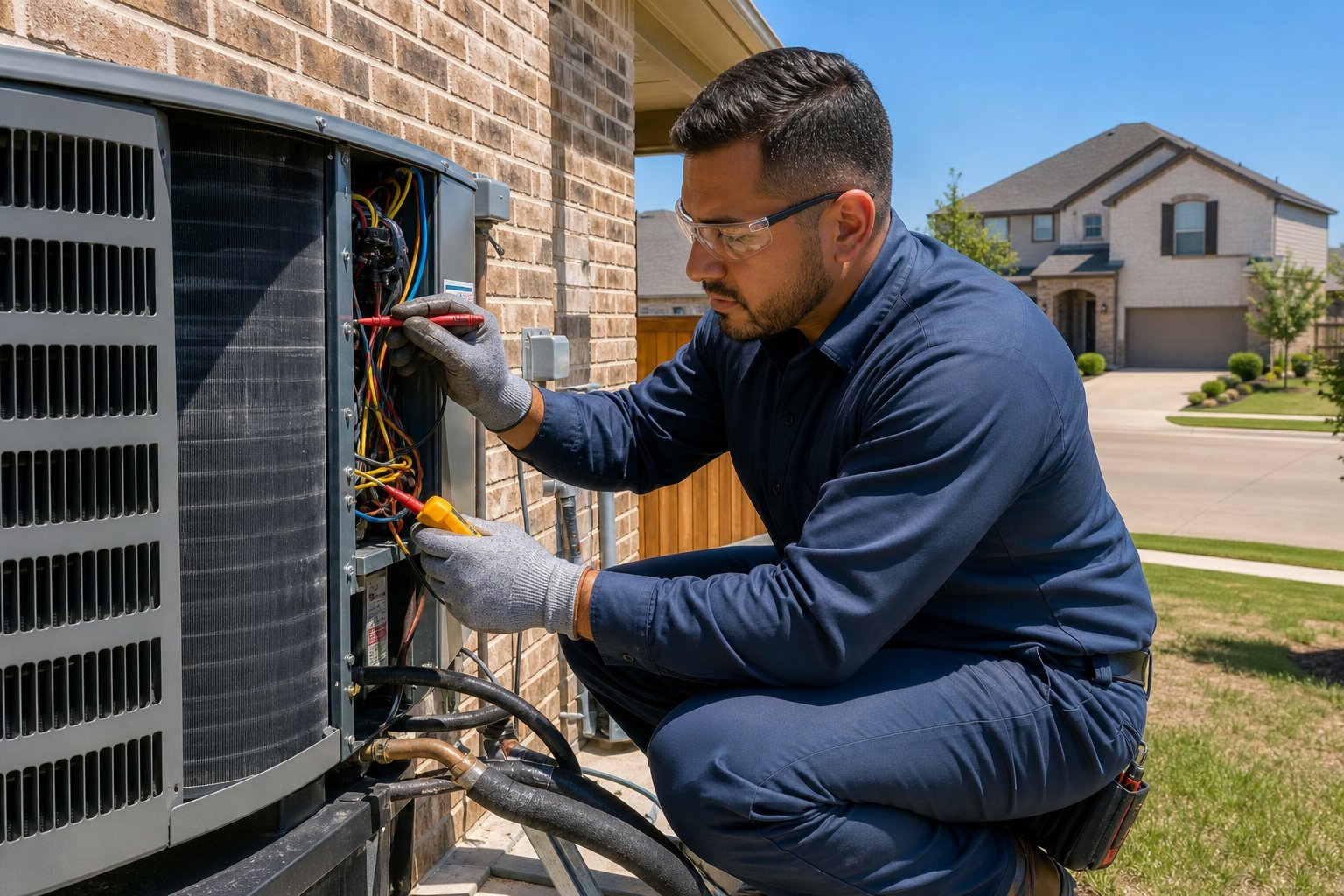
You also want to avoid surprise bills and repeated breakdowns. Regular tune-ups and proper ductwork keep your system efficient, lower energy costs, and improve indoor air.
Local companies know Arlington neighborhoods and can often provide same-day service when you need it most.
Key Takeaways
- Contact a licensed local technician for fast, reliable repairs.
- Schedule regular maintenance to extend system life and save energy.
- Proper duct and air-quality work prevents recurring problems.
Comprehensive AC and Heating System Repairs
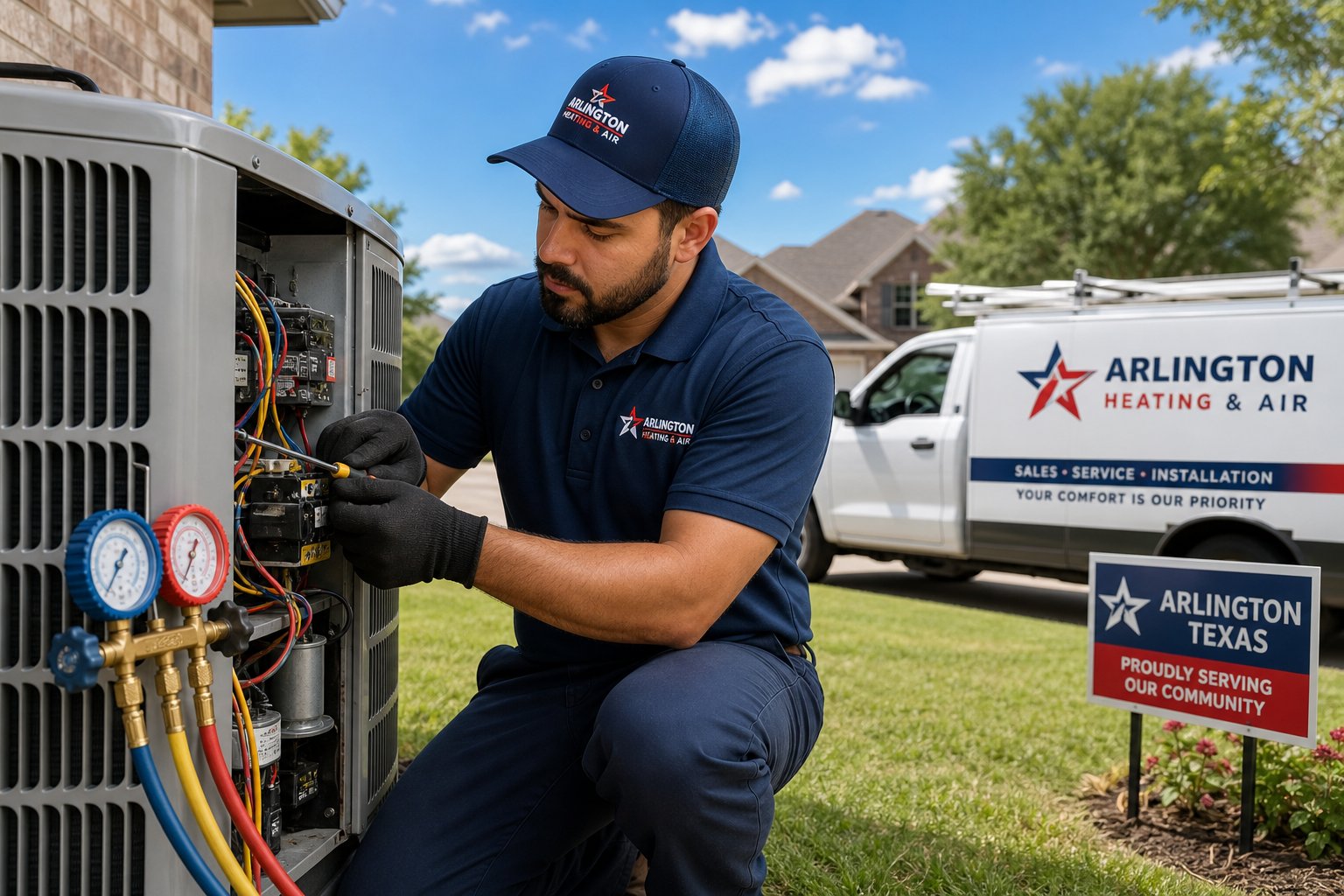
You get fast, clear fixes that stop leaks, restore airflow, and make your system run efficiently again. Technicians use hands-on checks, specific parts testing, and transparent pricing so you know what will be done and why.
Fast Diagnostics for Cooling and Heating Issues
A qualified HVAC technician starts with a checklist: thermostat settings, air filter condition, refrigerant pressure, and electrical connections. They use gauges and multimeters to measure pressures and voltages, and a combustion analyzer for gas furnaces.
This lets them find low refrigerant, bad capacitors, weak blower motors, or shorted control boards quickly. Expect a written problem summary and repair estimate before work begins.
If your unit shows ice buildup, the tech will check airflow and refrigerant levels. If the furnace won’t ignite, they’ll test the ignitor, gas valve, and safety switches.
Background-checked AC technicians explain the steps and let you approve parts or replacements.
Emergency Service Availability
You can call for emergency service when the house gets too hot or the heater fails overnight. Many Arlington teams offer same-day or 24/7 callbacks and will prioritize life-safety issues like no heat in winter or a gas smell.
They bring common parts—capacitors, contactors, expansion valves—to complete many repairs in one visit. When you schedule, ask if the company sends background-checked technicians and carries digital invoices.
Good customer service includes arrival windows, photo IDs, and a clear service call fee. If a full replacement is needed, the technician outlines options and provides a timeline for when the system will be restored.
Common Air Conditioning and Heating Problems
Frequent AC issues include refrigerant leaks, dirty coils, failed compressors, and clogged condensate drains. For heating, common failures are worn belts, failed ignitors, cracked heat exchangers, and failing control boards.
Technicians perform targeted repairs: patch or replace refrigerant lines, clean coils, swap motors, or replace faulty circuit boards. You can prevent many problems with seasonal AC maintenance and furnace tune-ups.
A tech will change filters, clean coils, check refrigerant charge, and lubricate moving parts. Good shops document each step and keep records you can use for warranty claims or future service.
If parts are unavailable, they explain temporary fixes and estimated wait times.
Preventive Maintenance for Lasting Performance
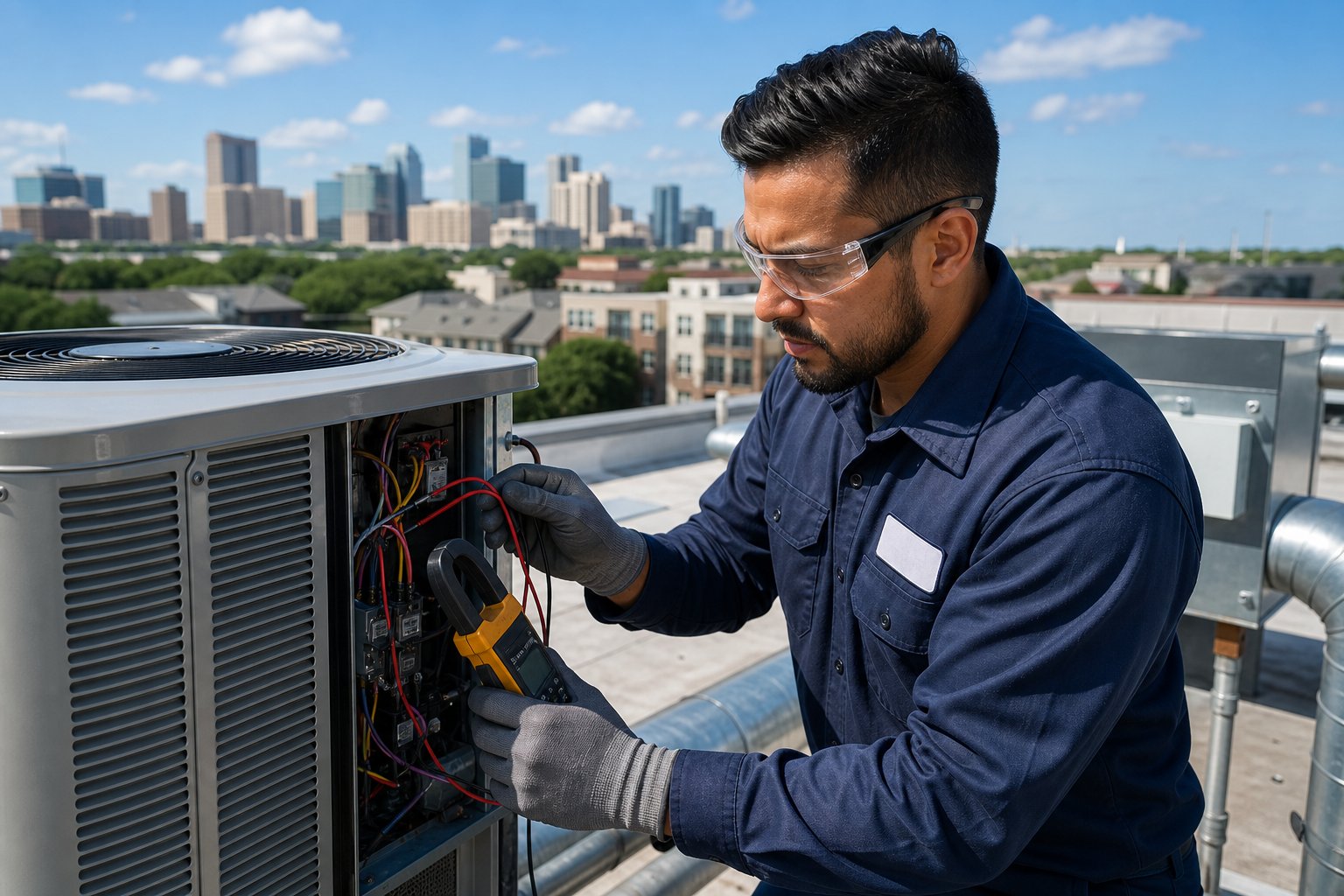
Regular care keeps your system efficient, lowers repair risk, and helps you avoid surprise breakdowns. You’ll learn which checks matter, what warning signs to watch, and how to pick a maintenance plan that fits your schedule and budget.
Benefits of Routine System Tune-Ups
Routine tune-ups help your AC and furnace run with less energy and fewer breakdowns. A technician inspects electrical connections, measures refrigerant charge, lubricates motors, and checks thermostat calibration.
These tasks reduce monthly energy use and often prevent a failed compressor or motor that can cost thousands to replace. A tune-up also includes changing or inspecting air filters and, when needed, recommending duct cleaning to remove dust and debris.
Cleaner ducts improve airflow and reduce strain on the blower motor. Certified HVAC technicians use manufacturer checklists so your warranty stays valid and parts wear more evenly.
Many local companies offer seasonal tune-ups that align with peak cooling and heating needs, making scheduling easier.
Signs Your HVAC Needs Maintenance
If your system cycles more than usual, that’s a clear sign of trouble. Short cycling, uneven room temperatures, or weak airflow point to clogged filters, duct leaks, or failing blower motors.
You may also hear grinding, rattling, or unusual hissing—signals an AC technician should inspect electrical components and fan bearings. Rising energy bills without a change in use often mean the system lost efficiency.
Frequent compressor starts, frozen evaporator coils, or warm air from vents when cooling should run indicate refrigerant or airflow issues. If you smell mildew or notice excessive dust, consider duct cleaning and a full HVAC inspection to protect indoor air quality.
Schedule service if your system is older than 10 years and shows any of these signs. Early checks catch small issues—like a worn capacitor or loose belt—before they become emergency repairs.
Maintenance Plans and Scheduling
Choose a plan that covers two seasonal visits: one for cooling and one for heating. Look for plans that include filter checks, coil cleaning, safety inspections, and priority service.
An Optimum Performance–style plan often bundles discounts on repairs and priority scheduling, which reduces wait time during heat waves. Ask if the plan documents completed tasks and parts checked.
Good plans provide reminder calls or emails and let you book online. Verify whether the plan requires certified HVAC technicians and whether labor warranties or flat-rate pricing apply.
If you prefer pay-per-service, schedule tune-ups at least once a year for mild climates and twice a year in Arlington’s hot summers. Match visits to before peak seasons: late spring for AC and early fall for heating.
Ductwork and Air Quality Solutions
You need ducts that move air efficiently and keep dust, pollen, and mold out of your home. Fixing leaks, cleaning vents, and improving filtration will lower bills and make breathing easier.
Professional Duct Cleaning and Repair
You should hire an experienced HVAC technician to inspect your ductwork for leaks, loose connections, and torn insulation. A pro will use brushes, high‑powered vacuums, and video inspection tools to remove dust, pet hair, and debris without spreading it through your home.
Expect technicians to hand‑wipe vent covers and seal return registers after cleaning to prevent recontamination. Ask for a written list of repairs and a before‑and‑after photo or video so you can see the work.
Common repairs include sealing joints with mastic or metal tape and replacing damaged flexible ducts. These fixes restore airflow, reduce hot and cold spots, and help your system run less often.
Good customer service means clear estimates, scheduled arrival windows, and explanations of why each repair matters.
Improving Indoor Air Quality
Improve air quality by combining regular duct cleaning with upgraded filtration and targeted treatments. Install a higher‑MERV filter compatible with your system to capture smaller particles like pollen and pet dander.
Change filters on a set schedule—typically every 90 days, or more often if you have pets or allergies. Consider add‑on options like UV lights to inhibit mold growth in the coil area and whole‑home air purifiers for volatile organic compound (VOC) reduction.
Have your HVAC technician test for pressure imbalances and verify that fresh‑air intake and exhaust work correctly. Keep vents unobstructed and schedule routine maintenance so you get consistent performance and faster response when issues arise.
Clear communication from the service team about costs and expected outcomes protects your investment and indoor health. Helpful local pros that offer duct cleaning and related services include companies that handle inspection, sealing, and IAQ upgrades; you can review options like those listed by ESG Indoor Air Quality and Texas Air Authorities.
Choosing the Right HVAC Professional
You want a technician who shows up on time, explains work in plain language, and stands behind repairs. Focus on clear licensing, verified backgrounds, and written guarantees so you know what to expect and avoid surprise charges.
Licensing and Background-Checked Technicians
Check that the company and the HVAC technician who will work at your home hold a Texas HVAC license. Ask for the license number and verify it with the Texas online licensing lookup before scheduling service.
This confirms they met state training and testing requirements. Ask the company whether its technicians are background-checked and insured.
Background checks reduce the risk of theft or unsafe behavior in your home. Confirm the policy covers workers’ compensation and general liability so you won’t be financially responsible if a tech is injured or equipment is damaged.
Request the name of the specific technician assigned to your job. A reputable provider will give a short bio or photo and explain their experience with your system brand.
If you prefer brand-certified techs (for example, Trane, Carrier, or Lennox), request that upfront and get it in writing.
Customer Satisfaction and Service Guarantees
Read recent online reviews and look for patterns about punctuality, communication, and whether billing matched the written estimate. Pay attention to comments that mention courteous customer service or repeat calls for the same problem—those reveal reliability and post-repair support.
Ask for written estimates and a clear, itemized invoice. A good company gives a date and time window, explains parts versus labor costs, and lists warranty terms.
Get any service guarantee in writing, including how long repairs are covered and whether they return for follow-up service at no charge. Choose a provider that offers a satisfaction or workmanship guarantee and a clear process for filing complaints.
That promise shows the company will fix issues without forcing you to pay extra. If they won’t put guarantees in writing, consider another contractor.
Local Service Advantages for Arlington Residents
Local HVAC teams give you quicker fixes, clearer pricing, and better follow-up. You get technicians who know Arlington’s heat patterns, can handle routine AC maintenance, and offer timely heating repair when needed.
Fast Response and Emergency Coverage
When your AC fails on a hot Arlington afternoon, a nearby crew can be at your door faster. Local companies keep trucks stocked with common replacement parts so techs can often complete repairs in one visit.
You should expect same-day or next-business-day appointments for non-emergencies, and true emergency dispatch within hours for total breakdowns. Customer service matters here: local offices typically use direct phone lines and local dispatchers, so you talk to someone who understands your neighborhood.
Ask if the company publishes estimated arrival windows and emergency response times. Also check whether technicians are NATE-certified and trained in both AC maintenance and heating repair for year-round service.
Warranty and Financing Options
Local firms commonly back work with written warranties on parts and labor. You should get the length and coverage in writing—look for separate terms for compressor, coil, and labor.
Warranties from local shops often include faster claim handling because they perform the warranty work themselves rather than routing you to a distant dealer. If cost is a concern, ask about financing plans that spread payments over months with clear interest terms.
Many Arlington HVAC companies offer promotional financing for new system installs after AC maintenance or diagnostic fees. Confirm whether financing applies to both replacement and heating repair, and whether pre-approval affects scheduling.
Frequently Asked Questions
This section gives clear answers about costs, emergency service, common AC failures, repair vs. replacement, a simple cost rule you can use, and reliable AC brands for Arlington’s heat.
Read each short answer to decide your next step and know what to expect from local technicians.
How much does an average HVAC repair cost in Arlington, TX?
Minor repairs like capacitor or relay replacement usually run between $150 and $450.
Larger jobs such as compressor or coil replacement can range into the thousands depending on parts and labor.
Technicians should give you a flat-rate or written estimate before work begins.
Ask for itemized pricing so you can compare parts, labor, and warranty details.
Do you offer 24-hour emergency HVAC service for nights and weekends?
Many Arlington HVAC companies advertise 24/7 emergency service and same-day response during heat waves.
See examples of providers that offer rapid response and emergency crews in Arlington, TX.
Confirm response time, after-hours fees, and whether the techs carry common parts for immediate repairs when you call.
What are the most common reasons an air conditioner stops blowing cold air?
Dirty air filters and blocked condensers reduce airflow and cooling fast.
Low refrigerant from a leak, a failed compressor, or a broken fan motor also stop cooling.
A trained tech will check filters, airflow, refrigerant pressure, electrical connections, and the outdoor unit to find the exact cause.
How do I know whether I should repair my HVAC system or replace it?
If the system is under 10 years old and the repair is minor, repair often makes sense.
If the unit is older than 10–15 years, needs frequent repairs, or uses outdated refrigerant, replacement may be wiser.
Compare the repair cost, the system’s efficiency (SEER rating), and expected remaining life.
Also factor in energy savings from a new, high-efficiency system.
What is the $5,000 rule for deciding between HVAC repair and replacement?
The $5,000 rule says: if repair cost plus your system’s age and remaining life suggest you’ll spend $5,000 or more over the next few years, replace it.
Use this rule to weigh long-term repair bills, energy costs, and the price of a new system.
Ask your contractor to estimate expected future repairs and energy savings so you can apply the rule to your specific case.
Which AC brands are considered the most reliable for Texas heat?
Brands with strong track records for heavy use and high heat include Trane, Carrier, and Lennox.
Look for units with high SEER2 ratings and robust compressors.
Local dealer support for service and parts is important.
Compare warranty coverage and local installer reviews.
Check which brands nearby technicians commonly service to pick a reliable unit for Arlington.