Replacing your HVAC in Arlington, TX can feel overwhelming. You can make smart choices that cut costs and keep your home comfortable year-round.
Choose a correctly sized, energy-efficient system and professional installation to avoid frequent breakdowns and high utility bills.
You’ll learn when a replacement makes sense and what features matter for Texas heat. Learn how to compare local contractors so your project stays on budget and on schedule.
Use practical criteria—efficiency ratings, warranty terms, and installer reputation—to find the right fit for your home.
Key Takeaways
- Watch for rising repair frequency and poor cooling performance as signs you need a new system.
- Prioritize energy efficiency and correct sizing to lower bills and improve comfort.
- Hire licensed professionals and confirm warranties to protect your investment.
When to Consider HVAC System Replacement
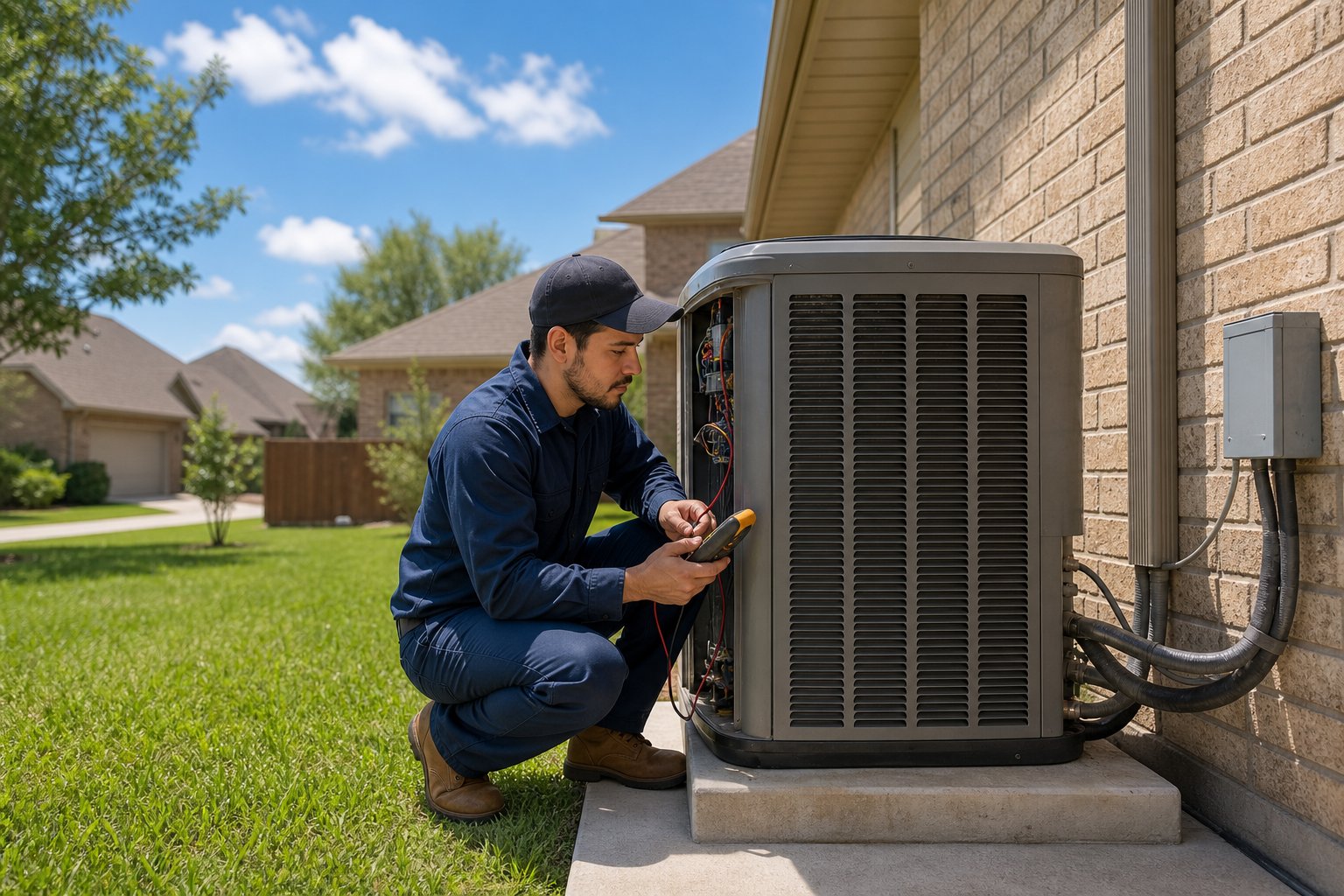
You should weigh age, repair history, energy cost, and comfort. Think about how often your system breaks, how much each fix costs, and whether you still get even cooling or heating.
Common Signs Your HVAC Needs Replacing
- System age over 12–15 years. Older units lose efficiency and parts become scarce.
- If your unit was installed before 2014 and runs a lot each year, replacement often saves money long-term.
- Frequent breakdowns. If you call for AC repair more than twice a year, expect rising costs and more downtime.
- Repair cost hits 50% of a new system. When a single repair or a cluster of fixes approaches half the price of a comparable new unit, replacing usually makes sense.
- Rising energy bills. A noticeable jump in monthly bills despite steady use points to declining efficiency.
- Uneven cooling or weak airflow. Rooms that stay hot or cold, or vents with low air, can mean failing compressors, fans, or duct issues that are expensive to fix.
Check the unit’s model plate for installation year and keep receipts for past repairs. That helps you and your HVAC technician decide between more AC repair or a new system.
Risks of Delaying Replacement
Delaying can cost you more in the long run. Repeated AC repair bills add up and unexpected breakdowns often happen during peak summer when emergency calls cost more.
Older systems can fail during heat waves, leaving you without cooling. That increases risk for pets, children, and elderly household members.
Worn systems also use more energy, which raises monthly utility bills. Poorly performing units can let humidity stay high, causing mold or damage to wood floors and furniture.
Finally, antiquated systems may lack modern safety features and could pose electrical or refrigerant hazards. Scheduling replacement on your timetable avoids rush premiums and gives you time to compare efficiency ratings and financing offers.
Assessing Repair vs. Replacement
Start by totaling recent repair costs and adding likely fixes over the next 24 months. If that total approaches half the price of a new comparable system, replacement is usually smarter.
Ask your technician for a written estimate showing immediate repair cost, likely follow-up repairs, and expected remaining lifespan after the repair. Compare that to a replacement quote with estimated annual energy savings.
Factor in rebates or financing deals that lower upfront cost. In Arlington, local rebates and 0% financing offers can tilt the decision toward replacement.
Also consider maintenance history. Well-maintained systems may justify larger repairs.
Neglected units often need replacement sooner. Prioritize comfort needs: if you need reliable cooling every day, replacement may be the only way to assure it.
Choosing the Right HVAC System for Arlington Homes
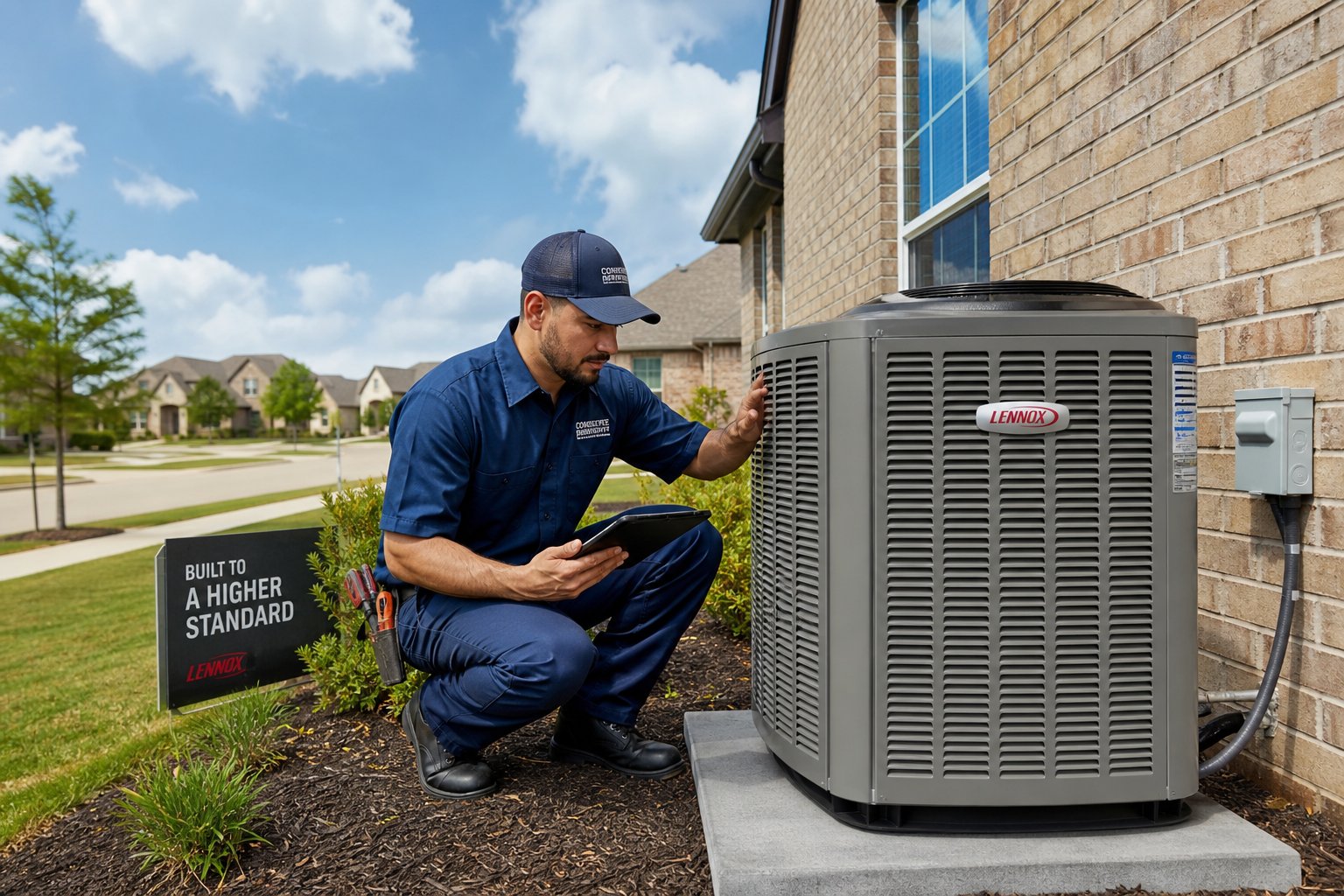
You need a system sized for your actual home and a type that handles hot, humid summers. Choose reliable brands that offer local service and rebates.
Focus on correct capacity, good humidity control, and equipment with strong local support.
Evaluating Home Size and Energy Needs
Measure your home’s conditioned square footage and note ceiling height, insulation, and window orientation. A Manual J load calculation gives the right capacity in tons; avoid guesses.
Oversized units short-cycle, raise bills, and worsen humidity control in Arlington’s hot summers. Check your past electric bills to estimate cooling load and peak usage months.
Look for systems with higher SEER ratings to cut summer costs. Also inspect ducts for leaks and insulation; sealed ducts improve efficiency and reduce the size of equipment you need.
Ask a licensed TACLA contractor to run the load calc and show you the numbers. Get written estimates that list capacity (tons), SEER, and expected energy use so you can compare apples to apples.
Types of HVAC Systems Available
Central split systems are common: an outdoor condenser and indoor air handler with ducts. They work well for whole-house cooling if your ducts are in good shape.
For homes without ducts, consider a ductless mini-split that offers zone control and high efficiency. Heat pumps provide both cooling and heating with good efficiency for North Texas.
Look for inverter-driven variable-speed compressors; they run longer at low speed and control humidity better than single-stage units. Two-stage air conditioners are another option for improved comfort and dehumidification.
If you use gas furnaces for winter heat, match them with a high-efficiency outdoor AC and consider adding a whole-home dehumidifier. Compare installation complexity and long-term running costs when choosing system type.
Selecting Trusted Brands and Models
Prioritize brands with strong local dealer networks and proven warranty support. Brands commonly used in Arlington include mainstream manufacturers with certified local installers who know Oncor rebate programs and TACLA licensing requirements.
Confirm dealers show load calculations and provide maintenance plans. Look for ENERGY STAR-rated models with SEER 16 or higher for long cooling seasons.
Check model features: variable-speed blower, two-stage or inverter compressors, and smart thermostat compatibility. Ask dealers for references and recent local installs, and verify they offer emergency service and proper installation guarantees.
Professional Installation Process Explained
The installation team will evaluate your home, pick the right equipment, install it safely, and confirm the system runs to the manufacturer’s specs. You should expect clear steps, documented settings, and checks that protect comfort, safety, and efficiency.
Importance of Proper Sizing and Load Calculations
You get a load calculation so the new system matches your home’s real heat gain and loss. Technicians use measurements of wall area, window types, insulation levels, ceiling heights, and occupancy patterns.
They enter these values into a Manual J or similar tool to determine required capacity in tons or BTU. Correct sizing prevents short cycling, humidity problems, and wasted energy.
Oversized units cool too fast and leave the house humid. Undersized units run all day and fail during peak heat.
If you recently added living space, replaced windows, or changed insulation, tell the installer. They will re-check duct size and airflow needs too.
You should receive a copy of the final load report and the chosen equipment specs before work begins.
Step-by-Step Installation Overview
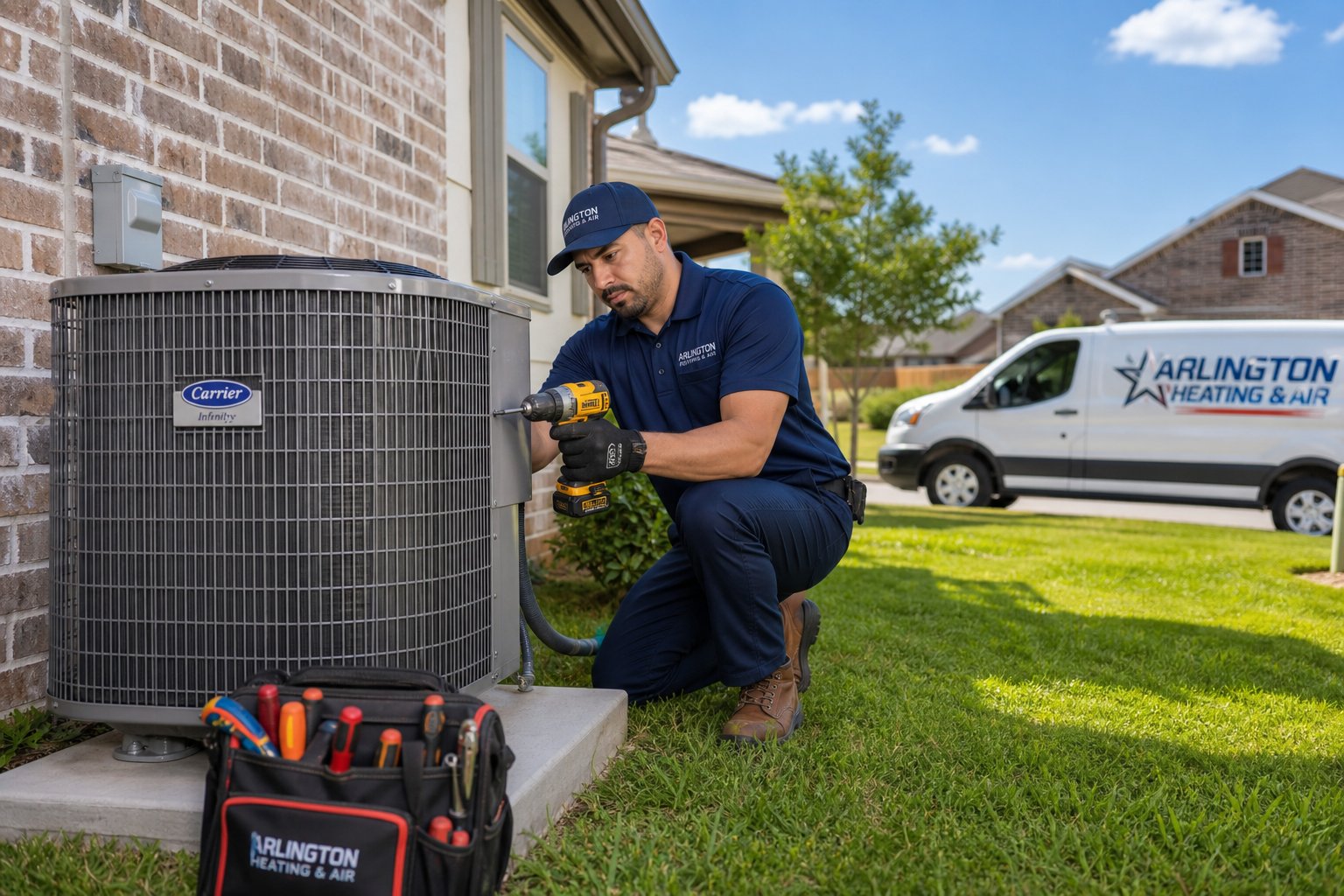
You will see a clear sequence: removal of the old unit, preparation of the pad or platform, duct and electrical adjustments, refrigerant line routing, and indoor unit placement. Technicians isolate power, remove the old system safely, and dispose of refrigerant per regulations.
During duct work they seal leaks, add returns or boost grille sizes if needed, and verify static pressure targets. Electricians confirm breaker sizing and install disconnects.
For heat pumps or split systems, they run properly insulated refrigerant lines and vacuum the lines before charging. You should get a written work scope and timeline.
Ask for model numbers, SEER/HSPF ratings, and warranty details. Keep communication open so installers can address access or clearance issues that might slow the job.
System Testing and Quality Checks
After startup, technicians verify airflow, refrigerant charge, and electrical draw with gauges and meters. They measure supply and return temperatures to calculate delta-T.
You should see balanced airflow and no unusual vibration or noise. They test safety controls: limit switches, pressure switches, and condensation drains.
For gas furnaces they check flame pattern, combustion venting, and carbon-monoxide clearance. For systems with smart thermostats, technicians confirm wiring and program schedules.
You will receive commissioning documentation showing measured airflow, refrigerant pressures, electrical readings, and thermostat settings. Keep that paperwork for warranty claims and future service.
Cost Factors and Financing Options
You will find typical price ranges, the main reasons costs vary, and common local financing or rebate options. This helps you plan a realistic budget and pick the best payment path.
Average Pricing for HVAC System Replacement
Expect most full system replacements in Arlington to fall between about $6,500 and $14,500 for a typical single-family home. Smaller homes or simple 1:1 unit swaps often land near the low end, while larger homes, two-system installs, or high-efficiency equipment push toward the high end.
Typical line items:
- Equipment (compressor, coil, air handler): largest share of cost.
- Labor and permit fees: vary by job complexity and local code.
- Ductwork, electrical upgrades, and disposal: add $500–$3,000 when needed.
A common mid-range project for a 2,000 sq ft home usually runs near $9,000–$10,000. Getting at least three written bids and a Manual J load calc will give you a precise number.
What Influences Replacement Costs
System size and efficiency rating matter most. Higher SEER or variable-speed models cost more up front but lower your energy bills.
For example, 16–18 SEER units typically cost more than basic 13 SEER models. Installation complexity affects labor time.
Factors that raise costs:
- Duct repairs or full replacement.
- Need for electrical panel or gas-line work.
- Two-story or hard-to-access units that need crane or lift.
- Local permits and inspection fees.
Brand, warranty length, and contractor workmanship also change price. Ask for equipment specs, warranty terms, and a written scope that lists included tasks so you avoid surprise add-ons.
Financing and Special Offers in Arlington
You can combine federal tax credits, utility rebates, and contractor or manufacturer promotions to reduce your net cost. Check federal heat pump tax credits and local utility rebates like those from Oncor for eligible systems.
Those programs change, so confirm current amounts before signing. Financing options include:
- HVAC company plans: often offer 0% for a promotional period with approved credit.
- Personal loans: fixed monthly payments, quick funding.
- Home equity lines or loans: lower interest for larger projects.
Some contractors provide online calculators and in-house financing quotes during estimates. Always compare APR, loan term, total interest, and any prepayment penalties before you agree.
For rebate details and typical Arlington rebate amounts, review local guidance like the Arlington HVAC systems guide.
Aftercare: Maintenance, Warranties, and Support
You will need routine tune-ups, clear warranty terms, and reliable emergency help to keep your new HVAC running well. These steps cut repair costs, keep efficiency high, and protect your investment.
Setting Up Seasonal Maintenance Plans
Set a maintenance plan that covers spring AC start-up and fall heating checks. Ask for a written checklist that includes refrigerant level, filter change, blower motor inspection, thermostat calibration, and condensate drain cleaning.
Choose a plan that offers at least two visits per year. Confirm whether labor and small parts (filters, belts) are included or billed separately.
Get a discounted rate for priority scheduling and diagnostic fees waived for members. Keep records of each service visit.
A simple log with date, technician name, and work done helps with warranty claims and resale value. If you need AC repair, the plan should give you a faster dispatch and lower hourly diagnostic charges.
Understanding Labor and Equipment Warranties
Read both manufacturer and contractor warranties closely. Manufacturer warranties usually cover major components like compressors for 5–10 years, but may require professional installation and annual maintenance to stay valid.
Contractor warranties commonly cover labor for 1–2 years and may offer extended labor plans. Ask if the contractor will honor warranty work even if they subcontract the installation.
Get warranty length, what is excluded, and any pro-rated terms in writing. Keep invoices, install permits, and the maintenance log.
Those documents prove you met warranty conditions. If a claim is needed, call the contractor first and have serial numbers ready.
If issues persist, you can contact the manufacturer with the same documentation.
Emergency Service and Long-Term Support
Confirm 24/7 emergency availability and typical response times before you sign. Ask whether emergency calls incur flat fees and if techs carry common replacement parts like capacitors and contactors to avoid repeat trips.
Check if the contractor offers priority service for maintenance-plan members. Priority service should include faster appointments, waived after-hours surcharges, or discounted emergency rates.
Verify whether they provide seasonal reminders by text or email. Plan for long-term needs like system upgrades and ductwork checks.
A reliable contractor will perform annual load checks and advise when replacement parts or a full system swap makes more sense than repeated AC repair. Save contact info and keep copies of all agreements for future reference.
Frequently Asked Questions
This section answers common cost, timing, and decision questions you’ll face when replacing HVAC in Arlington, TX. Expect specific price ranges, the biggest cost drivers, simple rules of thumb, and realistic timelines for emergency replacements.
How much does it cost to replace an HVAC system in Texas?
A typical full system replacement for a 1,800–2,200 sq ft home in North Texas runs about $6,000 to $12,000. Higher-efficiency units, complex ductwork, or heat pump installations can push costs above $12,000.
Local rebates and tax credits can lower out-of-pocket costs. Check utility programs and federal incentives before you buy to capture savings.
See a local guide on typical Arlington HVAC costs and rebates for current numbers: Arlington HVAC systems guide.
What factors most affect the total price of a full HVAC system replacement?
Equipment efficiency (SEER rating), brand, and type (split system vs. heat pump) change the base price. Higher SEER and variable-speed compressors cost more up front but save energy over time.
Ductwork condition, needed repairs, and replacement complexity add labor and materials. Large or leaky ducts, asbestos removal, or custom sheet metal raise the bill.
Installation labor rates, permit fees, and local inspection requirements also affect cost. In Arlington, you may need permits that range in cost; verify local permit rules before scheduling work.
What is the $5,000 rule for deciding between HVAC repair and replacement?
If the repair cost approaches or exceeds $5,000, you should lean toward replacement. Spending that much on a single repair often means the system is near the end of its useful life.
Also weigh the age and efficiency of the unit. If a repair is costly and the system is older than 10–15 years, replacement usually gives better long-term value.
What is the 20 rule for HVAC systems, and how should it guide replacement timing?
The 20 rule says that when an HVAC unit reaches about 20 years old, plan to replace it. Performance, reliability, and parts availability decline sharply by this age.
If your system is near 20 years, budget and schedule replacement before a major failure creates an emergency.
Is it worth repairing an air conditioner that is around 20 years old?
Usually no. At ~20 years, even repaired units run less efficiently and need more frequent repairs.
Only consider repair if the fault is minor, repair cost is low, and you plan to replace the unit within a year.
How quickly can an HVAC system be replaced in an emergency, including after hours?
Same-day or next-day emergency replacements are possible if parts and compatible equipment are in stock. A licensed crew must also be available.
Call by midday for better same-day chances with many local companies. After-hours replacements can be done but often cost more for overtime labor and expedited parts.
Verify availability and any extra fees when you contact local Arlington HVAC contractors.