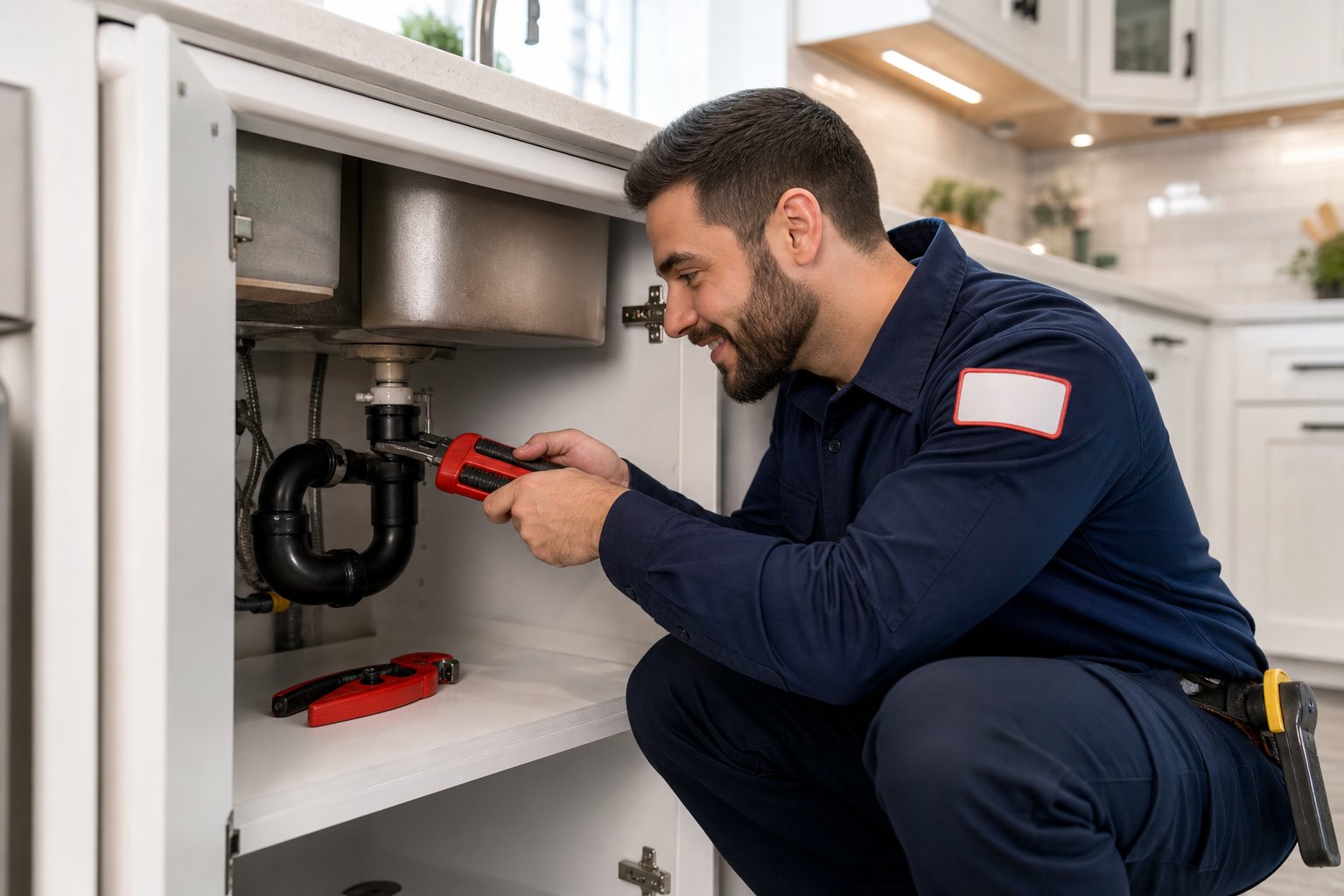
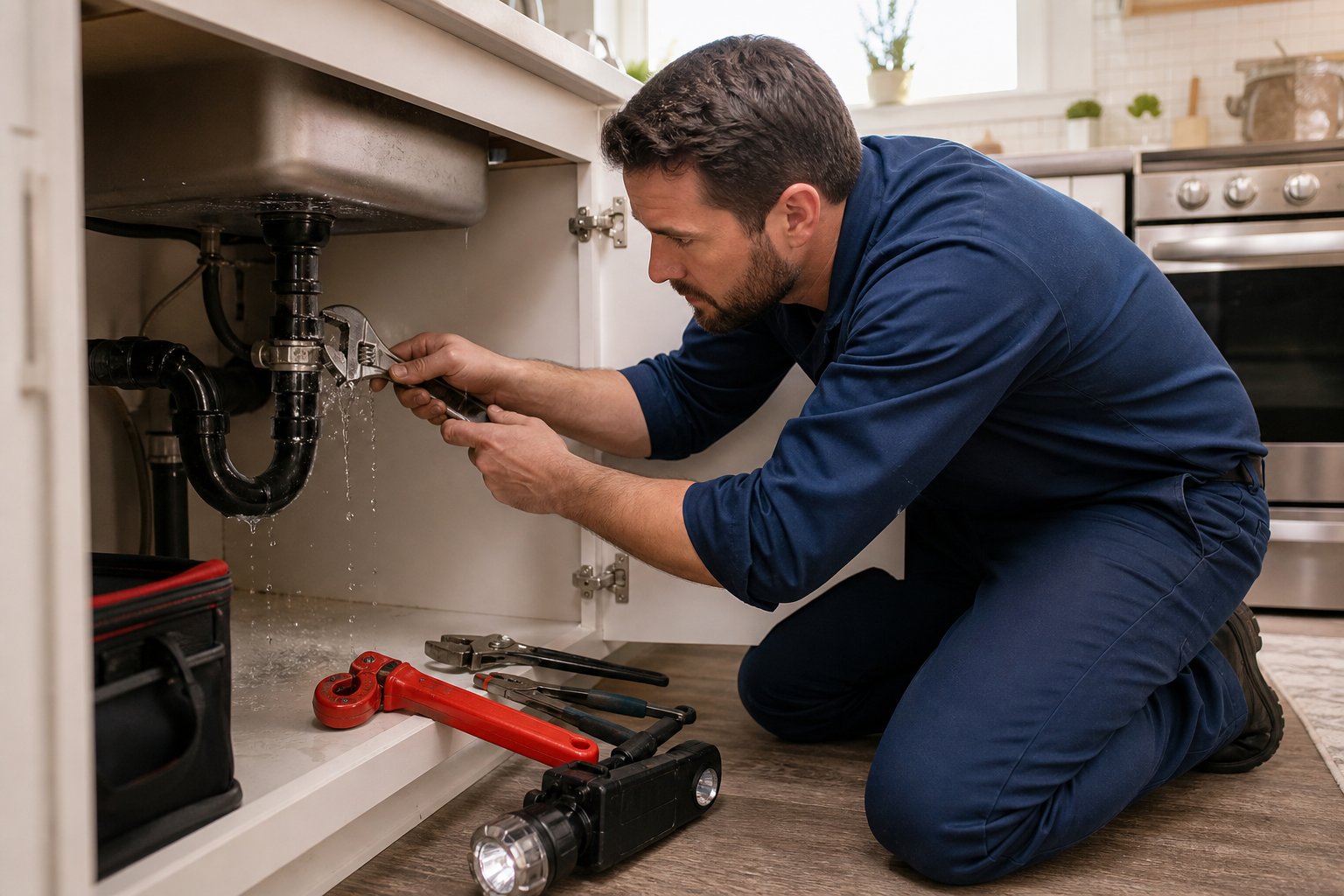
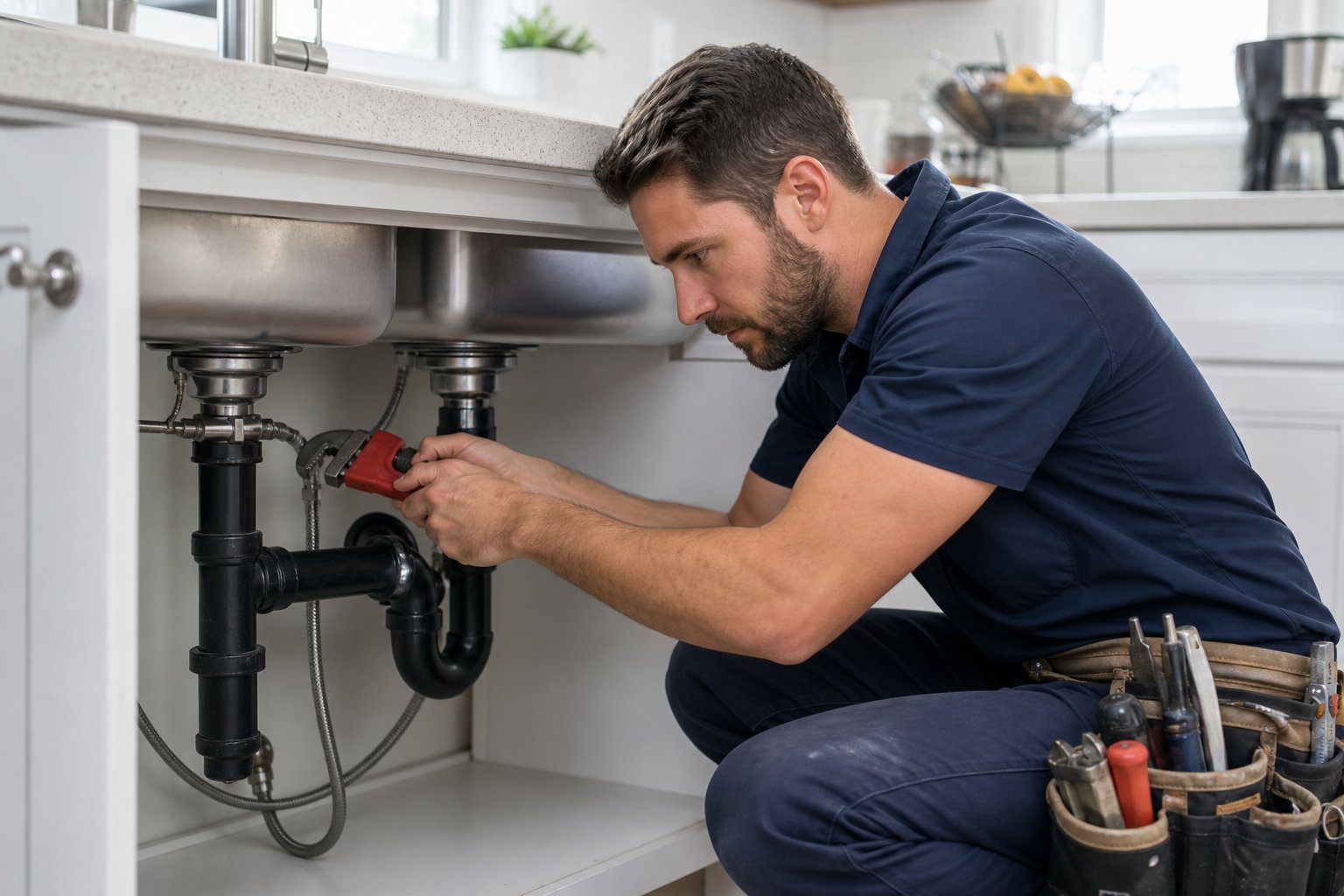
You want reliable HVAC service in Arlington, TX that fixes problems fast and keeps your home comfortable year-round. Local companies handle air conditioning repairs, full system replacements, routine maintenance, and indoor air quality work so your system runs efficiently and lasts longer.
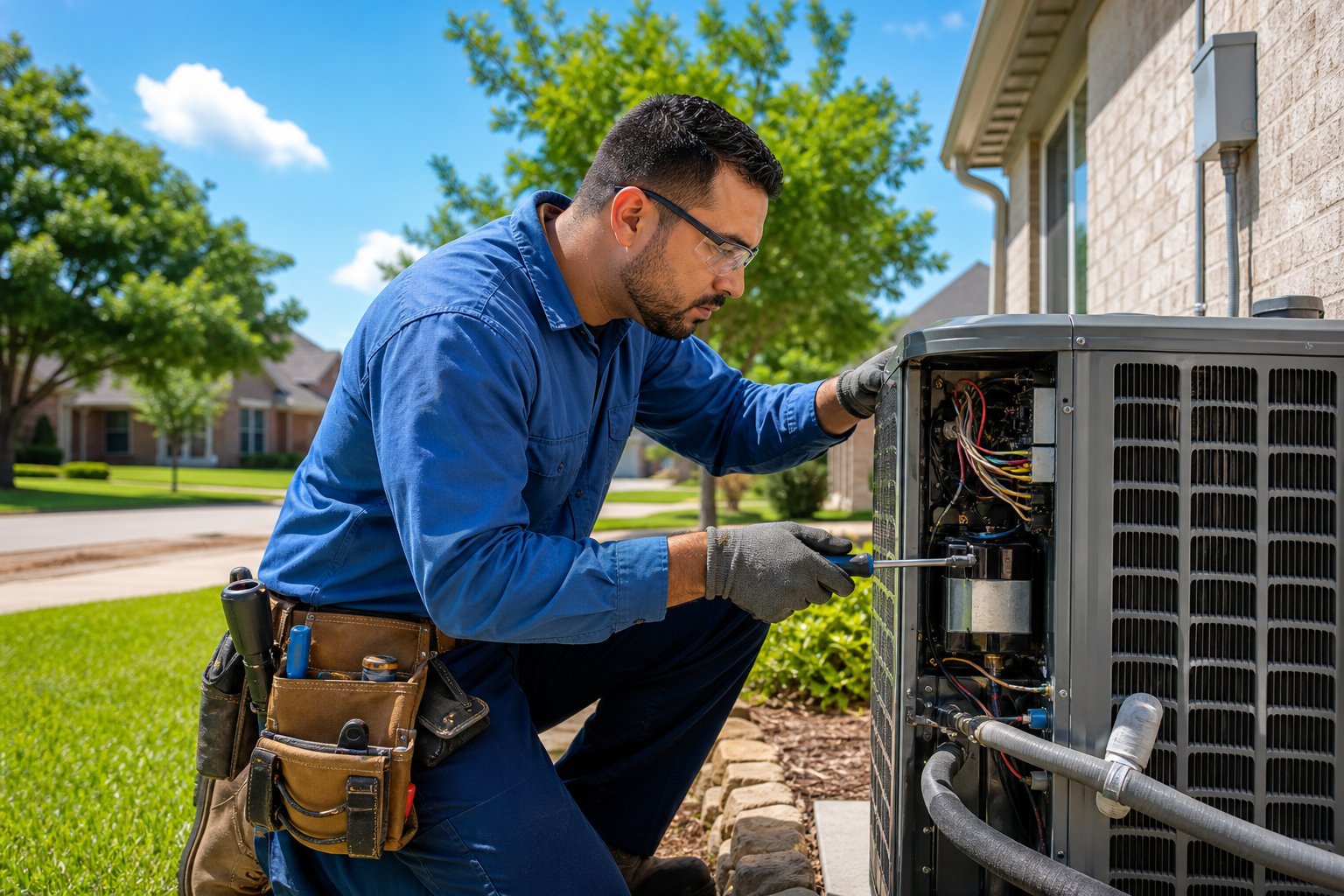
If you manage a business, you also need contractors who cover commercial systems and offer quick emergency response. You can expect licensed techs who explain options, give clear pricing, and protect your home while they work.
Key Takeaways
- Find local HVAC companies that offer repairs, installation, and maintenance.
- Choose technicians who work on both homes and commercial systems with clear pricing.
- Look for providers that also offer related home services and reliable emergency support.
Comprehensive AC Services in Arlington
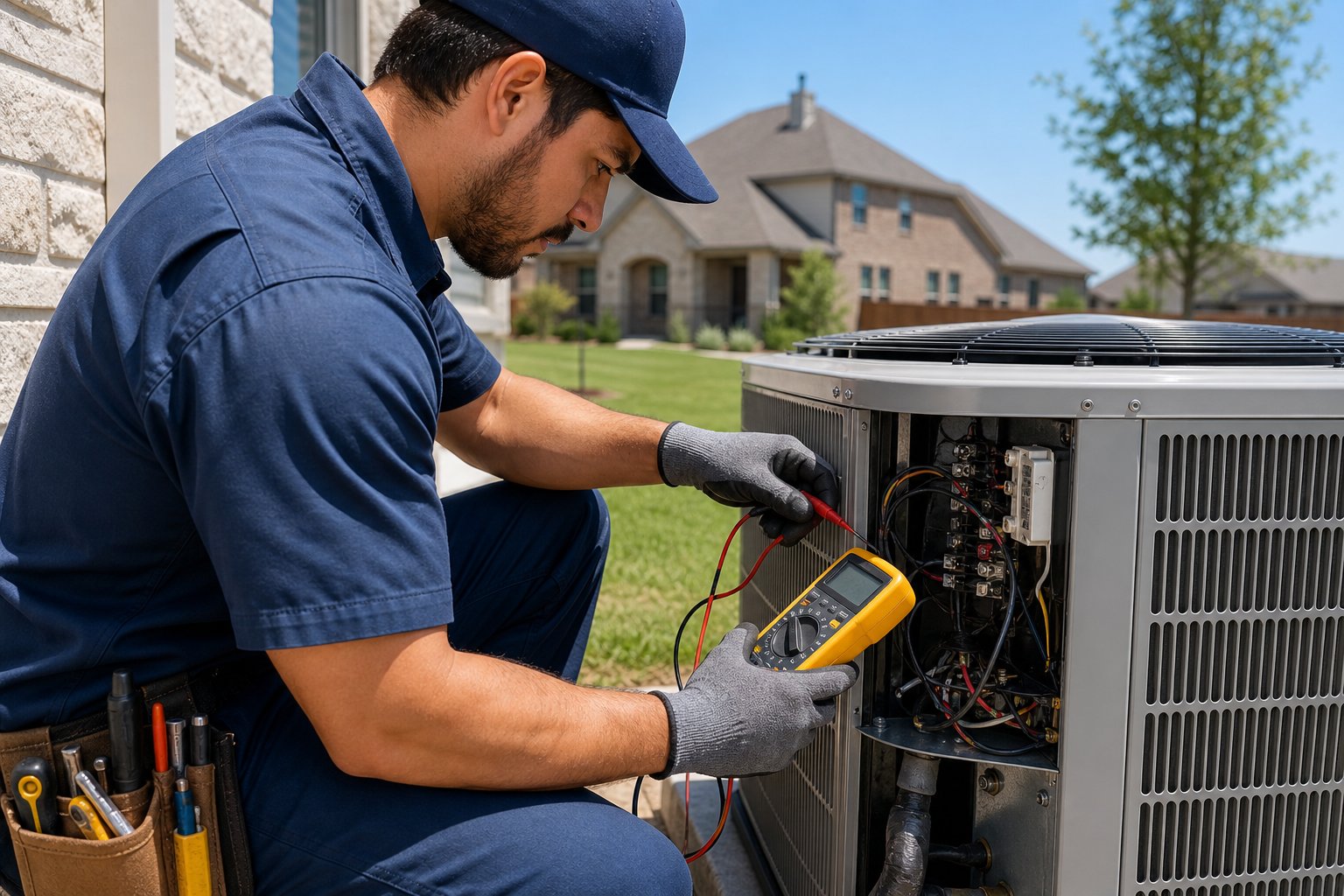
You get regular maintenance, quick repairs, and full system installs that fit Arlington weather and home needs. Each service focuses on keeping your system efficient, lowering power bills, and preventing breakdowns.
AC Maintenance and Tune-Ups
You should schedule a tune-up at least once a year, ideally in spring before summer heat peaks. A typical service includes checking refrigerant levels, cleaning coils, inspecting the condensate drain, testing thermostat accuracy, and tightening electrical connections.
Technicians also measure airflow and check filter condition to spot blockages that raise energy use. During maintenance, ask for a written checklist and any found issues prioritized by safety and impact on cooling.
Keep service records to track recurring problems and warranty needs.
Rapid AC Repair Solutions
When your AC fails, you need fast diagnosis and repair to avoid high indoor temperatures. Look for companies offering same-day service and 24/7 emergency options.
Technicians should perform a systematic diagnosis: verify power and thermostat settings, test capacitors and compressors, check refrigerant charge, and inspect ductwork for leaks. Expect clear quotes before work begins and ask about parts warranties.
For recurring issues, require a written repair report stating root cause and recommended next steps. Fast response plus a thorough fix reduces the chance of repeat breakdowns and limits costly emergency bills.
Air Conditioning Installation
If your unit is old or repairs exceed 50% of replacement cost, plan for a full air conditioning installation. Choose a properly sized system using Manual J load calculations; undersized or oversized units waste energy and wear out faster.
Discuss SEER rating, compatible refrigerant types, and any required ductwork repairs or upgrades. A proper installation includes correct refrigerant charge, sealed duct connections, and correct unit placement for airflow.
Get a written estimate that lists labor, components, and expected timeline. Also ask about manufacturer and installer warranties to protect your investment.
Preventative Maintenance Tips
You can prevent many problems with simple, steady actions. Replace or clean filters every 1–3 months, depending on usage and pets.
Keep outdoor units clear of debris and trim plants at least 2 feet away to ensure proper airflow. Set your thermostat program to reduce run time when no one is home.
Schedule professional inspections annually and after major storms. Record maintenance dates, repairs, and part replacements so you and your technician can spot trends before they become failures.
For local options in Arlington, check reputable providers that list HVAC services, emergency repair, and installations such as Arlington AC & Heating or other licensed contractors who serve the DFW area.
Heating System Expertise
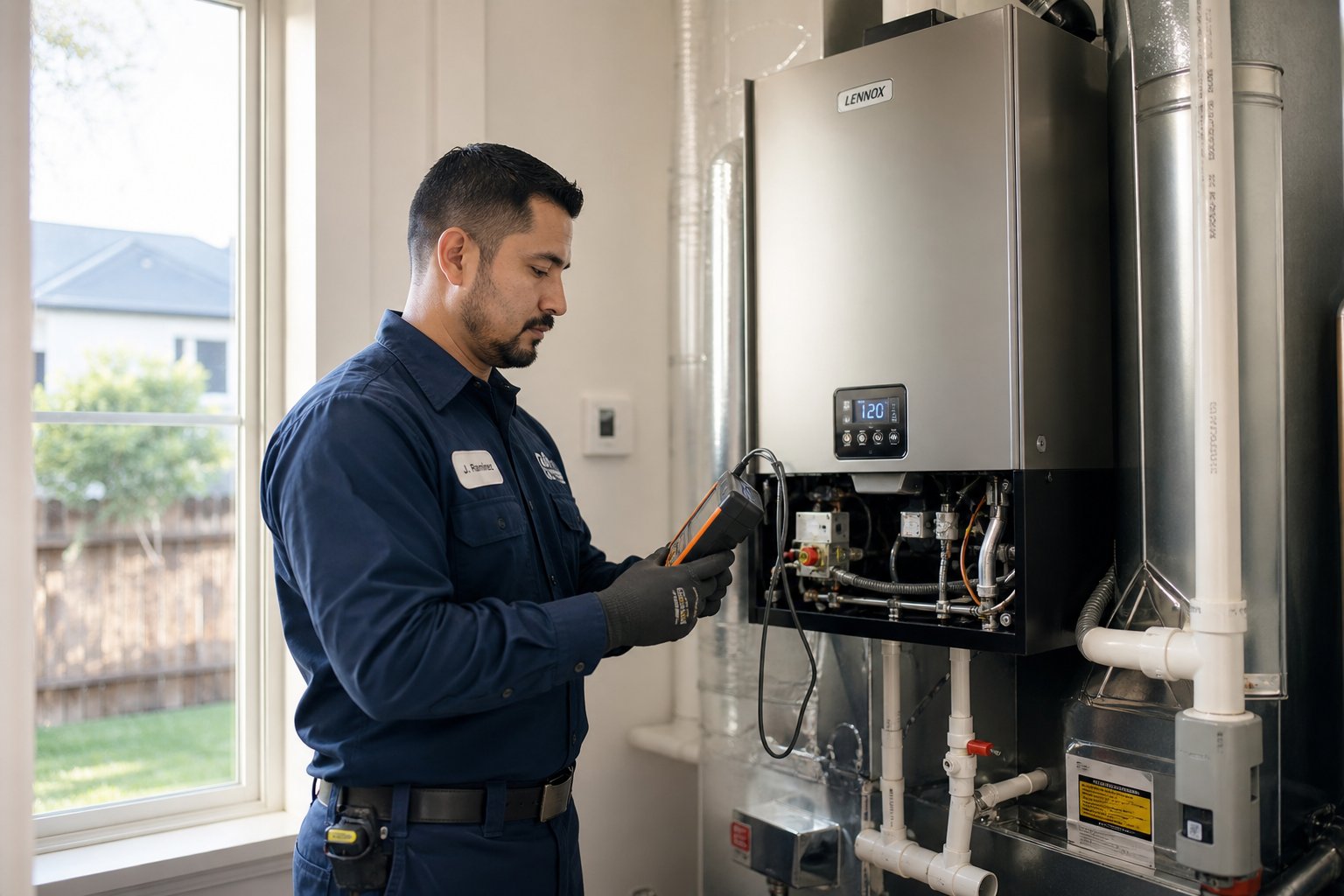
You get precise diagnostics, repairs, and installation options that match your home’s size and fuel type. Expect clear pricing, safety checks, and recommendations that prioritize comfort and efficiency.
Heating Repair and Diagnostics
When your furnace won’t start, cycles on and off, or blows cold air, a technician will begin with a safety and visual check. They test the thermostat, inspect the ignition or pilot assembly, and measure voltage and amperage on motors and controls.
Technicians also check airflow, filters, and duct leaks because poor airflow often causes issues that look like mechanical failure. You should ask for a written list of failed components and measured readings (pressure, temp rise, electrical).
If refrigerant or combustion problems appear, the tech will perform leak tests and carbon-monoxide checks. Expect a clear quote for repair versus replacement based on age, efficiency, and cost to fix.
Heating System Repairs
Repairs typically cover ignition systems, burners, heat exchangers, motors, belts, and control boards. Your technician will replace worn belts, clean or change filters, clean burners, and test the heat exchanger for cracks.
For gas systems they inspect valves, pilot lights, and flame patterns to ensure safe combustion. Parts that fail most often are blower motors and control boards.
If a heat exchanger cracks, your tech will recommend replacement because cracks risk carbon monoxide. Ask for OEM or equivalent parts and a parts-and-labor warranty.
Keep documentation of repairs to help with future service and resale value.
Heating Installation Services
When replacement makes sense, the tech sizes the new system using Manual J load calculations or equivalent. Proper sizing prevents short cycling and high energy bills.
You can choose gas furnaces, heat pumps, or hybrid systems depending on your fuel costs and insulation. Installation includes removing the old unit, verifying ductwork condition, setting the new unit on a level pad, connecting gas and electrical lines to code, and testing the system under load.
Expect a start-up sheet showing airflow, temperature rise, gas pressure, and carbon-monoxide readings. Ask about efficiency ratings (AFUE or HSPF) and available maintenance plans to protect your investment.
Commercial HVAC Solutions
You get durable, code-compliant systems sized for your building, and service plans that keep equipment running with minimal downtime. Expect clear pricing, timely permits, and technicians who coordinate lifts, electrical ties, and controls.
Commercial Installations
When you need a new rooftop unit, VRF system, or packaged unit, the contractor should start with a site survey and load calculation. That determines capacity (tons), electrical needs, and duct transitions.
Ask for written equipment schedules and a timeline that includes crane lifts, roof curb work, and electrical tie-in. Your bid should list removal and disposal of old units, any roof modifications, thermostat and control upgrades, and startup testing.
Confirm the contractor’s commercial HVAC experience and licensing. If you need phased installs, plan which zones will stay online and when each unit will be swapped to avoid business interruptions.
Routine and Emergency Commercial HVAC Maintenance
You should schedule seasonal maintenance at least twice a year: pre-summer and pre-winter. A typical commercial HVAC maintenance visit includes filter changes, belt and motor inspection, refrigerant charge check, and blower airflow testing.
Keep a log of service dates, parts replaced, and measured system pressures. For emergencies, choose a contractor that offers 24/7 response and has experience with rooftop rigging and quick parts sourcing.
Ask about emergency response time, temporary cooling options, and whether they provide a written repair estimate before work begins. Regular maintenance reduces emergency calls and extends unit life.
Indoor Air Quality and Duct Cleaning
You can improve indoor air quality by replacing commercial-grade filters, adding MERV-rated filtration or UV-C lights, and cleaning supply and return ducts when contamination is evident. Duct cleaning matters when you see mold, excessive dust, or persistent odors that start at the vents.
Hire a contractor who uses negative-pressure containment and rotary brushes for ductwork, and who inspects coils and drain pans for microbial growth. Request before-and-after photos and a written report that lists corrections made.
Good IAQ practices protect occupants and lower strain on your HVAC system.
Professional Standards and Customer Service
You should expect skilled technicians, clear prices, dependable support, and payment options that fit your budget. These elements work together to keep your home comfortable and protect your investment.
Certified Technicians and Licensing
You want technicians who hold current HVAC certifications and carry local licenses. Look for EPA 608 certification for refrigerant handling and any Texas contractor or city-specific HVAC licenses.
Certified techs follow manufacturer procedures when they install or repair systems, which preserves warranties and reduces repeat calls. A qualified technician will also carry proof of insurance and ID.
Ask to see license numbers and certification cards before work starts. This protects you from liability and shows the company follows industry rules.
Check if the crew receives regular training on new refrigerants, variable-speed equipment, and smart thermostats. Ongoing training lowers the chance of mistakes and helps techs diagnose problems faster.
Transparent Pricing and Financing
You should get a clear, written estimate before any work begins. The estimate should list parts, labor, tax, and any permits.
If a company charges diagnostic or trip fees, that must appear on the invoice. Ask for price comparisons between repair and replacement when costs approach 50% of a new system.
A fair quote will include energy-efficiency gains and expected life span for the new equipment. If a warranty applies to parts or labor, have the warranty terms written in the estimate.
Many Arlington HVAC firms display discounts for veterans or first responders. Verify any advertised discount on your written quote to ensure it applies to your job.
Customer Service Commitment
You deserve clear communication from booking through follow-up. Reliable companies confirm arrival windows, send technician bios or photos, and explain the repair or replacement steps before starting work.
You should receive a written work order and a final invoice showing the completed tasks. Good customer service includes punctuality, cleanliness, and respect for your home.
Technicians should wear shoe covers, clean work areas, and remove debris. If a mistake happens, the company should offer a fast, documented correction plan.
Look for firms with local reviews that mention repeat visits for the same issue, timeliness, and tech professionalism. These details tell you how a company treats customers after the sale.
Flexible Financing Options
You can often avoid large upfront costs with financing plans tailored to HVAC work. Typical options include 6–12 month no-interest plans, low-interest long-term loans, and deferred-payment promotions.
Ask for APR, term length, and early-payoff penalties in writing. Some contractors partner with third-party lenders that pre-approve credit during the estimate visit.
If you prefer not to use credit, ask about in-house payment plans or step-payment schedules tied to milestones. Confirm what happens if a financed system fails under warranty.
A clear financing offer will explain who covers emergency repairs and how warranty claims affect monthly payments.
Additional Home Services: Plumbing and Electrical
You can keep your home safe and comfortable by handling plumbing and electrical needs quickly and correctly. Focus on bathroom plumbing, emergency repairs, regular electrical inspections, and upgrades like remodeling or smart home wiring.
Bathroom Plumbing and Emergency Plumbing
You should inspect toilets, sinks, and shower drains for slow flow, leaks, or noise. Small leaks at supply lines or a running toilet waste water and raise bills.
Replace worn flappers and tighten fittings to stop many common problems. If a shower valve sticks or a faucet drips after simple fixes, call a licensed plumber to avoid water damage.
For emergency plumbing—burst pipes, major leaks, or sewage backups—shut off your main water valve immediately. Turn off circuit breakers if water contacts electrical panels.
Then contact a 24/7 plumber who offers fast response and temporary repairs like pipe clamps or water pumps. Ask the plumber about camera inspections and trenchless repairs to locate breaks without tearing up flooring.
Checklist for bathroom plumbing:
- Check for damp spots around fixtures weekly.
- Test toilet flapper and caulk around tubs every six months.
- Know where your main shutoff is and how to operate it.
Electrical Inspections and Troubleshooting
You should schedule an electrical inspection every 3–5 years or after major work. Inspectors test outlets, GFCIs, breakers, and grounding to find overloaded circuits, loose connections, or outdated wiring.
If you see flickering lights, burning smells, or warm outlets, stop using the circuit and call an electrician right away. Basic troubleshooting you can do safely includes resetting tripped breakers and testing GFCI outlets.
Do not open panels or handle wiring yourself. A qualified electrician will use tools like circuit tracers and infrared cameras to find hot spots and hidden faults.
Keep a record of inspection reports and repairs to help when selling your home or planning upgrades.
Key items an inspection covers:
- Service panel capacity and breaker condition
- GFCI and AFCI protection in required areas
- Visible wiring age and grounding status
Electrical Remodeling and Home Automation
When you remodel a kitchen or add a bathroom, plan electrical capacity and dedicated circuits for heavy loads like ovens, dryers, and HVAC equipment. Upgrade panels and add subpanels if circuits exceed capacity.
You should get permits and an electrician to ensure code compliance and safe operation. For home automation, decide which devices you want: smart thermostats, lighting, locks, and security cameras.
Hardwiring key components—like doorbell cameras or wired speakers—gives more reliable power and network connections than relying solely on Wi‑Fi. Ask electricians about integrated control panels, surge protection, and future-proof wiring such as Cat6 or fiber conduit.
This reduces rework later and makes your home easier to manage.
Upgrade planning tips:
- Map heavy-load appliances and plan dedicated circuits.
- Choose centralized low-voltage hubs for automation.
- Include surge protection at the main panel for electronics.
Frequently Asked Questions
These answers give specific cost ranges, common warning signs, and practical rules to help you decide on repair, service, or replacement. Expect clear price ranges, typical hourly rates, and the checklist items you should watch for in reviews.
How much does HVAC repair typically cost for a home, and what factors affect the price?
Minor repairs like capacitor or thermostat replacement usually cost $100–$400.
Common repairs such as refrigerant recharge, motor replacement, or minor control work most often fall in the $300–$1,200 range.
Larger repairs—like a compressor or coil replacement—can run $1,000–$3,500 depending on parts.
Factors that affect price include part cost, system age, warranty status, accessibility of equipment, and whether electrical or gas work is needed.
How much do HVAC technicians usually charge per hour for service calls?
Typical technician labor rates in the region range from $75–$150 per hour for residential service.
Some companies charge a flat service call fee ($75–$200) that covers the first hour and basic diagnostics.
Emergency or after-hours visits often add 25–100% to the hourly rate.
Specialized technicians for refrigerant recovery, commercial systems, or complex controls may bill at higher rates.
What are the signs that an air conditioner needs repair versus replacement?
Repair if the unit shows isolated problems like unusual noises, weak airflow, or thermostat errors and the system is under 10 years old.
Replace if you face repeated failures, frequent costly repairs, or the unit is over 12–15 years old.
Also consider replacement when energy bills rise sharply, refrigerant types are phased out, or the compressor fails.
If repair costs approach half the value of a new system and efficiency stays low, replacement usually makes more sense.
How much does it cost to replace an HVAC system for a 2,000 sq ft house?
A full HVAC replacement for a typical 2,000 sq ft house in the area usually ranges $6,000–$14,000.
Prices depend on system type (central AC with gas furnace, heat pump, or packaged unit) and brand.
Higher-efficiency systems, upgraded ductwork, or added indoor air quality equipment raise the total; add $1,000–$3,500 for duct repairs or replacement.
Labor, permits, and basic startup testing are included in most contractor quotes but confirm what is and isn’t covered.
What is the $5,000 rule for deciding whether to repair or replace an HVAC unit?
The $5,000 rule says: if a repair would cost less than $5,000, repair; if it would cost $5,000 or more, replace the unit.
This rule acts as a quick guideline that balances repair cost against the benefit of a new system’s efficiency and reduced future repairs.
Apply it alongside system age, remaining expected life, and energy savings from a new system.
If a system is old and repair costs exceed the rule threshold, replacement often delivers better long-term value.
What should I look for in reviews when choosing an HVAC company?
Check reviews for on-time arrivals and clear pricing.
See if quotes matched final invoices.
Look for comments about technician knowledge and cleanup after work.
Consider feedback on responsiveness to follow-up issues.
Verify that reviewers mention proper permits and inspection help.
Watch for repeated complaints about warranty service or poor communication.