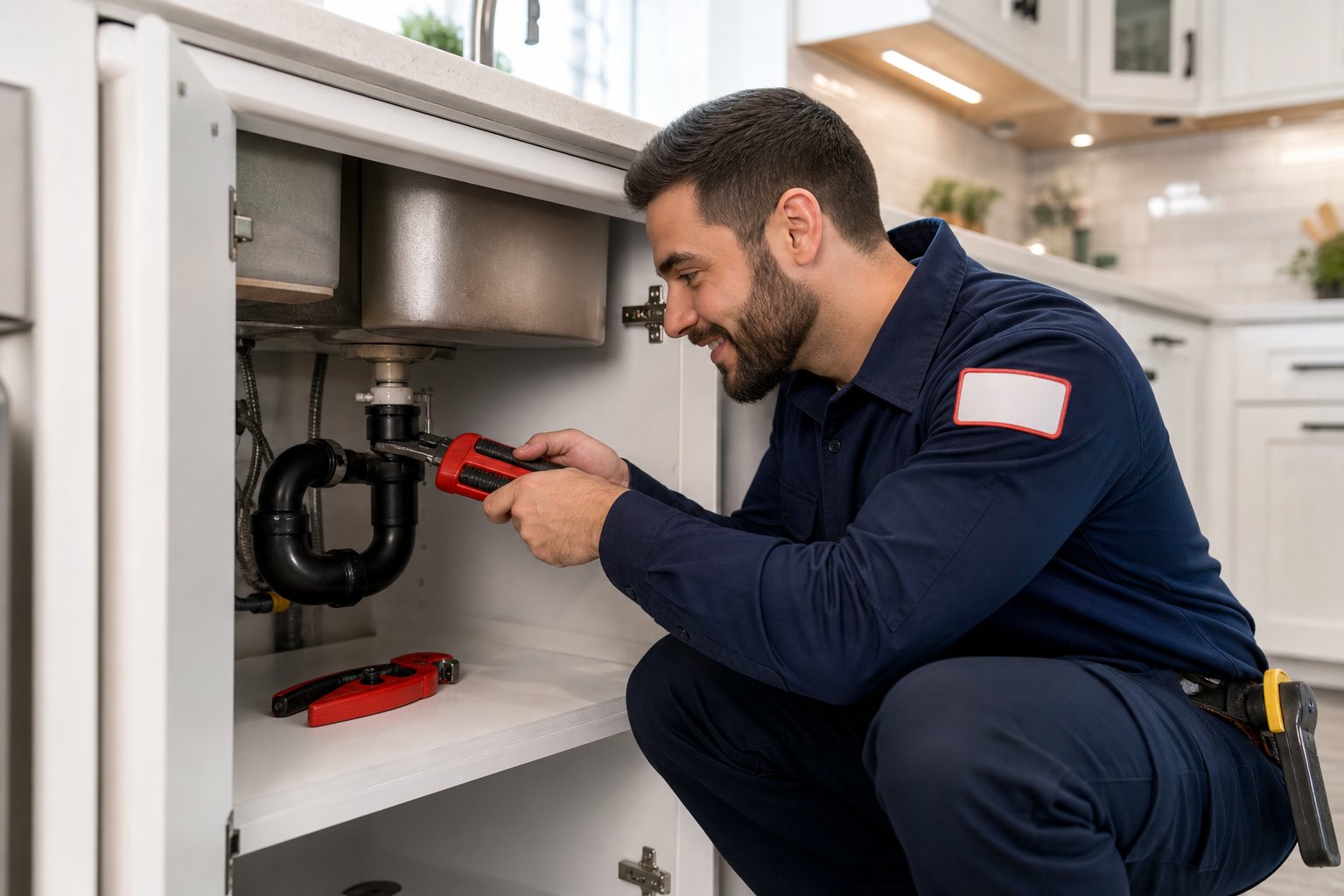
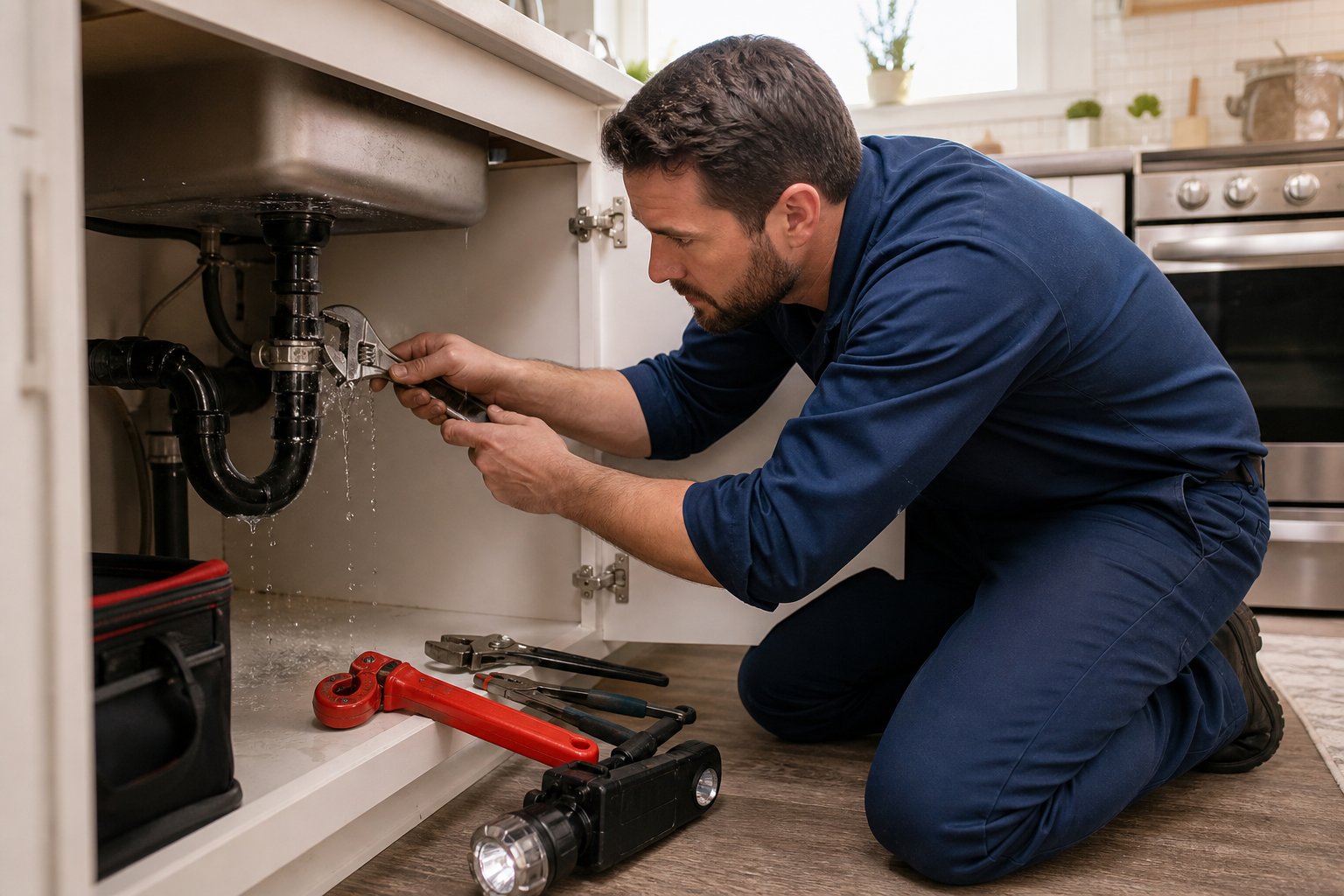
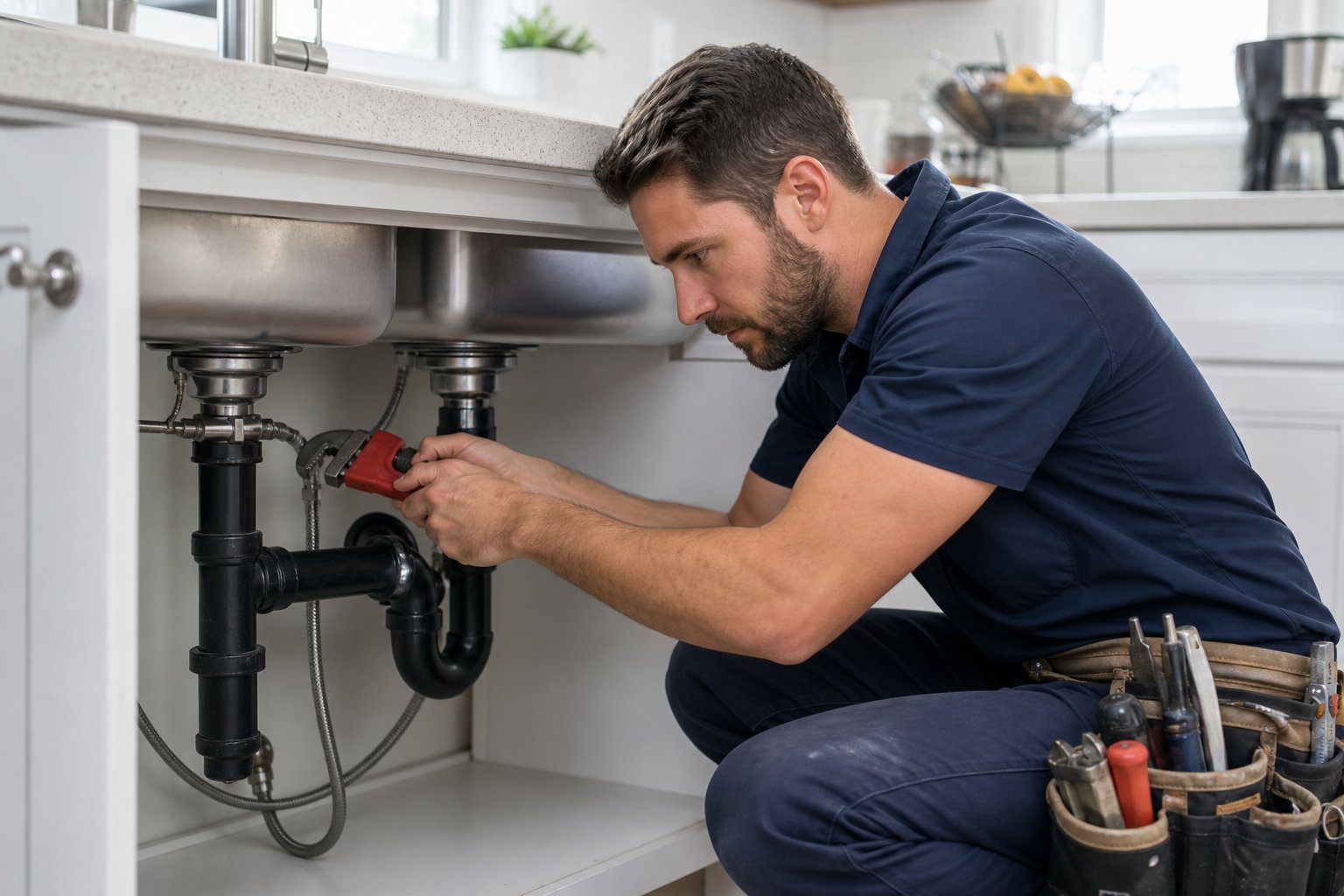
You need a reliable HVAC company in Arlington, TX that fixes problems fast and keeps your home comfortable year-round.
Top local companies offer prompt repairs, routine maintenance, and efficient installations to match Arlington’s hot summers and cooler winters.
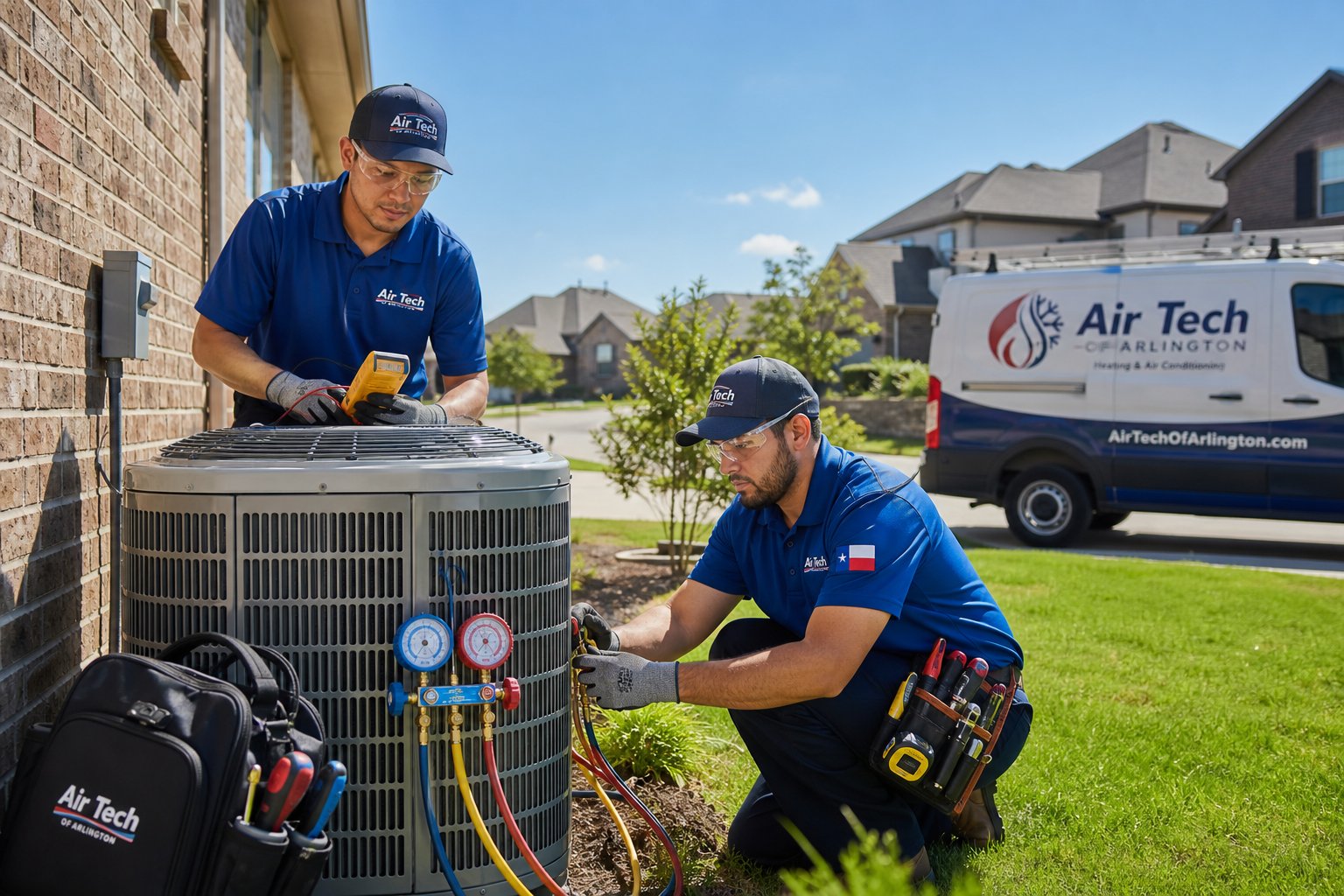
You’ll learn which firms earn strong local reviews, what services they typically provide, and how to pick a partner who communicates clearly and stands behind their work.
That helps you avoid surprise costs and keeps your system running efficiently when you need it most.
Key Takeaways
- Choose an HVAC company with strong local reviews and proven experience.
- Look for clear pricing, maintenance plans, and emergency service options.
- Match the company’s services to Arlington’s climate and your home’s needs.
Top-Rated HVAC Companies in Arlington
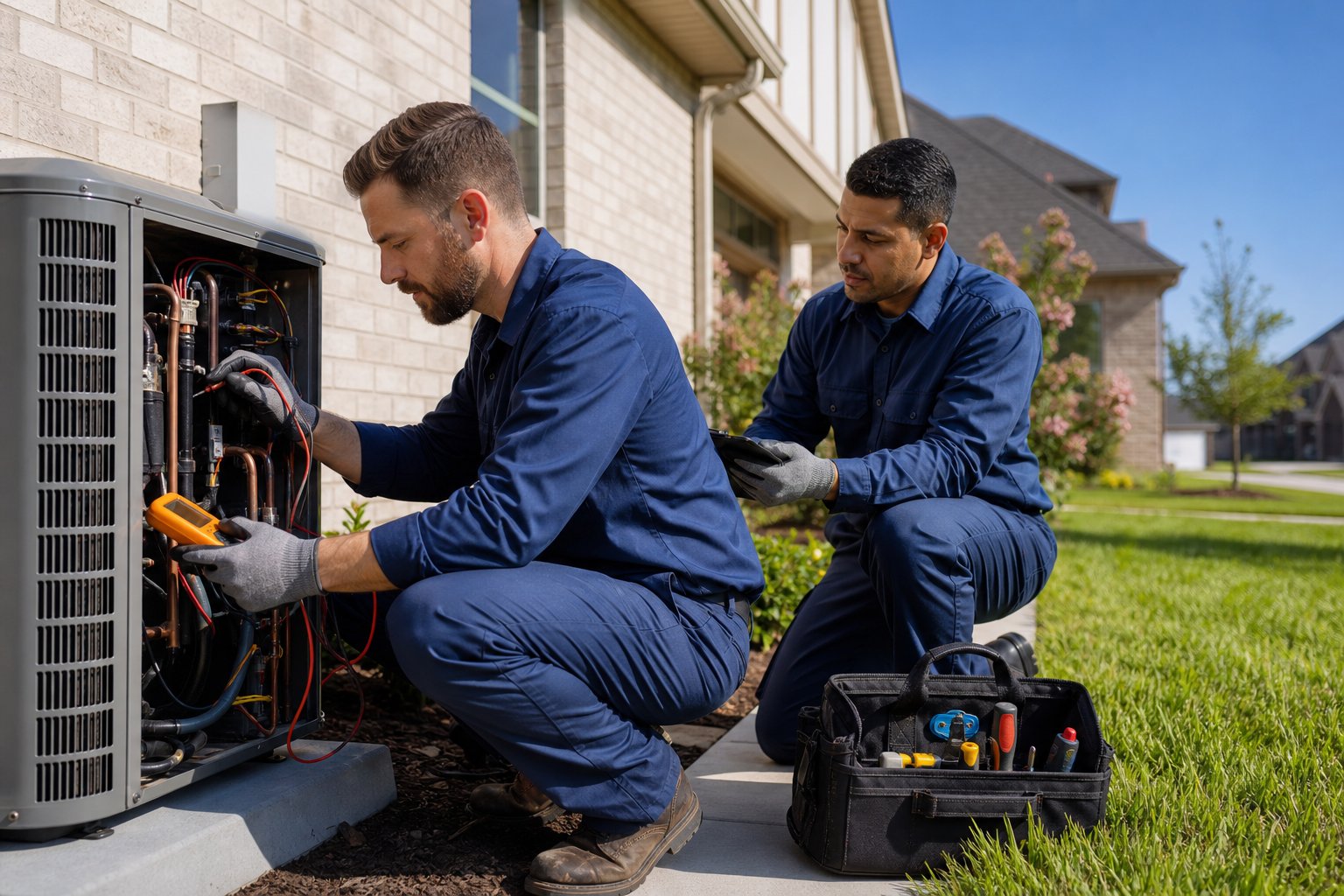
You can find established Arlington HVAC companies that handle repairs, installs, and maintenance across the city.
Look for firms that publish clear pricing, emergency response times, and warranty details.
Profiles of Leading Providers
Arlington AC & Heating is a long-running family-owned business serving Tarrant County since 1973.
You can expect residential installations, routine maintenance, and system repairs from technicians familiar with local home sizes and attic conditions.
Their history means they often stock common replacement parts for quick fixes.
Air Techs Heating & Cooling advertises 24-hour emergency service year-round and flat-rate pricing.
If you need a fast response at odd hours, check their availability and ask about travel or emergency fees before you schedule.
For independent reviews and rankings, you can compare local options on consumer lists like Yelp’s Arlington HVAC results and Expertise’s top Arlington AC repair picks.
These lists help you see which companies focus on residential work, commercial systems, or both.
Customer Reviews and Community Trust
Read recent customer reviews to see how companies handle timing, cleanup, and clear explanations.
On Yelp, reviewers often mention technician professionalism and whether the tech explained needed repairs.
Look for repeated praise about punctuality or complaints about surprise charges.
Check Better Business Bureau listings for complaint history and how the business resolved disputes.
If a company is BBB-listed in Arlington heating and air conditioning, that can show how they handle claims and follow-up service.
Also search local community boards and Nextdoor for neighbor recommendations about HVAC companies in Arlington.
Local feedback highlights who does reliable tune-ups, who overcharges, and who returns for warranty work without hassles.
Service Coverage and Specialties
Identify which companies service your exact ZIP code in Arlington, and whether they cover both residential and commercial systems.
Some firms concentrate on home HVAC, while others specialize in large commercial rooftop units or plumbing-HVAC combos.
Ask about brand experience — if you have a Carrier, Trane, or Goodman system, confirm the company installs and parts-repairs that brand.
Also verify their HVAC technicians’ licenses and NATE certification if you want proof of trained staff.
Confirm emergency hours, maintenance plans, and any flat-rate offers.
Companies that publish these details online make it easier for you to compare quotes and choose the right Arlington HVAC provider for your needs.
Key HVAC Services Offered Locally
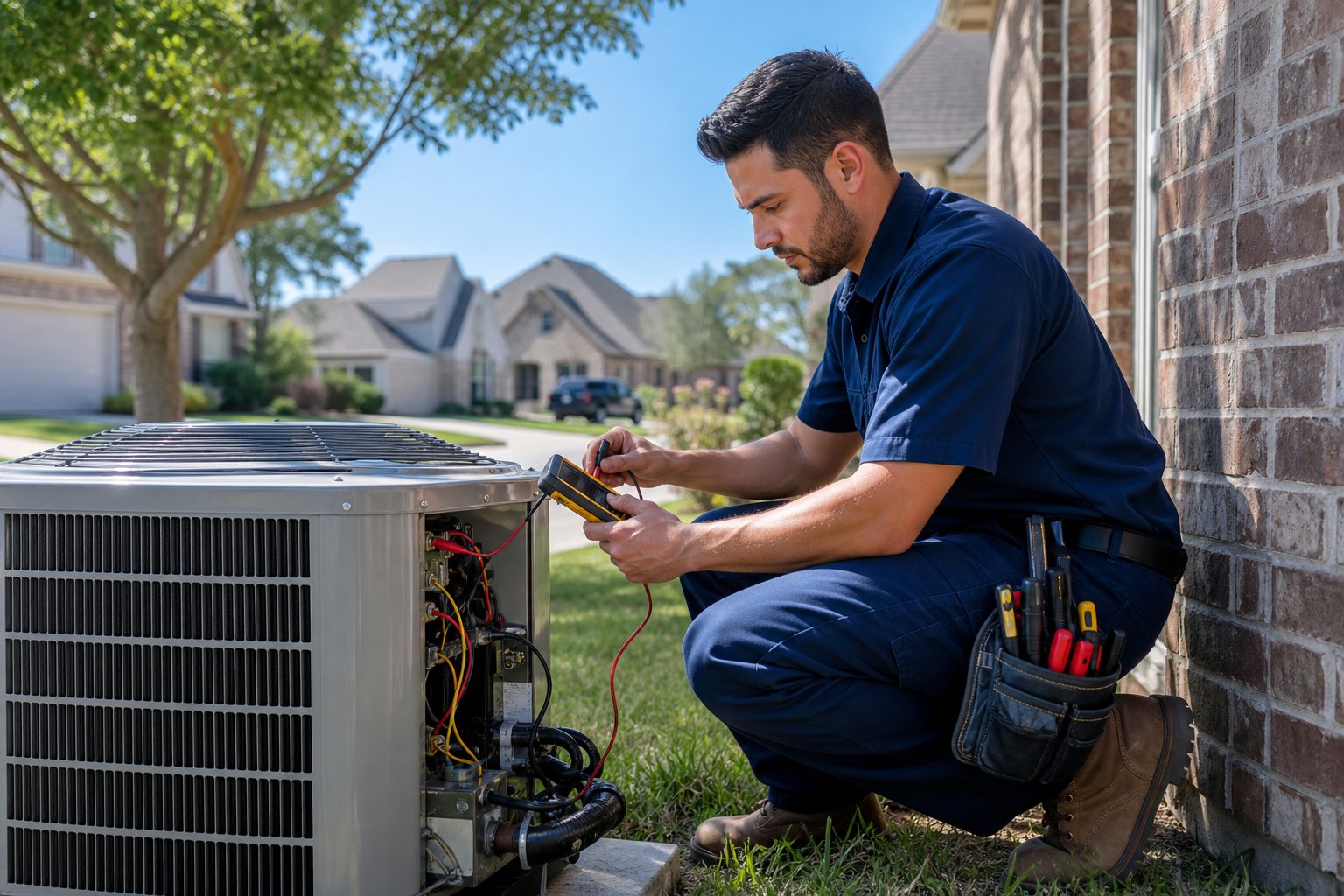
You can expect technicians to handle system checks, repairs, and indoor air upgrades that keep your home comfortable and safe.
Prices, response times, and available brands vary by company, so check warranties and maintenance plans before you book.
Heating and Air Conditioning Service
You get routine tune-ups, seasonal inspections, and full system installations.
Technicians test refrigerant levels, clean coils, check capacitors and motors, and measure airflow to restore efficient cooling or heating.
A typical service includes filter replacement, thermostat calibration, and safety checks for electrical connections.
If your system is older, techs will recommend repairs versus replacement and show estimated costs and energy savings.
Look for companies that offer branded installations (like Trane or Lennox) and written warranties.
Many local firms also provide maintenance plans that include priority scheduling and discounted parts.
Emergency Repairs and Maintenance
Emergency service covers same-day repairs for no cooling, odd noises, or system leaks.
You should ask about 24/7 availability, after-hours fees, and technician arrival windows before calling.
Technicians diagnose causes quickly using gauges and diagnostic tools, then replace failed parts such as capacitors, contactors, compressors, or control boards.
They also handle condensate drain clogs and refrigerant recovery when needed.
Preventive maintenance reduces emergency calls.
Regular inspections catch worn belts, loose wiring, and low refrigerant early.
Confirm whether emergency labor and travel costs are included in service contracts.
Indoor Air Quality Improvements
You can improve air quality with high-efficiency filters, UV germicidal lights, and whole-home air purifiers.
Technicians test humidity levels and advise on dehumidifiers or humidifiers for mold control and comfort.
Duct cleaning and sealing remove dust, pet dander, and leaks that cut efficiency.
Some companies offer air quality testing for particulates and volatile organic compounds so you can see problem areas before buying equipment.
Ask about MERV ratings for filters, expected maintenance intervals, and the impact on system airflow.
Many local HVAC firms list these services on their sites and include IAQ upgrades in installation quotes, so compare options and costs.
What Sets Great Arlington HVAC Companies Apart
Top companies give you clear communication, trained technicians who know local systems, and honest pricing with solid warranties.
They treat your time and home with respect, explain repairs in plain language, and back work with written guarantees.
Customer Service Standards
You should expect fast, polite responses and clear appointment windows.
Great Arlington HVAC companies confirm work by phone or text, show up on time, and keep you updated if a delay or part shortage happens.
Technicians who enter your home should wear shoe covers, use drop cloths, and clean up when they finish.
This shows they respect your space and reduces stress for you.
When a tech inspects your system, they give a simple checklist of what they looked at and why a repair or tune‑up is needed.
You get written estimates before any work starts, and companies that offer maintenance plans will remind you of seasonal service.
If something goes wrong, customer service should offer a clear escalation path and a committed repair timeline.
Knowledgeable Technicians
You rely on technicians who know local Arlington climate demands and common system brands.
Look for techs with EPA certification, manufacturer training for brands like Trane or Carrier, and several years of field experience.
These qualifications mean faster, more accurate diagnostics and fewer return visits for you.
During a visit, a skilled tech explains findings in plain language.
They point out which parts are worn, what could fail next, and give cost and lifespan estimates.
You should get alternatives—repair vs. replace—with energy‑use implications spelled out.
A technician who carries common replacement parts and diagnostic tools saves you time and money.
Ask about continuing education and brand certifications when you vet a company.
Transparent Pricing and Warranties
You deserve written estimates that list labor, parts, and taxes so you can compare offers easily.
Good Arlington HVAC firms provide itemized invoices and avoid surprise charges by getting your approval for any extra work.
They also explain financing or payment options if a replacement is needed.
Warranties should be clear and in writing: parts warranty length, labor coverage, and any conditions that void the warranty.
Reputable companies honor manufacturer warranties and add their own workmanship guarantee for a set period.
Before work starts, confirm how warranty claims are handled, who pays for diagnostic trips, and whether regular maintenance is required to keep the warranty valid.
How to Choose the Right HVAC Partner
Look for a contractor who matches your system type, budget, and schedule.
Prioritize clear licensing, written quotes, and a reachable office or service line.
Experience and Licensing
Check that the company has handled installations and repairs for your make and model.
Ask how many years they’ve worked on systems like yours and for examples of recent jobs in Arlington neighborhoods.
Verify the technician licenses required in Texas and confirm the company’s insurance and bonding.
Request license numbers and call the licensing board if you want direct confirmation.
This protects you from liability and poor workmanship.
Look for local experience.
Companies that work often in Arlington understand local weather impacts and common load issues.
Ask about warranties they offer on parts and labor and whether they use factory-certified parts.
Comparing Quotes and Value
Get at least three written quotes that list parts, labor hours, and any permits.
Compare line items, not just the total price.
A low bid can hide missing permits, inferior parts, or excluded cleanup.
Ask each contractor to explain energy-efficiency options and projected utility savings.
Request a cost breakdown for upgraded filters, SEER ratings, zoning, or smart thermostats so you can compare long-term value.
Watch for red flags like large upfront cash requests or vague scopes of work.
Prefer firms that include a detailed timeline, payment schedule, and a clear cancellation or change-order policy in the written estimate.
Ensuring Reliable Customer Support
Confirm the company’s response window for emergency repairs and routine service.
Ask if they offer 24/7 dispatch, online booking, or same-day callbacks and how they handle after-hours fees.
Check review sites and local pages for recent customer service examples from Arlington homeowners.
Look for patterns—fast callbacks and follow-through matter more than a single glowing review.
Request a direct phone number and a service agreement that spells out communication steps, technician arrival windows, and follow-up inspections.
Good customer service reduces surprise costs and keeps your system running reliably.
Arlington’s Climate and Your Home’s HVAC Needs
Arlington’s hot, humid summers and brief cool winters mean your system must cool reliably, control humidity, and run efficiently.
Regular tune-ups, correct sizing, and good airflow will keep your home comfortable and cut energy bills.
Preparing for Summer Heat
Check your AC’s cooling capacity and refrigerant level so it can meet Arlington’s high July temps.
Replace filters every 1–3 months and clean the outdoor condenser coil to keep airflow strong.
Clear at least two feet of debris and plants around the unit to prevent heat buildup.
Use a programmable thermostat set 7–10°F higher when you’re away to save energy without stressing the system.
If rooms stay warm, get a professional to verify duct sealing and insulation—leaky ducts can cut cooling by 20% or more.
Consider a spring tune-up from a local Arlington HVAC technician to test capacitors, contactors, and fan motors before peak season.
Efficient Heating for Winter
Your heating needs are brief but you still need reliable performance on cold nights. Have your furnace or heat pump inspected in fall; check burners, ignition, and safety switches for gas systems.
Replace furnace filters and confirm thermostat batteries and settings. If you use a heat pump, ensure defrost cycles work and outdoor unit is clear of leaves.
Balance rooms with dampers or by adding insulation to attic and crawl spaces to reduce heat loss. If your system is older than 12–15 years, get a load calculation and cost estimate.
Modern units can be 10–30% more efficient and lower winter operating costs in Arlington.
Maintenance Tips for Extreme Weather
Prepare for power surges and outages by keeping surge protectors on HVAC breakers and noting manual thermostat controls. After storms, inspect outdoor units for bent fins, debris, or water damage.
Straighten fins with a fin comb and remove lodged debris carefully. Schedule semi-annual checks—spring for cooling, fall for heating—with an Arlington HVAC pro who documents refrigerant pressure, airflow, and safety tests.
Keep a short checklist: clear condensate lines, confirm thermostat calibration, lubricate motors if needed, and test emergency shutdowns.
Frequently Asked Questions
This section answers the most common, practical questions about hiring HVAC companies in Arlington, TX. You’ll find clear guidance on choosing a contractor, expected repair costs, checking credentials, payment options, and simple rules to decide repairs or replacements and maintenance priorities.
Which heating and cooling contractor should I choose for a residential system replacement?
Pick a contractor that has local experience installing the exact brand and system you want. Ask for recent job photos, client references in Arlington, and written warranties on both parts and labor.
Confirm they provide a detailed, itemized written estimate. The estimate should list equipment model numbers, efficiency ratings (SEER/HSPF), labor, permit costs, and a clear timeline for completion.
How much does a typical air conditioner repair cost in my area?
Minor repairs like capacitor or contactor replacement often run a few hundred dollars. Compressor or refrigerant-related repairs typically cost more, sometimes $800–$2,500 depending on parts and labor.
Request a written estimate before work starts and ask whether diagnostics are billed separately. Prices rise during peak summer demand, so expect higher rates on emergency or same-day service.
What should I look for to verify an HVAC company is licensed and insured?
Ask for a copy of their Texas HVAC license number and verify it with the Texas Department of Licensing and Regulation. Confirm they carry general liability insurance and worker’s compensation, and request certificates showing policy numbers and coverage limits.
Make sure the license covers the specific work (installation, refrigeration). Also check for manufacturer certifications for the equipment you plan to buy.
Do HVAC contractors offer free estimates and financing for new system installations?
Many Arlington contractors offer free, on-site estimates; confirm this before scheduling. Financing options are common — ask about 0% promotional plans, lender terms, and whether financing affects equipment warranty.
Get all financing terms in writing, including interest rate after any promotional period, monthly payment, and total cost. Compare multiple offers and check if rebates or local incentives apply to lower your out‑of‑pocket expense.
When should I repair versus replace an older HVAC system under the $5,000 rule?
If repair costs approach or exceed $5,000, replacement usually makes more sense for older systems. Also choose replacement when the system is over 10–15 years old, efficiency is low, or repairs keep recurring.
Balance the $5,000 threshold with expected remaining life, energy savings from a new system, and any upcoming major home changes. Ask contractors to show a side‑by‑side cost comparison of repair versus replacement.
What does the HVAC 20 rule mean for maintenance and system performance?
The 20 rule means a properly maintained system that loses less than 20% of its original efficiency still performs acceptably. If efficiency loss is near or above 20%, you should expect higher energy bills and more frequent breakdowns.
Combine the rule with age, repair history, and contractor measurements (like airflow and superheat) to decide on deeper maintenance or replacement.