Is your bathroom sink draining slowly? This common household issue can be frustrating, but there are effective solutions you can try before calling a plumber. In this guide, we’ll walk you through simple steps to unclog your bathroom sink drain, from identifying the cause to using tools like a Zip-It and plunger. You’ll learn how to remove the sink stopper, safely use chemical cleaners, and when to seek professional help. By following these methods, you can save time and money while keeping your sink flowing smoothly.
Identify Common Causes of a Slow Bathroom Sink Drain
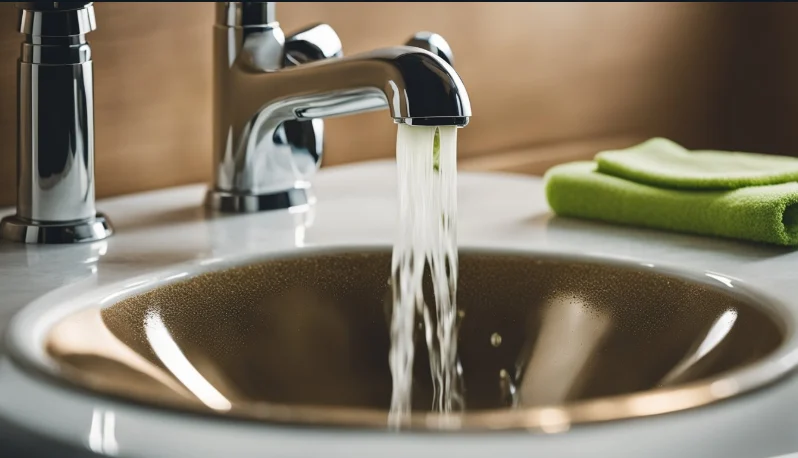
Slow bathroom sink drains can result from various issues, including the accumulation of hair and debris, soap scum buildup, mineral deposits from hard water, and blocked vent pipes. Understanding these common causes helps you address the problem effectively, preventing potential water damage and more severe clogs. Let’s explore each factor to help you identify and resolve your slow drain issues.
Accumulation of Hair and Debris
Hair and debris accumulation is often the root cause of a clogged sink drain in your bathroom. As you use your sink daily, hair strands, soap particles, and other small debris can collect around the stopper and in the drain pipe. Over time, this buildup narrows the passage, slowing water flow and potentially leading to a complete blockage. To prevent this issue, consider using a drain cover and regularly cleaning your stopper to catch hair before it enters the drain.
Soap Scum Buildup
Soap scum buildup can significantly contribute to a slow bathroom sink drain. When you wash your hands or face, soap residue mixes with minerals in the water, forming a sticky film that adheres to the inside of your pipes. This buildup narrows the drain passage, slowing water flow and trapping hair and other debris. To prevent soap scum accumulation, consider using liquid soaps instead of bar soaps and perform regular drain maintenance, such as pouring boiling water down the drain weekly.
Mineral Deposits From Hard Water
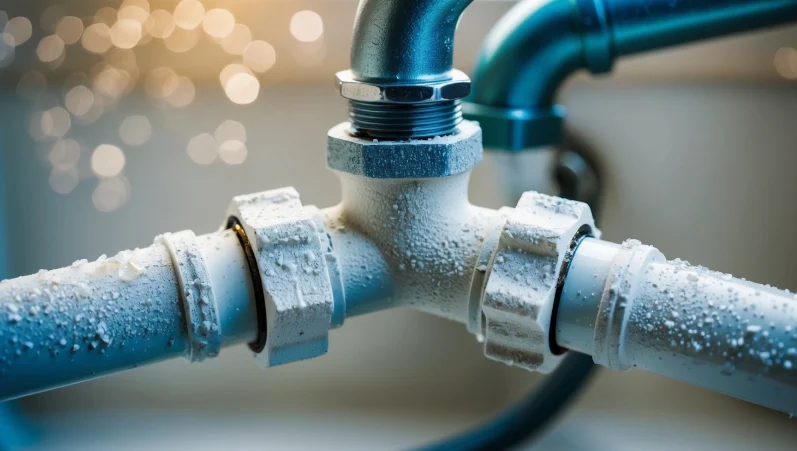
Hard water can contribute to slow draining in your bathroom sink due to mineral deposits. As water containing high levels of calcium and magnesium flows through your pipes, these minerals can accumulate over time, narrowing the pipe‘s diameter and restricting water flow. If you notice a white, chalky buildup around your faucets or drains, it’s likely that mineral deposits are affecting your plumbing. To address this issue, you may need to use a specialized descaling solution or consult a professional plumber for a thorough drain cleaning. In severe cases, a drain snake might be necessary to break up stubborn mineral deposits, restoring proper flow not only in your bathroom but also in your kitchen sinks.
Blocked Vent Pipes
Blocked vent pipes can cause slow draining in your bathroom sink, affecting not only the countertop area but potentially your toilet and other fixtures as well. These vents allow air to enter the plumbing system, facilitating proper water flow and preventing odors from entering your home. When vent pipes become obstructed, often due to debris or animal nests, you may notice gurgling sounds, slow drains, and unpleasant smells. In severe cases, this issue can impact your septic tank‘s performance. To address blocked vent pipes, you’ll likely need to call a professional rooter service to clear the obstruction and restore proper ventilation to your plumbing system.
Remove the Bathroom Sink Stopper
To fix a slow bathroom sink drain, start by removing the stopper. This process varies depending on the stopper type. You’ll learn about different stoppers, step-by-step removal techniques, and cleaning tips. Understanding these aspects helps you effectively address drain issues, potentially avoiding the need for a professional drain cleaner or vacuum-based solutions.
Understanding Different Stopper Types
Bathroom sink stoppers come in various types, each designed to control water flow and prevent debris from entering your drains. You’ll encounter pop-up, push-and-pull, lift-and-turn, and flip-it stoppers most commonly. Understanding these differences helps you effectively remove and clean your stopper, addressing slow sink drain issues without calling a professional. By maintaining your stopper and the area around your tap, you can prevent clogs and ensure smooth water flow, preserving the functionality of your pantry and bathroom plumbing system.
Step-by-Step Removal Process
To remove your bathroom sink stopper, first locate the lever or rod beneath the sink that controls it. Loosen the nut connecting this rod to the stopper, then gently pull the stopper out from the drain opening. Be cautious not to damage the vent pipe system while working under the sink. If you encounter stubborn buildup, avoid harsh chemical drain cleaners; instead, try boiling water or call for emergency plumbing assistance if needed.
Cleaning Tips for the Stopper
Once you’ve removed the stopper, clean it thoroughly to prevent future clogs and improve drainage. Use a mixture of baking soda and vinegar to dissolve any buildup on the stopper and surrounding pipe areas. For stubborn debris, gently scrub with an old toothbrush. If you notice any signs of a leak or persistent clogging after cleaning, consider calling a professional to inspect your sink‘s drainage system and ensure there are no underlying issues.
Utilize a Zip-It Tool for Effective Cleaning
A Zip-It tool is an effective solution for clearing slow bathroom sink drains caused by clogs. Learn how to properly use this tool, understand its benefits, and explore alternative options for similar results. By addressing drain issues promptly, you can prevent more serious plumbing problems and maintain optimal water flow in your sink.
How to Properly Use a Zip-It Tool
To properly use a Zip-It tool, insert it carefully into your sink drain, pushing it down as far as possible. Slowly pull the tool back up, allowing its barbs to catch hair, soap residue, and other debris causing the clog. This method effectively cleans your plumbing without relying on harsh chemical reactions. Repeat the process several times to ensure thorough removal of obstructions, paying attention to any resistance that might indicate a tree root or more serious blockage requiring professional attention.
Benefits of Using a Zip-It Tool
Using a Zip-It tool offers several advantages for addressing slow draining issues in your bathroom sink. This simple yet effective tool allows you to quickly remove hair, soap scum, and other debris causing the slow drain without the need for harsh chemicals or expensive plumbing fixtures. You can easily store the Zip-It tool in a bucket under your sink for convenient access whenever you notice a slowdown in water flow, making it a practical solution for maintaining your plumbing system’s health.
Alternative Tools for Similar Results
If you don’t have a Zip-It tool, several alternatives can help unclog your slow bathroom sink drain. A wire coat hanger, straightened and bent into a hook at one end, can effectively remove soap scum and hair. For tougher clogs, a plunger can create pressure to dislodge obstructions. Another option is a drain snake, which can reach deeper into the shower or sink drain to clear blockages. These tools offer similar results to a Zip-It, allowing you to maintain your drain‘s flow without calling a professional plumber.
Employ Chemical Drain Cleaners With Caution
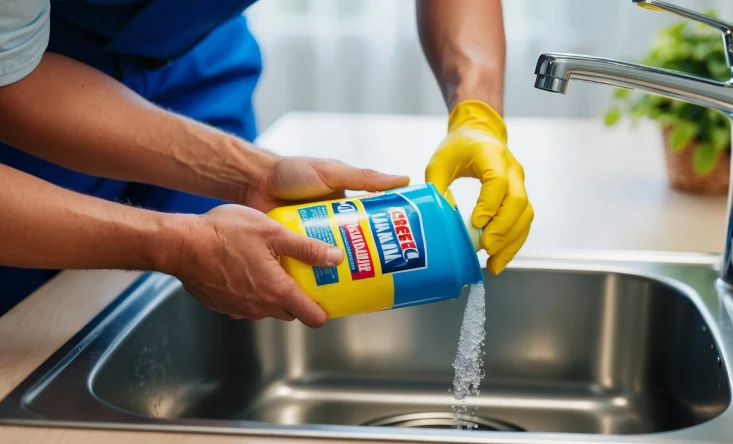
Chemical drain cleaners can be effective for clearing slow bathroom sink drains, but they require careful handling. Learn about different types of chemical cleaners, essential safety precautions, and eco-friendly alternatives. Understanding these aspects will help you make informed decisions when addressing drain issues, ensuring both effectiveness and safety in your plumbing maintenance efforts.
Types of Chemical Drain Cleaners
Chemical drain cleaners come in three main types: acidic, alkaline, and enzymatic. Acidic cleaners contain sulfuric or hydrochloric acid and work quickly but can damage pipes. Alkaline cleaners use lye or potash to create heat and dissolve organic matter. Enzymatic cleaners use bacteria or enzymes to break down organic materials, offering a gentler solution for your plumbing system.
Safety Precautions When Using Chemicals
When using chemical drain cleaners, prioritize safety by wearing protective gloves and eyewear to prevent skin and eye irritation. Ensure proper ventilation in your bathroom to avoid inhaling fumes. Read and follow the product instructions carefully, never mixing different chemicals as this can create dangerous reactions. After application, keep children and pets away from the treated area until the drain is thoroughly flushed with water.
Eco-Friendly Alternatives to Chemical Cleaners
Instead of harsh chemical cleaners, consider eco-friendly alternatives for your slow bathroom sink drain. A mixture of baking soda and vinegar can effectively break down organic matter without harming your pipes or the environment. Pour hot water down the drain, followed by 1/2 cup of baking soda, then 1/2 cup of vinegar. Cover the drain and let it sit for 15 minutes before flushing with more hot water. This natural solution often proves as effective as chemical cleaners for maintaining your plumbing system’s health.
Use a Plunger to Dislodge Blockages
Using a plunger can effectively dislodge blockages in your slow bathroom sink drain. Learn how to choose the right plunger for your sink, master proper plunging techniques, and avoid damaging your plumbing. These tips will help you tackle clogs safely and efficiently, restoring proper water flow to your bathroom sink.
Choosing the Right Plunger
When choosing a plunger for your bathroom sink, opt for a cup-style plunger with a smaller rubber cup that fits snugly over the drain opening. This type provides better suction and is more effective for sinks than larger toilet plungers. Ensure the plunger‘s cup is in good condition, without cracks or tears, to maintain proper suction. A high-quality plunger can be a valuable tool in your plumbing maintenance kit, helping you quickly address minor clogs without the need for professional assistance.
Plunging Techniques for Optimal Results
To effectively use a plunger on your bathroom sink, first ensure there’s enough water in the sink to cover the plunger‘s cup. Place the plunger over the drain, creating a tight seal. Push down firmly and pull up quickly, repeating this motion several times to create suction and dislodge the clog. After plunging, run hot water to check if the drain flows freely. If the clog persists, repeat the process or consider using a drain snake for deeper blockages.
Tips for Avoiding Damage to Plumbing
When using a plunger on your bathroom sink, take care to avoid damaging your plumbing. Apply gentle but firm pressure, avoiding excessive force that could stress pipe joints or connections. Before plunging, remove any standing water and cover the overflow hole with a damp cloth to create better suction. If the clog persists after several attempts, don’t continue plunging forcefully; instead, consider alternative methods or seek professional help to prevent potential pipe damage.
Consider Professional Assistance for Persistent Issues

When DIY methods fail to resolve your slow bathroom sink drain, it’s time to consider professional help. Learn to recognize signs that indicate a plumber‘s expertise is needed, understand the costs associated with professional services, and discover the importance of regular maintenance for optimal drain health. These insights will help you make informed decisions about your plumbing needs.
Signs You Need a Plumber’s Help
If you’ve tried various DIY methods and your bathroom sink drain remains slow, it’s time to call a professional plumber. Signs that indicate you need expert help include persistent clogs that don’t respond to plunging or drain snakes, gurgling sounds from the drain, foul odors, or water backing up into other fixtures. You should also seek professional assistance if you notice water leaking around the base of your sink or if multiple drains in your home are slow simultaneously, as these issues may indicate more serious problems within your plumbing system that require specialized tools and expertise to resolve.
Costs Associated With Professional Services
Professional plumbing services for persistent drain issues typically range from $100 to $250, depending on the complexity of the problem and your location. This cost often includes a diagnostic fee and the labor for standard drain cleaning. For more severe clogs or issues requiring pipe repair, you might face higher charges. Remember to ask for a detailed estimate before work begins and inquire about any potential additional costs to avoid surprises.
Importance of Regular Maintenance for Drain Health
Regular maintenance is crucial for preserving your bathroom sink‘s drain health. Schedule annual professional inspections to catch potential issues before they become major problems. Between inspections, perform monthly maintenance by pouring a mixture of hot water and vinegar down the drain to dissolve buildup. This proactive approach can prevent slow drains, extend the lifespan of your plumbing system, and save you money on costly repairs in the long run.
Conclusion
Addressing a slow bathroom sink drain promptly is crucial for maintaining proper plumbing function and preventing more severe issues. By understanding common causes like hair accumulation, soap scum buildup, and mineral deposits, homeowners can effectively tackle these problems using various methods such as removing the stopper, utilizing a Zip-It tool, or cautiously employing chemical cleaners. Regular maintenance and proper cleaning techniques play a vital role in preventing slow drains and extending the lifespan of your plumbing system. When DIY methods fail, seeking professional assistance ensures that persistent issues are resolved efficiently, safeguarding your home’s plumbing health and potentially saving you from costly repairs in the future.