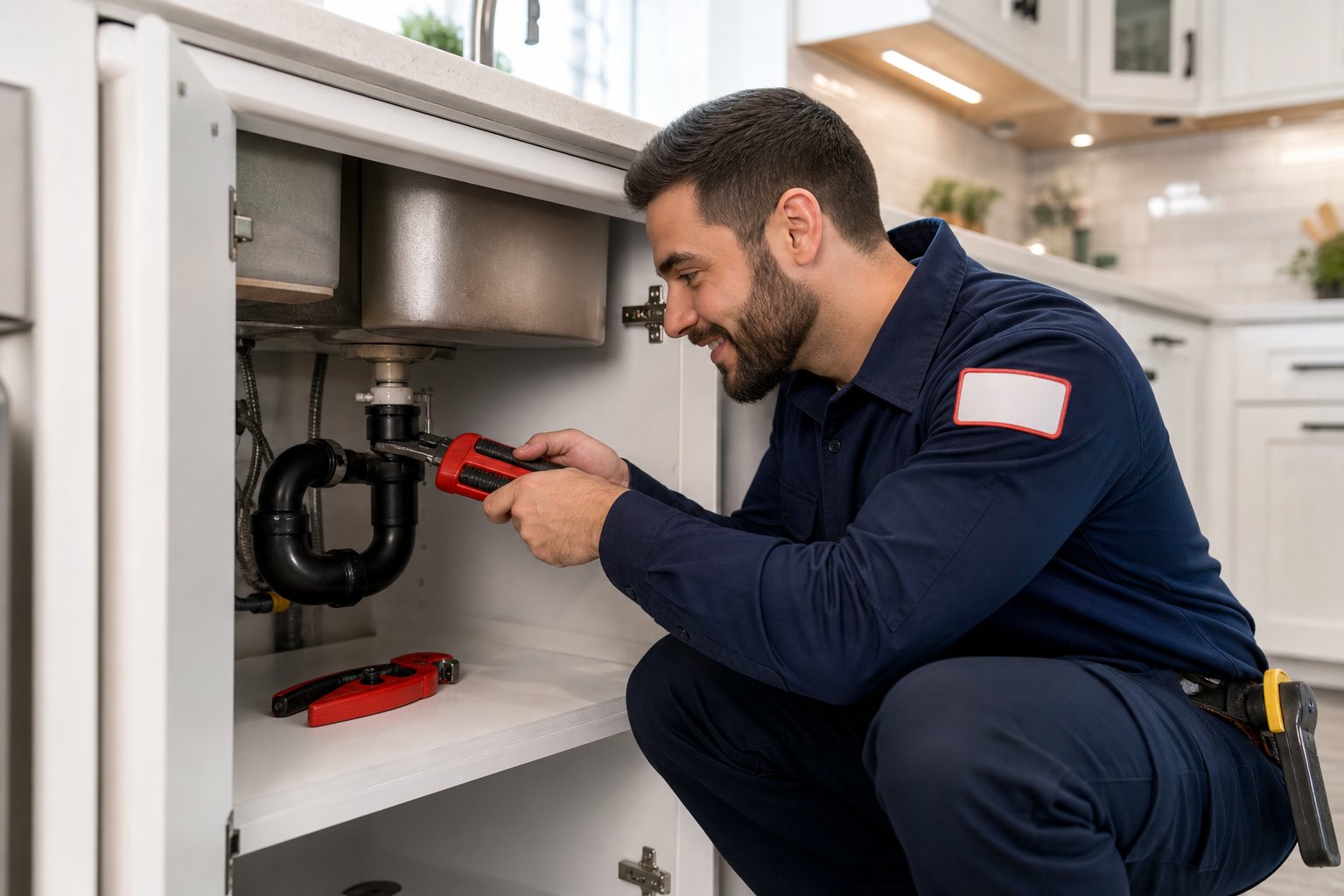
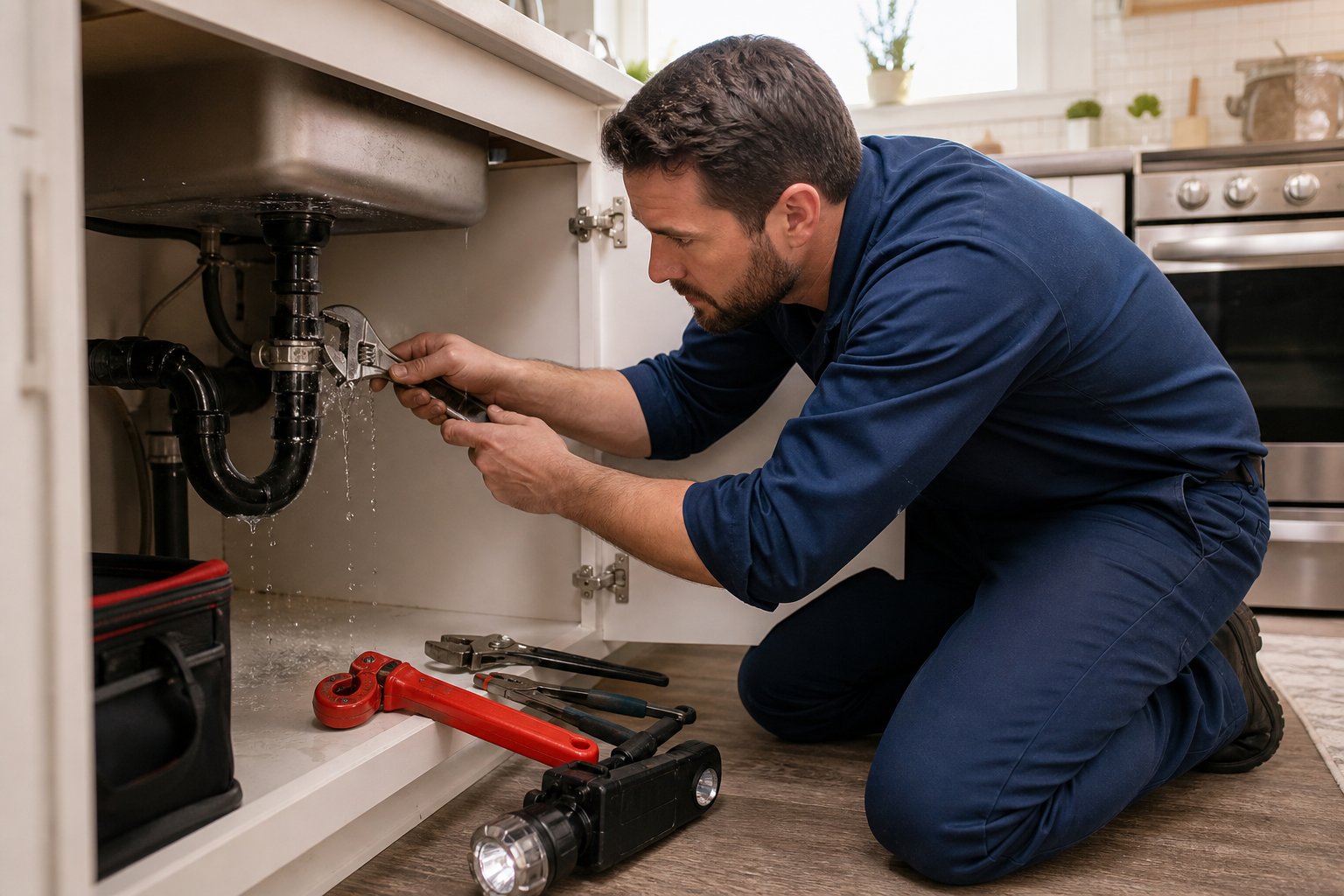
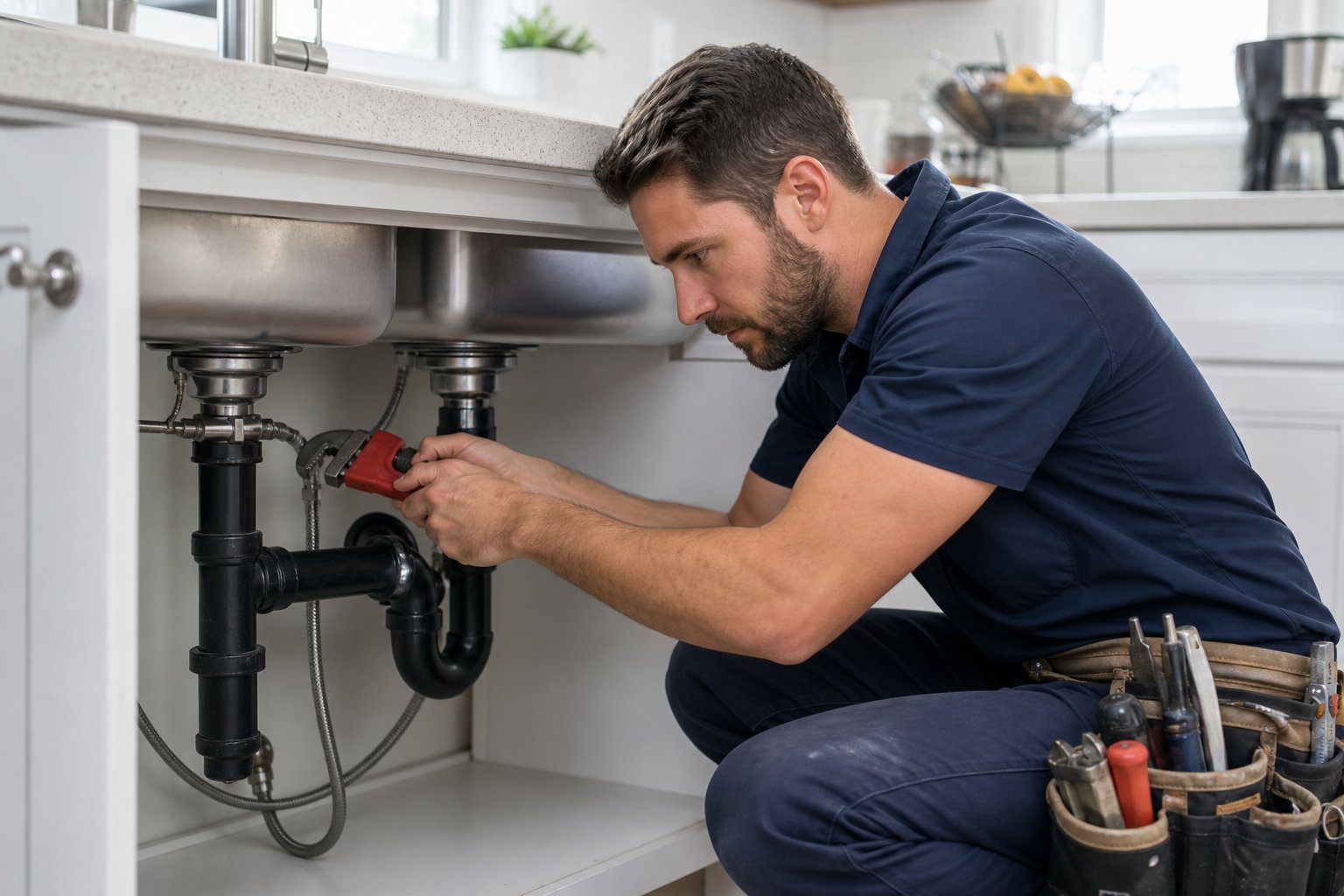
Running out of hot water in the middle of a shower or while washing dishes isn’t just annoying—it can really throw off your day. When this happens, it’s a clear sign something’s off with your water heater.
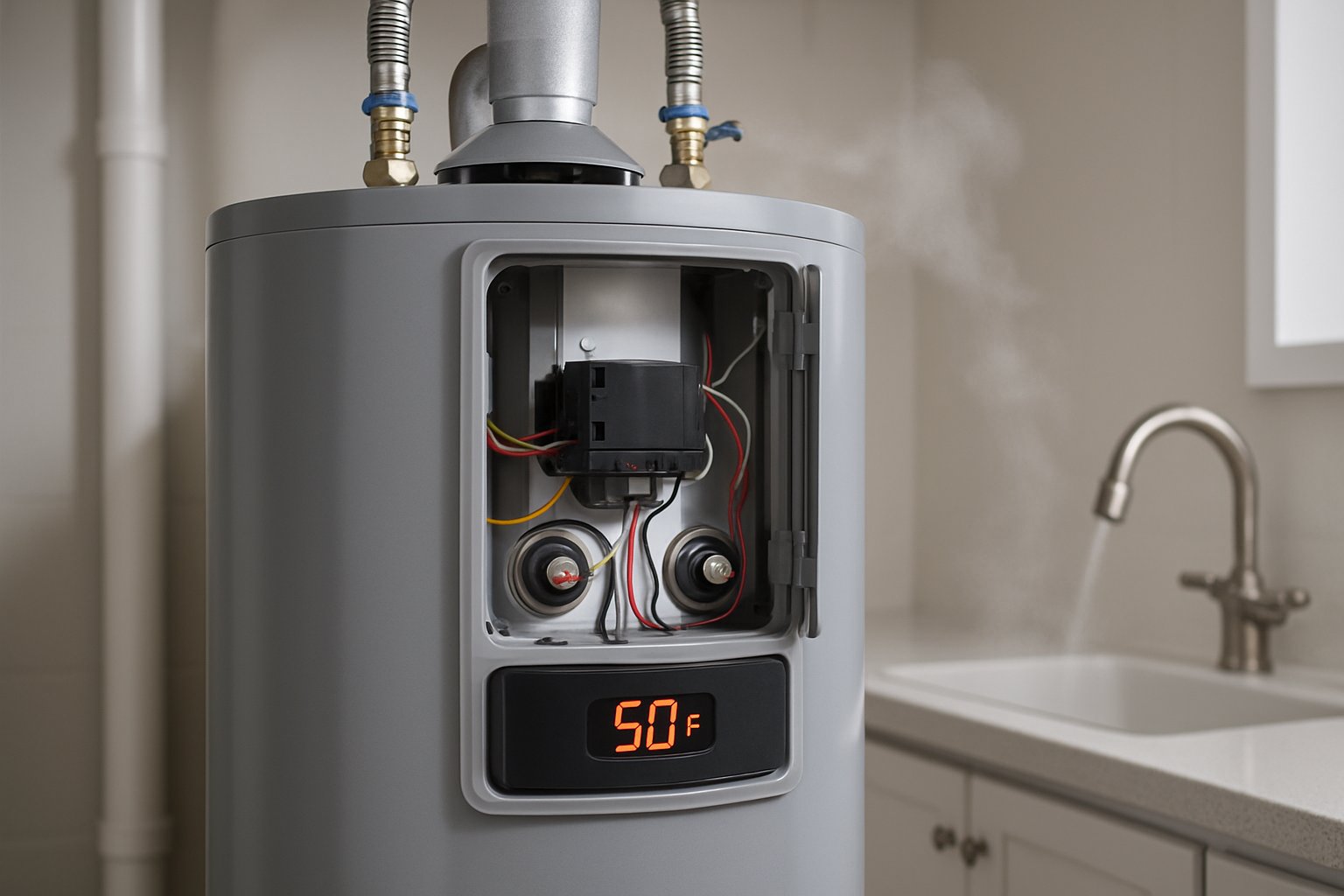
If your hot water heater runs out of hot water fast, it’s usually because of sediment buildup, broken heating elements, a tank that’s too small, or a busted dip tube that lets cold water mix in. Figuring out which issue is at play helps you decide if you need maintenance, a repair, or maybe a new unit.
Most of these problems are avoidable with some regular care. You’d be surprised how much difference a little attention can make.
Key Takeaways
- Hot water shortages usually come from sediment, faulty parts, or a water heater that’s just too small for the home
- Regular tasks like flushing the tank and checking heating elements stop most hot water headaches before they start
- Some problems need a pro, especially with old heaters or major failures
Understanding Why Hot Water Heaters Run Out of Hot Water
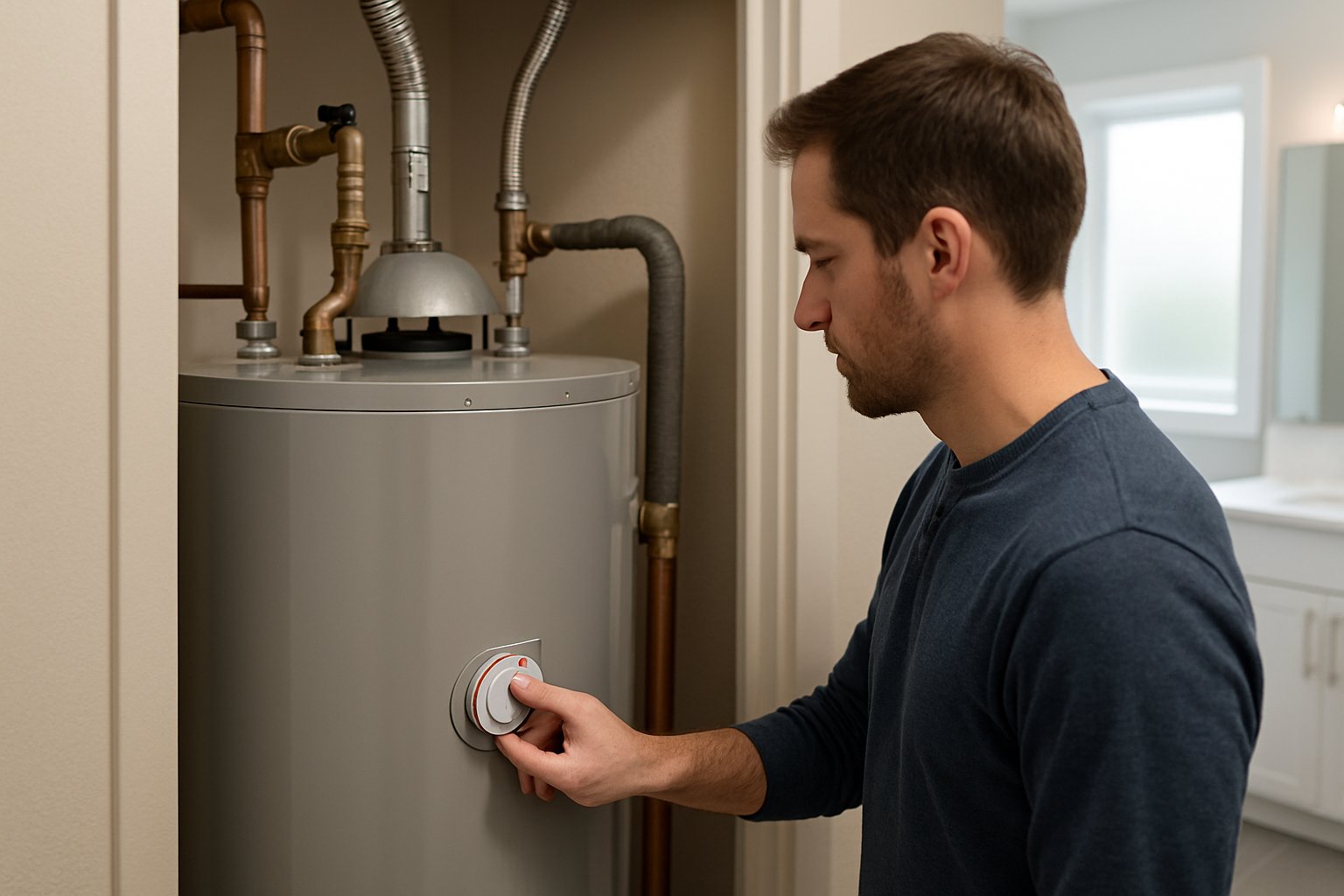
Water heaters run out of hot water when you use it faster than the unit can heat or store it. Sometimes, internal problems slow down how well the system works.
The type of heater, its size, and how quickly it heats water all matter. If your household uses a lot of hot water at once, the heater might not keep up.
How Water Heaters Work
A tank water heater stores and heats water in a big insulated tank. Cold water enters through a dip tube that sends it to the bottom, right by the heat source.
Gas heaters use a burner at the bottom. Electric ones have heating elements inside the tank. Hot water rises to the top, ready for you when you turn on a tap.
A thermostat keeps an eye on the temperature and tells the heater when to turn on. Most are set to 120°F, which is safe and efficient. As you use hot water, cold water flows in and the cycle starts again.
Common Types of Water Heaters
Conventional tank water heaters are everywhere. They hold 30 to 80 gallons and keep it hot all day, but once the tank’s empty, you have to wait.
Tankless water heaters heat water as you need it. You’ll never run out, but if several people use hot water at once, the flow might not keep up.
Electric water heaters heat slower—usually about 20 gallons per hour. Gas heaters recover faster, anywhere from 30 to 70 gallons per hour, depending on the model.
Hot Water Capacity Versus Demand
Tank size tells you how much hot water you get right away. Recovery rate is how fast the heater can make more.
A 40-gallon tank works for two people, but a family of five will run it dry fast. If everyone showers, runs the dishwasher, and does laundry at once, you’ll run out in no time.
Recovery rate really matters when people take showers back-to-back. Gas heaters recover faster, so they’re better for big families or heavy use.
Capacity guidelines by household size:
- 1-2 people: 30-40 gallons
- 3-4 people: 40-50 gallons
- 5+ people: 50-80 gallons
High-flow showerheads and modern appliances can make you use more hot water than you’d expect. A ten-minute shower can use 25 gallons—more if you like it long and hot.
Most Common Causes for Running Out of Hot Water
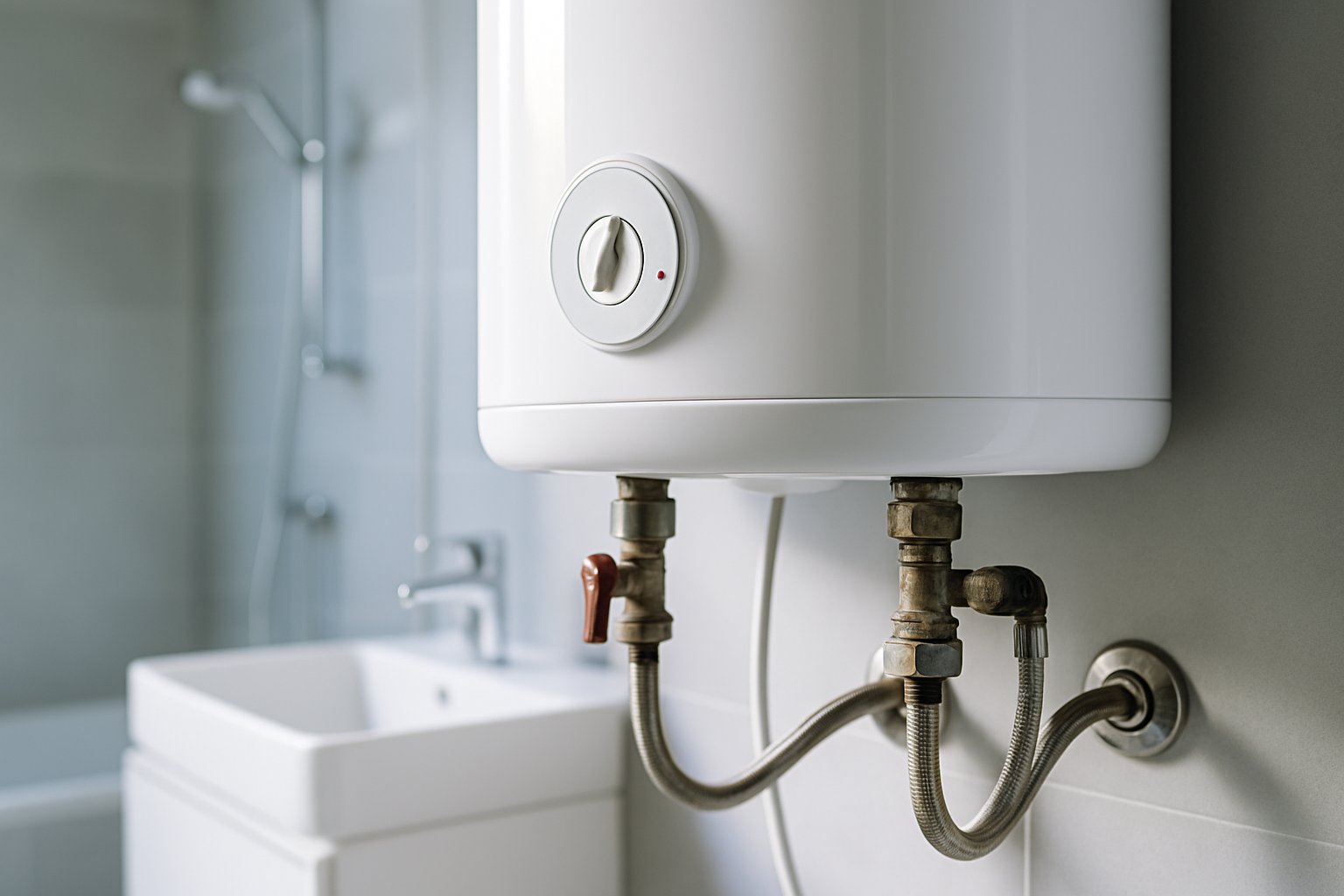
Plenty of things can make your water heater run out of hot water fast. Sometimes it’s how you use it, other times it’s a problem with the heater itself.
High Hot Water Demand
When several people use hot water at once, the tank drains faster than it can heat more. If you run the shower, dishwasher, and washing machine together, you’ll run out pretty quickly.
A 50-gallon tank usually gives you enough for one or two showers before it needs to reheat. If three or four people shower back-to-back, you’ll be waiting for hot water.
Long showers don’t help either. A ten-minute shower can use 20-25 gallons. Teenagers or lots of guests? Expect the heater to struggle during busy times.
Capacity Mismatch
If your water heater is too small, it can’t keep up. A family of four usually needs at least a 50-gallon tank. The First Hour Rating (FHR) is a better guide than just looking at the tank size.
Put a 40-gallon tank in a home with five people, and you’ll run out of hot water all the time. Heaters with slow recovery rates make you wait even longer between uses.
Sometimes, the only answer is to upgrade to a bigger tank or switch to a tankless system.
Thermostat Setting Issues
If the thermostat’s set too low, you’ll get lukewarm water that runs out fast. 120°F is the sweet spot for most homes. Anything under 110°F probably won’t cut it for showers or dishes.
Sometimes the thermostat just isn’t reading right. Grab a thermometer and check the water at a faucet to see if it matches what’s set. Adjust in small steps and give it half an hour to settle before you check again.
Electric heaters have two thermostats—one for each element. If one fails, you’ll get less hot water. Gas models use a single thermostat, and if it’s faulty, the water won’t heat right.
Old or Aging Water Heater
Most water heaters last 10-15 years. Over time, sediment builds up and makes the heater less efficient. The system works harder, but you still get less hot water.
Old heaters also have worn-out elements, bad thermostats, or broken dip tubes. If the dip tube breaks, cold water mixes with the hot at the top, so your taps run cooler. Hard water just makes everything wear out faster.
If you keep fixing your heater and your bills are creeping up, it’s probably time for a new one.
Mechanical and Maintenance Issues Impacting Hot Water Supply
Mechanical failures and worn-out parts can shrink your hot water supply. Sometimes, you’ll notice the water turns lukewarm just a few minutes after you open the tap.
A broken dip tube lets cold water mix at the top of the tank, and busted heating elements or burners mean the water never gets as hot as it should.
Broken Dip Tube Symptoms
If your hot water goes lukewarm almost right away, the dip tube might be broken. This tube pushes cold water to the bottom of the tank so it gets heated. When it cracks or breaks, cold water sneaks in at the top and cools everything down.
Finding small white plastic bits in your faucet aerators or showerheads is a telltale sign—the dip tube is falling apart inside the tank. If your shower starts hot but goes cold in a hurry, that’s another clue.
This problem pops up most in heaters that are 6 to 10 years old. Replacing the dip tube means draining the tank and pulling out the cold water inlet. It’s not tricky, but you have to turn off the power or gas first.
Heating Element or Burner Failures
When an electric water heater’s element fails, the water just won’t get hot enough. Most have two elements—upper and lower. If the lower one goes, you’ll get a little hot water, then nothing but cold.
You can check the element with a multimeter. If it shows 10 to 30 ohms, it’s good. Zero or infinite means it’s shot and needs replacing.
Gas heaters use a burner and pilot light. If the pilot won’t stay lit or the burner won’t fire up, you won’t get much hot water. Usually, a bad thermocouple is the culprit. A weak flame or slow ignition can mean dirt buildup or a failing gas valve.
Always turn off the power or gas before you start repairs. Don’t skip that step.
Sediment Build-Up and Water Quality Concerns
Hard water minerals settle at the bottom of the tank, building up sediment that takes away space for hot water. The heater has to work harder, and you might notice the water quality isn’t great either.
Impact of Sediment Accumulation
Sediment crowds out hot water and makes the heater less efficient. Minerals like calcium and magnesium pile up at the bottom and form a thick layer between the heating element and the water.
This layer forces the heater to stay on longer to reach the right temperature. That means higher energy bills, too.
Common problems from sediment include:
- Rumbling or popping noises when the heater runs
- Longer waits for hot water at the tap
- Cloudy or discolored water when you first turn on a faucet
- Less hot water during showers or when using multiple fixtures
Sediment can also create hot spots near the element, while the rest of the tank stays cooler. That leads to water temperature swings at your faucets and showers.
Hard Water Problems
Hard water has lots of dissolved minerals that speed up sediment build-up in water heaters. If you live in a hard water area, you’ll probably notice sediment collecting faster than in homes with soft water.
When the heater warms hard water, minerals drop out and settle at the bottom. More minerals mean this layer grows even faster.
A water heater in a hard water area might need flushing once or twice a year instead of every few years.
Signs of hard water affecting the heater:
- White or crusty deposits on faucets and fixtures
- Soap that doesn’t lather well
- Spots on dishes and glassware
- Faster sediment accumulation requiring frequent maintenance
Adding a water softener cuts down mineral content before water reaches the heater. This helps slow down sediment and keeps the unit running efficiently.
If you use well water or have heavy minerals, a sediment filter on the main water line adds extra protection.
Checking Water Pressure and Plumbing Factors
Sometimes water pressure and plumbing issues keep hot water from getting to your fixtures, even if the heater itself is fine. Low pressure or hidden leaks can make it seem like you’re running out of hot water way too fast.
Low or Fluctuating Water Pressure
Low water pressure slows hot water movement through pipes and cuts down flow at taps and showers. It can feel like the heater is empty, even though the tank actually has enough hot water.
Common causes include:
- Partially closed shut-off valves on hot water lines
- Clogged aerators or showerheads that restrict flow
- Corroded or mineral-blocked pipes in older homes
- Pressure regulators set too low or malfunctioning
You can check aerators by unscrewing them and cleaning out any gunk. Try testing pressure at a few different fixtures to see if the problem is just one spot or the whole house.
Use a pressure gauge on an outdoor faucet for a baseline—normal residential pressure usually falls between 40 and 60 psi.
If pressure still stays low after these checks, a professional plumber should take a look at the pressure regulator and inside the pipes. They’ll figure out if corrosion or sediment is blocking things up and whether pipes need to be cleaned or replaced.
Plumbing Leaks and Improper Installation
Leaks in hot water lines waste heated water before it even gets to you. Small leaks in walls, under slabs, or close to the heater quietly drain supply and bump up your energy bills.
Signs of leaks include:
- Water stains on ceilings, walls, or floors
- Unexplained increases in water bills
- Damp spots near the heater or along pipe runs
- Warm areas on floors above hidden pipes
Bad installation can also mess with hot water delivery. Things like reversed hot and cold connections, pipes that are too small, or missing insulation can cause slowdowns and temperature drops.
A plumber can check connections, hunt for hidden leaks with special gear, and make sure pipes are the right size and material for your home.
Troubleshooting, Repairs, and When to Replace Your Water Heater
Most hot water shortages have simple fixes, but some need a pro or mean your unit’s on its last legs.
Simple Checks and Usage Adjustments
First, check the circuit breaker—it might have tripped. Flip it all the way off, then back on. If the heater has a red reset button by the thermostat, press it after shutting off the power at the breaker.
Temperature settings matter. Both thermostats should sit at 120°F or just under. Too low, and you won’t get enough hot water. Too high, and you’re wasting energy (and risking burns).
Sediment at the tank’s bottom shrinks how much hot water the heater can hold. Draining and flushing the tank clears this out. Just hook up a garden hose to the drain valve, open the pressure relief valve and the drain, and let it all flow out.
How you use hot water makes a difference, too. Shorter showers, spacing out laundry and dishwashing, and not running everything at once helps keep you from running out.
When to Call a Plumber
Some repairs are just too tricky or risky for most homeowners. Failed heating elements mean the heater only makes a little hot water, or it’s just not hot enough. Fixing this means draining the tank and messing with electrical parts.
Brown, yellow, or red water points to internal corrosion. A plumber can swap out the anode rod, which protects the tank from rust. If your water smells like rotten eggs, you’ve probably got bacteria growing inside the tank.
A leaking pressure relief valve can sometimes be replaced by a handy homeowner, but if you’re unsure, let a plumber tackle it. Loose connections at the top of the tank might just need a wrench, but if leaks keep coming back, call in a pro.
Signs You Need a Replacement
Water heaters usually last 8 to 12 years. If yours is older, it’s time to plan for a new one—even if it’s still running. Efficiency drops, and breakdowns get more likely as the years add up.
If you spot water leaking from the tank’s sides, that’s a sign of cracks or corrosion. These tanks can’t be repaired safely—they need to be replaced right away. Turn off power and water, drain the tank, and wait for your new unit.
If your heater is too small for your family, you’ll always run out of hot water. Upgrading to a bigger tank solves this for good. Major problems like broken control valves or widespread corrosion mean it’s smarter to replace the whole thing than keep patching it.
Frequently Asked Questions
Water heaters run out of hot water because of sediment buildup, broken parts, the wrong size tank, or high demand. Recovery times range from 30 to 90 minutes, depending on the type and size of the heater.
What are common reasons for a water heater to run out of hot water?
Sediment buildup eats up the usable space inside the tank. Minerals from hard water settle at the bottom and block the heating element.
If the water heater’s too small, it just can’t keep up. A family of four needs about a 50-60 gallon tank. Smaller households can usually get by with 40 gallons.
Broken heating elements in electric heaters mean the water never gets hot enough. Most electric models use two elements that work together.
A cracked dip tube lets cold water mix with hot at the top, so you end up with lukewarm water instead of hot.
Thermostat settings below 120°F make the heater work overtime. If it’s too low, you’ll use more hot water trying to get comfortable.
How long should it take for a water heater to recover after hot water runs out?
Gas water heaters recover in about 30-40 minutes for a full tank. They heat 20-25 gallons per hour, thanks to higher BTUs.
Electric models take longer—usually 60-90 minutes for a full recovery. They heat about 15-20 gallons per hour.
Heat pump water heaters are slowest at 2-4 hours, heating just 10-15 gallons an hour, but they use less energy.
Tank size matters. A 40-gallon tank recovers faster than an 80-gallon one with the same heating power.
Sediment buildup really drags out recovery time. The mineral layer makes it harder for the element to heat the water.
Why is my water heater producing lukewarm water instead of hot?
The most common reason is a broken dip tube. It’s supposed to send cold water to the bottom, but if it breaks, cold water mixes with the hot at the top.
In electric heaters, a failed lower heating element causes this too. The upper element only heats a little water, and the lower one never finishes the job.
Thermostats set below 110°F give you water that just feels lukewarm. The sweet spot is 120°F.
If everyone’s using hot water at once, the supply just can’t keep up. Simultaneous showers and appliances eat up what’s there.
Older water heaters—past 10 or 12 years—tend to lose their heating punch and can’t keep water as hot as they used to.
Can a failing heating element cause a water heater to run out of hot water?
If the lower heating element fails, you’ll notice your hot water supply drops fast. The upper element only heats the top part, so you get a few minutes of hot water—then it’s gone.
Electric heaters need both elements working. If one goes out, the tank can’t heat up all the water.
Heating elements usually last 6-10 years, but hard water can kill them sooner.
A multimeter test can tell you if the elements are working. No electrical resistance means it’s burned out and needs to be swapped.
Signs of a bad element include water that never gets fully hot and hot water that runs out fast. These problems tend to show up suddenly.
What maintenance can be done to prevent a water heater from running out of hot water?
Flush the tank every year to clear out sediment. Drain several gallons until the water runs clear to get rid of minerals.
Check thermostat settings to keep them at 120°F. That’s enough for hot water and energy savings.
Replace the anode rod every 3-5 years to stop corrosion. This metal rod draws in corrosive stuff before it can damage the tank.
Test the pressure-relief valve once a year to make sure it works. A stuck valve can cause pressure problems and mess with heating.
Look for leaks around the tank and connections. Even small leaks make the system work harder and waste hot water.
How does tank size affect the duration of hot water supply in a water heater?
Tank size sets the total hot water you can use in one go. A 40-gallon tank usually covers 1-2 people, but if you’ve got 4 or 5 in the house, you’ll want something in the 60-80 gallon range.
How many folks live with you? And how do you use hot water? Both matter when picking a tank.
If you’ve got a 30-gallon tank, expect about 20 minutes of shower time. With a 50-gallon tank, you’ll get roughly 40 minutes before it goes cold.
Smaller tanks get overwhelmed fast during peak times. Think about those mornings when everyone tries to shower one after the other—the hot water just disappears.
If your tank’s too small, it just can’t keep up, no matter how well you take care of it.