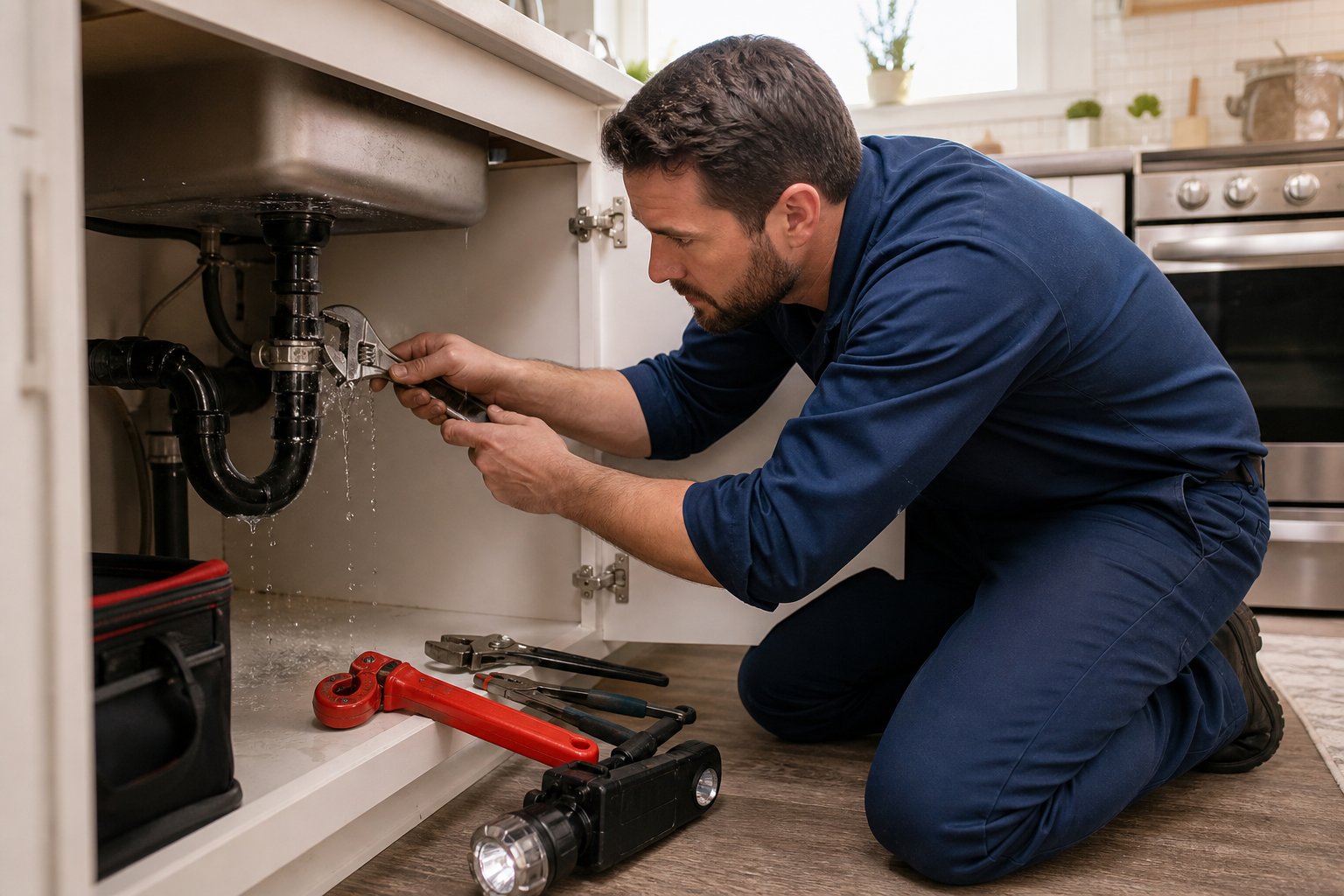
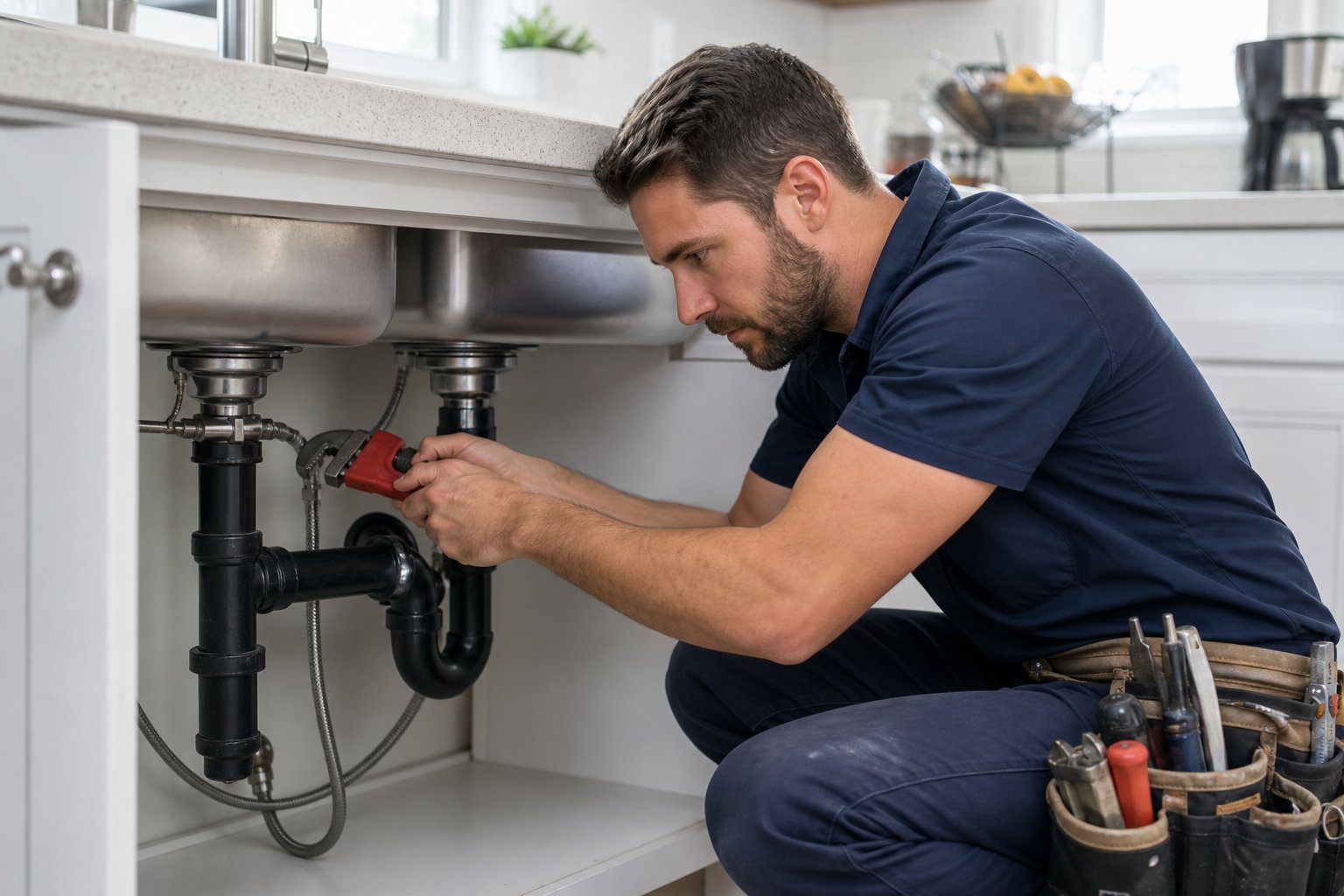
You need fast, clear help when a drain slows or smells in North Richland Hills. Whether it’s a kitchen sink, shower, or main sewer line, you can fix the problem faster when you know which local methods work and when to call a pro.
If a drain keeps backing up or drains very slowly, get professional drain cleaning in North Richland Hills to avoid bigger damage and higher repair costs.
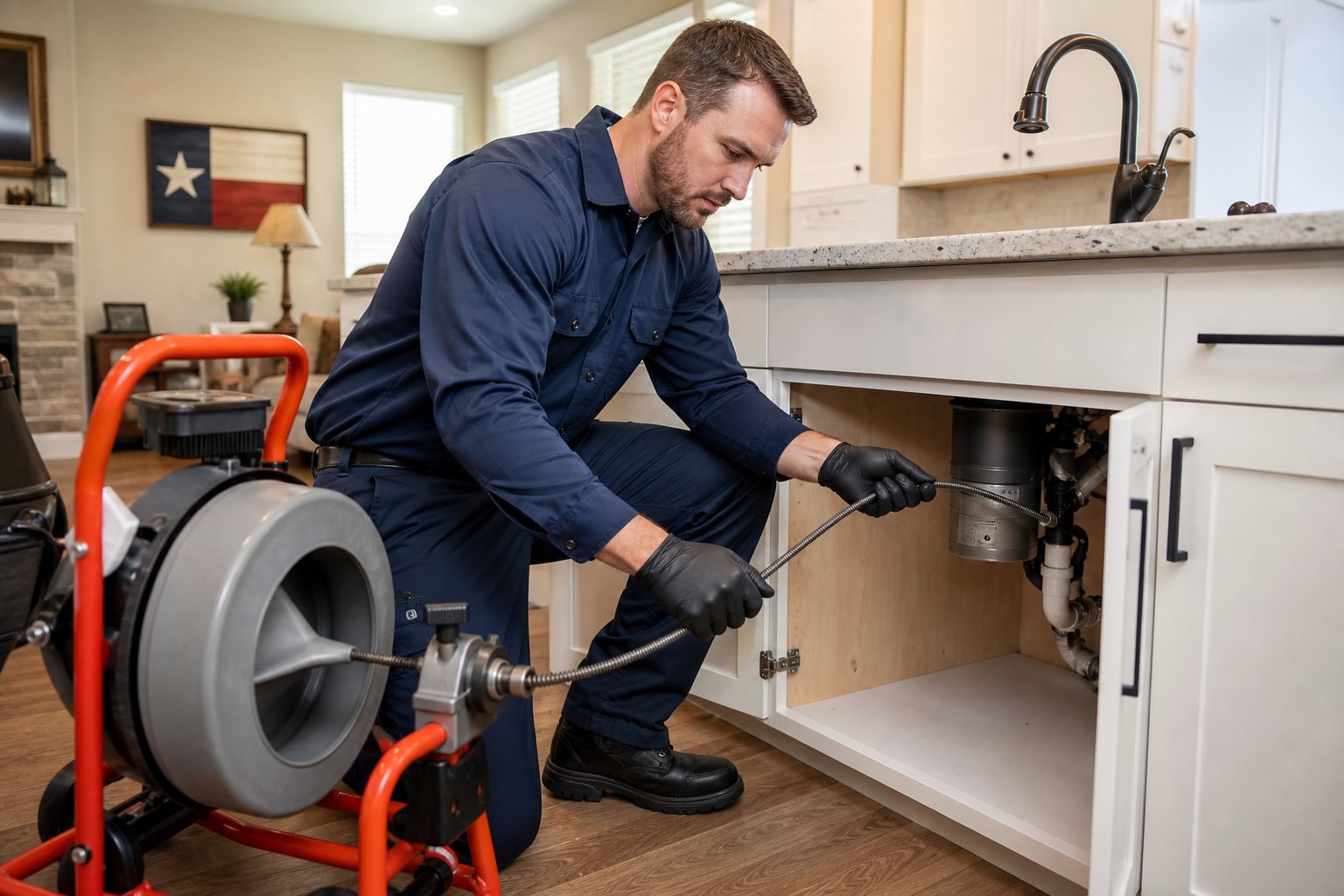
This post shows common causes, safe DIY steps you can try, and the proven professional options used by local plumbers. You’ll learn what tools and services to expect, how much work often costs, and how to pick a trusted local team so the job gets done right.
Key Takeaways
- Know the usual causes of slow or clogged drains in North Richland Hills.
- Try simple, safe steps first, but choose professional cleaning for persistent or recurring clogs.
- Pick a licensed local service that uses video inspection or hydro jetting when needed.
Common Drain Issues in North Richland Hills
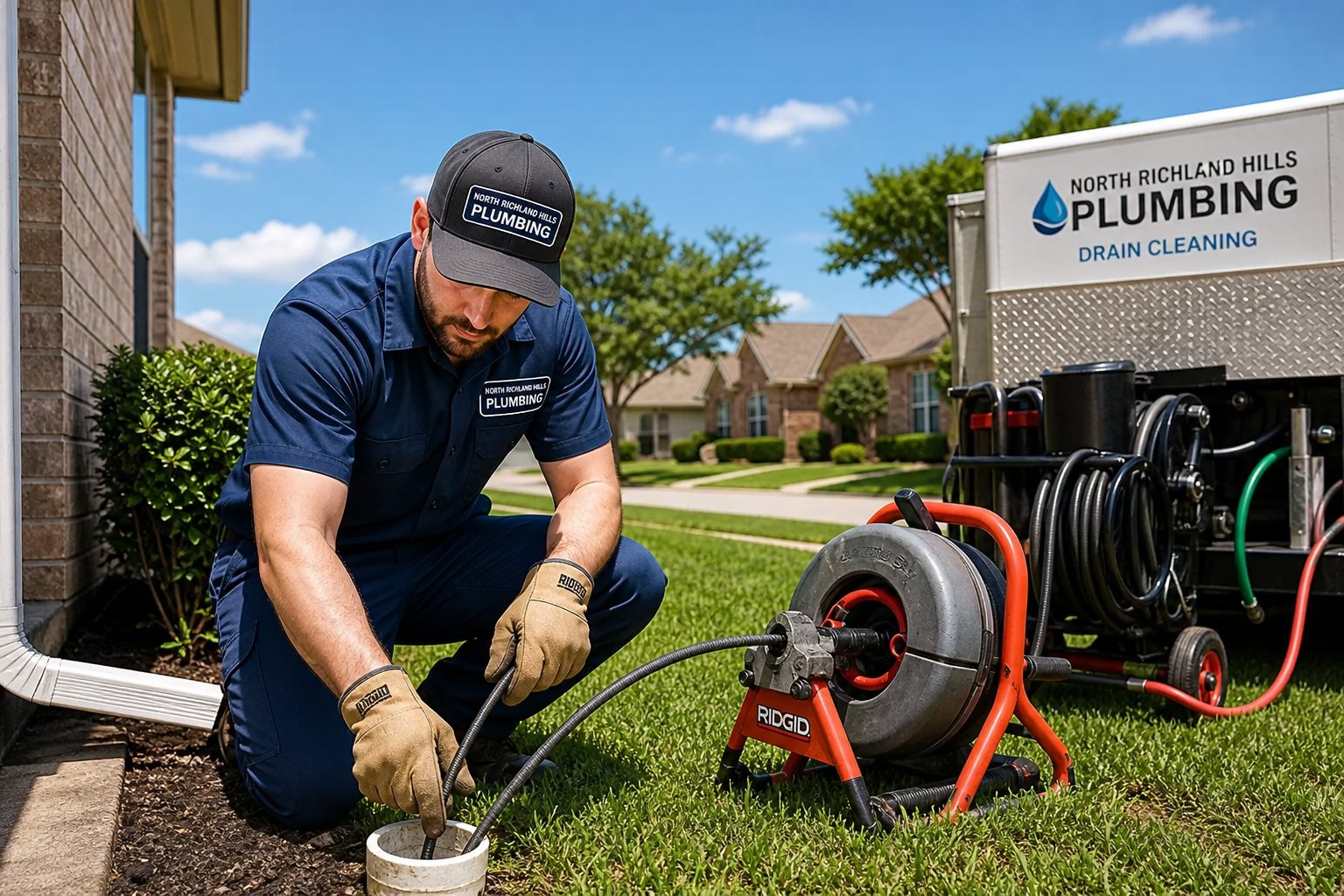
You will see slow drains, bad smells, and backups when pipes start to fail. Knowing the signs and common causes helps you act fast and avoid water damage or sewer problems.
Identifying a Clogged Drain
A clogged drain usually starts as a slow-draining sink or shower. If water pools or drains in small steps instead of flowing smoothly, that is a clear sign.
Hair, soap scum, and food bits often block bathroom and kitchen traps. If the clog sits deeper, you may notice standing water in floor drains or a tub that only empties after long pauses.
Toilets that need multiple flushes or that overflow with little use point to a stronger blockage. Look for strong odors near drains or gurgling sounds in other fixtures when you run water.
These indicate trapped waste or partial sewer backups. Use a plunger first for toilets and sinks, and avoid chemical cleaners that can damage pipes.
If plunging doesn’t work, call a pro to inspect the drain and clear the blockage safely.
Causes of Slow Drains and Overflows
Grease and cooking oil are top causes of kitchen sink clogs. When fats cool, they cling to pipe walls and narrow the flow.
Food scraps, coffee grounds, and eggshells add to the buildup over time. Bathroom drains slow from hair, skin oil, and soap.
Hard water minerals can stick to these materials and make clogs worse. Toilets overflow when paper or foreign objects block the trap or when the main sewer line has slow flow.
Tree roots or collapsed pipes in the main line can cause backups that show up as recurring toilet overflows and sewer smells. Regularly clean grease traps, avoid flushing non‑flushable items, and install drain strainers to reduce risk.
Recognizing Recurring Clogs and Gurgling Sounds
Recurring clogs mean the problem is deeper than a simple trap clog. If your kitchen sink clears but clogs again within days, you may have a partial blockage in the branch or main sewer line.
That can cause slow drains in several fixtures at once. Gurgling sounds in toilets or showers when other fixtures run point to trapped air moving through narrowed pipes.
This often happens with partial sewer line backups or poor venting. If you see sewage backup in floor drains or multiple fixtures back up together, treat it as a main sewer line issue.
Professionals use camera inspections and hydro-jetting to find root intrusion and clear heavy grease. Address recurring issues quickly to avoid health hazards and costly repairs.
Why Professional Drain Cleaning Matters
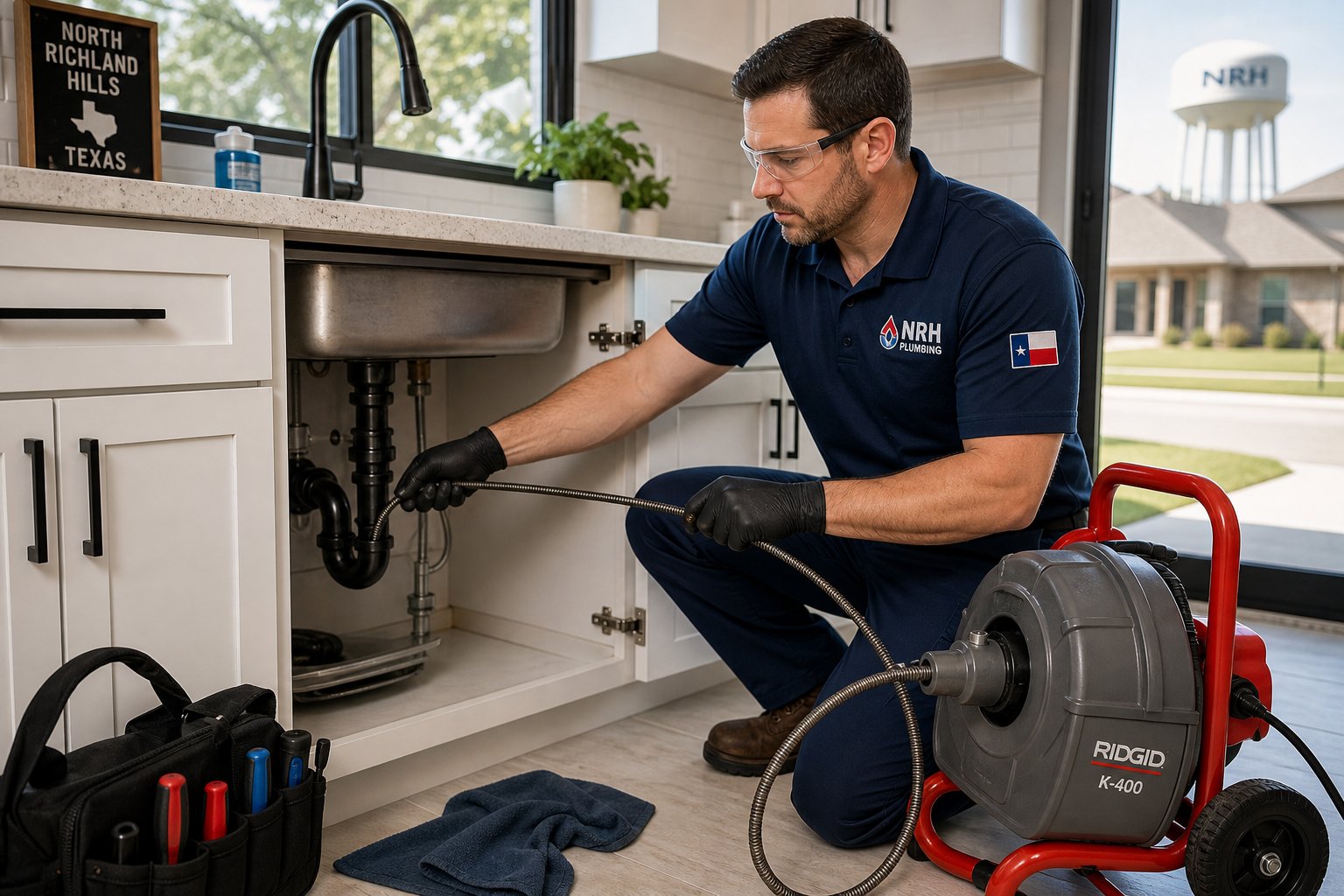
Professional drain cleaning removes tough clogs and protects your pipes, home, and health. You get trained technicians, proper tools, and safer methods than store-bought chemicals.
Dangers of Chemical Drain Cleaners
Chemical drain cleaners may clear a clog quickly, but they can damage pipes and harm you. The strong acids and bases in many products can corrode older cast-iron and worn PVC joints.
If your home has older plumbing common in parts of Tarrant County, this risk rises. Chemicals can also react with residues and create heat or splashes.
That can burn skin, eyes, or breathing passages if you mishandle them. If a chemical fails, a licensed plumber may need to cut out and replace a section of pipe—raising the drain cleaning cost well above a professional service call.
If you call a plumbing service, technicians use camera inspections and mechanical or hydro-jetting tools that clear buildup without corrosive chemicals. That protects pipe walls and limits future clogs.
Health and Safety Benefits
Hiring professional drain cleaning services reduces your exposure to hazardous substances and hidden biofilms. Clogs trap food, grease, and sewage that breed bacteria and attract pests.
A trained technician removes this organic buildup and cleans the pipe interior to lower odors and insect issues. Technicians wear proper protective gear and follow safety protocols when handling sewage or trapped water.
They also test vents and traps to make sure sewer gas stays out of your living spaces. This matters if you or someone in your home has asthma or a weak immune system.
Professional teams can spot signs of leaks or mold during inspection. That early detection can prevent long-term health problems linked to damp walls or contaminated water.
Protecting Homes and Plumbing Systems
You save money and avoid emergencies when you invest in professional drain cleaning. Regular service stops slow drains from becoming full backups that flood basements or damage floors.
Technicians use cameras to find root intrusions, scale, or collapsed pipe sections so repairs target the real problem. A licensed plumber will recommend the right frequency—often every 12–24 months for homes, or more for restaurants.
They can also offer trenchless main-line repairs when needed, which reduces yard damage and labor costs. Ask about written estimates to compare drain cleaning cost and service details before the job.
Choosing a reputable local company ensures quick response times in North Richland Hills and surrounding Tarrant County. That protects fixtures, lowers repair bills, and keeps water flowing properly in your home.
Effective Drain Cleaning Techniques
You need clear, direct methods that remove blockages and protect pipes. The right technique depends on pipe size, clog type, and whether the main sewer line or a fixture drain is affected.
Drain Snaking and Augering
Drain snaking uses a flexible metal cable with a cutting tip to break up clogs inside your pipe. For sink and toilet clogs, a hand or power snake can reach the obstruction and either pull it out or cut it into pieces.
A professional auger handles larger lines and can reach deeper into main sewer lines than consumer tools. Expect minimal water mess and fast results for hair, paper, and small debris.
Snaking does not remove grease or scale from pipe walls, so clogs can recur. If the cable meets strong resistance or the clog returns, technicians often follow snaking with a camera inspection to check for damage or root intrusion.
Hydro Jetting for Deep Cleaning
Hydro jetting uses high-pressure water to blast away grease, scale, hair, and tree roots from pipe interiors. Technicians run a nozzle through the line that sprays water backward to push debris out and forward to clean the pipe walls.
This method restores nearly full pipe diameter, so it reduces future blockages more than snaking alone. Hydro-jetting suits main sewer line cleaning and commercial kitchens with heavy grease.
It can harm fragile or old pipes, so professionals first assess pipe condition with a camera. Hydro jetting is a standard hydro jetting service offered by many local plumbers when scale, sludge, or root intrusion causes repeated backups.
Video Camera Inspection for Diagnosis
A video camera inspection sends a waterproof camera into your drain to show the clog’s exact location and cause. You get a live view of cracks, collapsed sections, misaligned joints, roots, or the clog itself.
This prevents guesswork and lets the technician choose the safest, most effective cleaning—snaking, hydro jetting, or a targeted repair. Use camera inspection before any aggressive cleaning on long or buried lines.
It confirms whether pipe cleaning succeeded afterward and documents conditions for trenchless options if the sewer line needs repair. You’ll know where to focus repairs and whether you need main sewer line cleaning or only a fixture-level service.
Preventing Future Drain Problems
Keep drains flowing and avoid backups by scheduling regular care, watching what goes down drains, and tackling local issues like tree roots and hard water before they become damage.
Routine Drain Maintenance
You should set a schedule for basic drain care to catch clogs early. Run hot water down kitchen and bathroom drains weekly to clear light grease and soap film.
Use a hair catcher in showers and a mesh strainer in sink drains to stop hair, food, and large particles from entering pipes. Do a monthly safe-clean routine: pour a cup of baking soda, then a cup of white vinegar into the drain, wait 15 minutes, then flush with hot water.
That helps break up light buildup without using harsh chemicals. If a sink or tub slows, use a hand auger (drain snake) before the clog worsens.
Plan professional cleaning once a year for most homes. If you notice recurring slow drains, gurgling, or odors, call a plumber for camera inspection and cleaning.
Regular professional service reduces the chance of emergency repairs and keeps sewer lines moving.
Managing Tree Root Infiltration and Mineral Buildup
Tree roots seek moisture and can invade sewer lines through small cracks. Watch for wet or unusually green spots in your yard, frequent clogs, or sewage smells; these signs point to root intrusion.
Trim or remove trees that sit directly over sewer lines when possible, and avoid planting new large-root species near your sewer path. If roots are present, a plumber can perform a camera inspection to locate the entry points.
Options include mechanical root cutting and targeted hydro-jetting to clear roots, or trenchless repair (pipe lining or replacement) to stop re-entry. Regular inspections every 1–3 years help catch roots early and prevent pipe collapse.
Mineral buildup from hard water narrows pipes over time. Professional hydro-jetting removes scale and restores full flow.
Consider a water softener to reduce future mineral deposits on fixtures and inside pipes. Softening water lowers the long-term need for aggressive cleaning.
Addressing Hard Water Concerns
Hard water leaves mineral deposits that slow drains and reduce pipe diameter. Test your water hardness with a kit or check local reports to know how serious the issue is.
If hardness runs high, you’ll likely see white scale on faucets and reduced flow. Frequent fixture maintenance may also be needed.
Install a whole-house water softener or a point-of-use softener for areas with the worst buildup. A softener exchanges calcium and magnesium for sodium or potassium, which prevents scale from forming inside pipes.
Combine softening with yearly professional drain cleaning to remove existing scale and keep lines clear. For immediate scale removal, plumbers use high-pressure hydro-jetting or mechanical descaling tools.
Ask for a camera inspection after cleaning to confirm scale removal and to plan any needed follow-up, such as a water softener installation or more frequent maintenance.
Choosing a Local Drain Cleaning Service
Focus on verified credentials, clear emergency hours, and the specific neighborhoods and access points a company covers in North Richland Hills and nearby Tarrant County. Pick a team that inspects with cameras, offers hydro-jetting when needed, and explains pricing before work begins.
Selecting Licensed Professionals
You should hire licensed plumbers who carry current Texas plumbing licenses and local business registration. Licensing shows they passed trade exams and follow state plumbing codes.
Ask for license numbers and verify them with the Texas State Board or local city records. Look for companies that carry liability insurance and worker’s compensation.
This protects you if a technician is injured or your property is damaged during drain cleaning services. Get proof of insurance in writing before work begins.
Check reviews that mention professional drain cleaning, camera inspections, or hydro-jetting. Prefer providers who explain causes and offer a written estimate.
Understanding Emergency and 24/7 Service Options
You need a provider that clearly states emergency drain cleaning and 24/7 emergency drain service availability. Confirm typical response times for nights and weekends.
Some companies list guaranteed arrival windows; get that in writing if a fast response matters to you. Ask whether emergency calls carry after-hours or dispatch fees.
Compare flat-rate options versus hourly billing for emergency clogged drain repair. Flat rates often reduce surprise costs during late-night calls.
Find out if the company brings diagnostic tools on emergency runs, such as video cameras and hydro-jetting units. Technicians who can inspect and clear a line on the first visit save you time and repeat service fees.
Service Coverage in North Richland Hills and Tarrant County
Confirm the company serves your exact address in North Richland Hills and other parts of Tarrant County. Some providers focus on city limits only, while others list wider county service areas and rural neighborhoods.
Verify coverage before scheduling. Ask about exterior cleanout access and whether a free camera inspection is included for main-line work.
Companies that list local experience often know common local issues, like tree-root intrusions in certain neighborhoods. Compare local providers’ service promises, like same-day appointments, no-upsell policies, or flat-rate drain cleaning from a published price.
If you want options, check one local page that highlights emergency and routine drain services for North Richland Hills.
Frequently Asked Questions
This section gives clear answers about costs, warning signs, response time, clearing methods, sewer-line options, and the 135 rule. You’ll get specific actions, typical price ranges, and when to call a pro.
How much does professional drain cleaning typically cost?
Typical basic drain snaking runs from about $100 to $300 for a single fixture.
Hydrojetting or sewer main cleaning usually costs between $300 and $800, depending on pipe length and buildup.
Emergency calls or camera inspections can add $100–$300 more. Prices vary by company and the complexity of the job in North Richland Hills.
What are the signs that a clogged drain needs professional service?
Slow drainage that won’t clear after DIY attempts is a clear sign.
Frequent clogs at multiple fixtures suggest a main line or sewer problem.
Gurgling noises, foul sewer odors, or sewage backup into drains or toilets mean you should call a plumber right away.
How quickly can a plumber respond for an urgent drain backup?
Many local plumbers offer same-day service and some provide 24/7 emergency response.
For urgent sewage backup, expect a response window from one to a few hours with emergency teams.
Call a licensed plumber immediately if raw sewage is present or water is backing into the home.
What methods do plumbers use to clear tough drain clogs?
Plumbers commonly use powered drain augers (snakes) to break and extract clogs.
Hydrojetting sends high-pressure water through the pipe to remove grease, scale, and roots.
Technicians often run a camera inspection to locate the clog and check pipe condition before and after cleaning.
What is the easiest and safest way to clear a sewer line blockage?
The safest professional method is hydrojetting performed by a licensed technician.
Hydrojetting clears roots, grease, and scale without harmful chemicals and restores pipe flow.
Avoid chemical drain cleaners for main sewer lines; they can damage pipes and harm septic systems.
What does the 135 rule mean in plumbing, and when does it apply?
The 135 rule refers to a guideline for drain slope and fixture distance that affects venting and flow.
It helps determine when additional venting or different pipe routing is required in a drain layout.
Plumbers use it during new installations or major remodels to meet local code.