Effective Solutions for a Sluggish Sink Drain
Is your sink draining slower than usual? A sluggish sink drain can be frustrating and disruptive to your daily routine. This guide will provide you with effective solutions to tackle this common household problem. You’ll learn practical methods to clear blockages, from using simple tools to creating homemade cleaners. By following these steps, you can restore your sink‘s proper drainage and prevent future clogs, saving you time and potential plumbing expenses.
Best Solutions for a Sluggish Sink Drain

Consider using a natural drain cleaner to address your sluggish sink drain. These eco-friendly solutions can effectively break down organic matter without harming your pipes. Pour the cleaner into the drain and let it sit for the recommended time before flushing with hot water.
If the cleaner doesn’t work, try using a plunger to create pressure and dislodge the clog. Place the plunger over the drain opening, ensuring a tight seal, and plunge vigorously several times. This method can often clear minor blockages in the pipe.
For stubborn clogs, you may need to remove and clean the P-trap. This U-shaped pipe section under your sink often collects debris. Place a bucket beneath the trap, unscrew it, and clear out any buildup. If these methods fail, contact a professional plumber to check for more serious issues like tree root intrusion.
Clear Out Debris Using a Drain Zip Tool
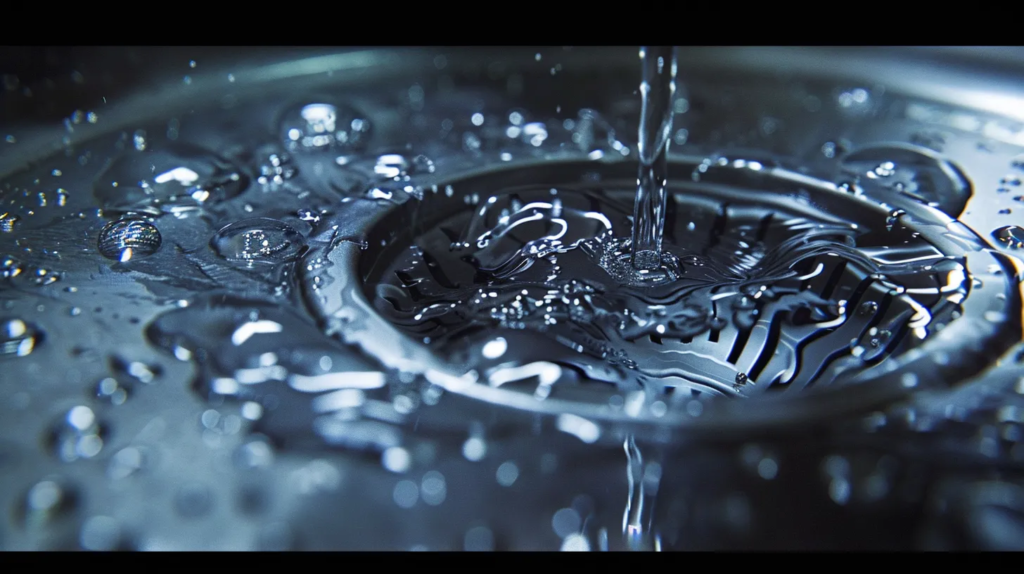
If your sink drains slowly, a drain snake or zip tool can effectively remove stubborn clogs. These flexible, barbed tools are designed to reach deep into pipes, snagging and extracting debris that causes blockages.
Insert the zip tool into the drain opening and gently push it down the pipe. As you encounter resistance, twist the tool to help it navigate bends and catch onto the clog. Once you feel the obstruction, carefully pull the tool back up to remove the debris.
This method is particularly useful for removing accumulations of hair, soap residue, and mineral deposits that often cause slow drains. After using the zip tool, flush the drain with hot water to clear any remaining debris and ensure smooth water flow.
Clean the Stopper to Improve Drainage
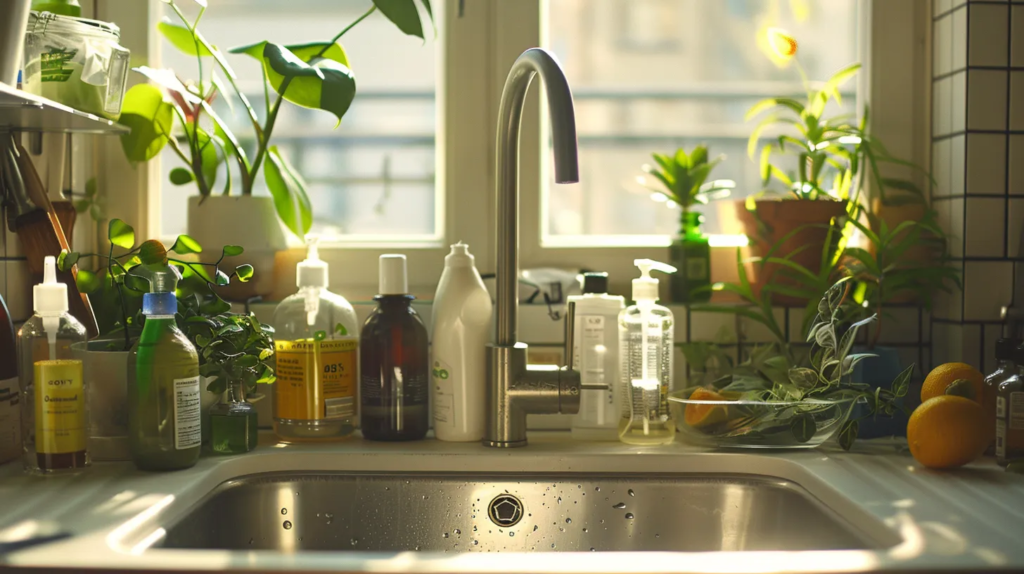
Examine your sink stopper for debris buildup, a common cause of slow drains. Remove the stopper and clean off any accumulated hair, soap scum, or grime. Use a mixture of vinegar and baking soda to dissolve stubborn residue.
After cleaning, inspect the stopper mechanism for signs of wear or damage. Replace worn parts to prevent leaks and ensure proper function. A well-maintained stopper helps prevent clogs and improves overall drain performance.
If your drain remains sluggish after cleaning the stopper, consider using eco-friendly drain cleaners or a boiling water flush. These methods can effectively clear minor blockages without resorting to harsh chemicals that may damage your pipes.
Create a Homemade Drain Cleaner

Create an effective homemade drain cleaner using common household items to tackle your sluggish sink drain. Learn tips for using this eco-friendly solution safely and efficiently. Watch our video guide to see how baking soda can clear drains without harsh chemicals. These methods can save you from calling a professional plumber for minor clogs.
Tips for Effective Use
When using homemade drain cleaners, prioritize safety and effectiveness. Pour the mixture directly into the drain, avoiding splashes that can cause corrosion. Allow the chemical reaction to work for at least 30 minutes before flushing with hot water. If the clog persists, use a plunger to create pressure and dislodge stubborn blockages. While these methods are gentler than chemical drain cleaners, they still require caution during home improvement projects.
Video Guide on Using Baking Soda for Drains
Watch our informative video guide to learn how baking soda can effectively clear your drains without harsh chemicals. You’ll see a master plumber demonstrate the proper technique for using this natural solution to improve drainage in your home. The video shows you how to mix baking soda with vinegar, creating a powerful reaction that breaks down soil and other debris causing slow draining. By following these expert tips, you can maintain your plumbing system and avoid costly repairs.
Address the Sink Overflow to Enhance Flow

Check your sink‘s overflow opening for debris accumulation. This often-overlooked part of your bathroom plumbing can contribute to slow drainage. Clean the overflow thoroughly using a mixture of warm water and mild soap to remove buildup.
Use a small brush or cloth to scrub the overflow opening gently. This action helps dislodge any stuck-on grime or soap scum that may be impeding water flow. Ensure you rinse the area well after cleaning to prevent residue from causing further issues.
If standard cleaning doesn’t improve flow, consider using a drain cleaner specifically designed for overflow openings. Apply the product according to the manufacturer’s instructions, being careful not to damage your sink‘s finish. Regular maintenance of the overflow can prevent many common drainage problems.
Utilize a Plunger for Quick Results

Use a plunger to quickly address your sluggish kitchen sink drain. Ensure there’s enough water in the sink to cover the plunger‘s rubber cup, creating a tight seal. Plunge vigorously for 20-30 seconds to create suction and dislodge the clog.
For double sinks, plug the other drain to maximize vacuum pressure. If your sink has an overflow opening, cover it with a damp cloth to enhance suction. This method can often clear minor blockages without disrupting your home’s water supply system.
After plunging, run hot water to flush the drain and check for improved flow. If the sink remains sluggish, you may need to try other methods or contact a professional plumber. Remember, addressing drain issues promptly can prevent more severe plumbing problems that might affect your water or air conditioning systems.
Employ a Snake to Clear Stubborn Blockages
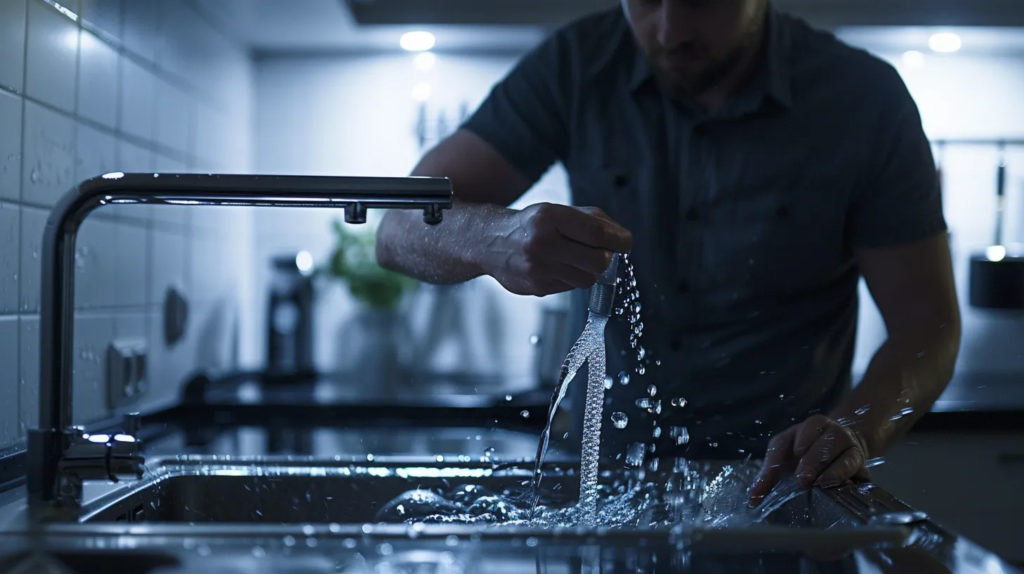
When a plunger fails to unclog your sink, use a plumbing snake to tackle stubborn blockages. This flexible tool can navigate through pipes, breaking up or retrieving obstructions like soap scum or hair that cause slow drains.
Insert the snake into the drain opening and gently push it through the pipe. When you encounter resistance, rotate the tool to help it navigate bends and snag the clog. Once you feel the obstruction, carefully pull the snake back to remove the debris.
After using the snake, flush the drain with hot water to clear any remaining particles. If your home uses a septic tank or has recurring sewage issues, consider having a professional inspect your plumbing system to prevent future blockages.
Maintain the P-Trap for Optimal Performance
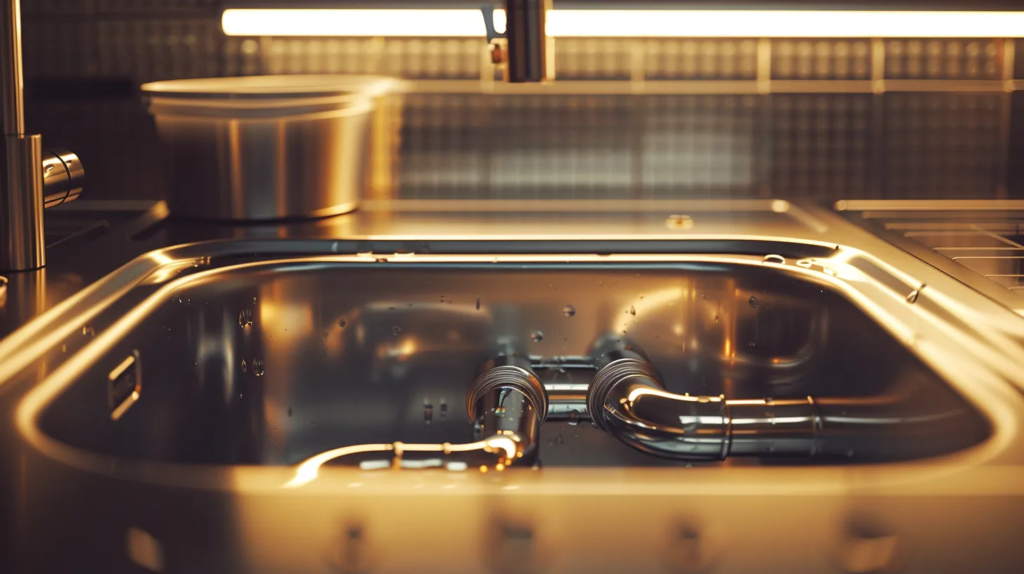
Regularly clean your sink‘s P-trap to prevent sluggish drains. This U-shaped pipe beneath your sink collects debris that can impede water flow. Place a bucket under the P-trap, unscrew it, and remove any buildup to maintain optimal performance.
Inspect the P-trap for signs of wear or damage while cleaning. A damaged P-trap can lead to leaks and affect your water heating system’s efficiency. If you notice any issues, contact a professional plumber to replace the P-trap and ensure proper installation.
After cleaning, reassemble the P-trap carefully to prevent leaks. Run water through the sink to check for proper drainage and ensure no leaks occur. Regular maintenance of your P-trap can prevent costly plumbing issues and keep your sink functioning smoothly.
Strategies to Prevent a Sluggish Sink Drain
Install a drain strainer to catch hair, food particles, and other debris before they enter your pipes. Clean the strainer regularly to maintain optimal water flow and prevent clogs from forming in your sink drain.
Avoid pouring grease, oil, or coffee grounds down your sink. These substances can solidify and accumulate in pipes, leading to blockages. Dispose of these materials in the trash or compost bin instead.
Run hot water through your sink after each use to help flush away soap residue and prevent buildup. For bathroom sinks, use cold water after shaving to solidify any remaining shaving cream, making it easier to wash away.
Conclusion
Addressing a sluggish sink drain promptly is crucial for maintaining a functional and hygienic plumbing system. By employing various methods such as natural cleaners, plungers, drain snakes, and regular maintenance of P-traps and overflows, homeowners can effectively resolve minor blockages without resorting to harsh chemicals. Proper care and preventive measures, including the use of drain strainers and avoiding the disposal of problematic substances, can significantly reduce the occurrence of slow drains. Taking a proactive approach to drain maintenance not only ensures smooth water flow but also prevents more severe plumbing issues, potentially saving homeowners from costly repairs and inconveniences.