Tankless water heaters have really changed the way we handle hot water at home. Their energy efficiency and compact design make them a popular choice, but people still ask if these systems need the same expansion tank setup as old-school tank water heaters.
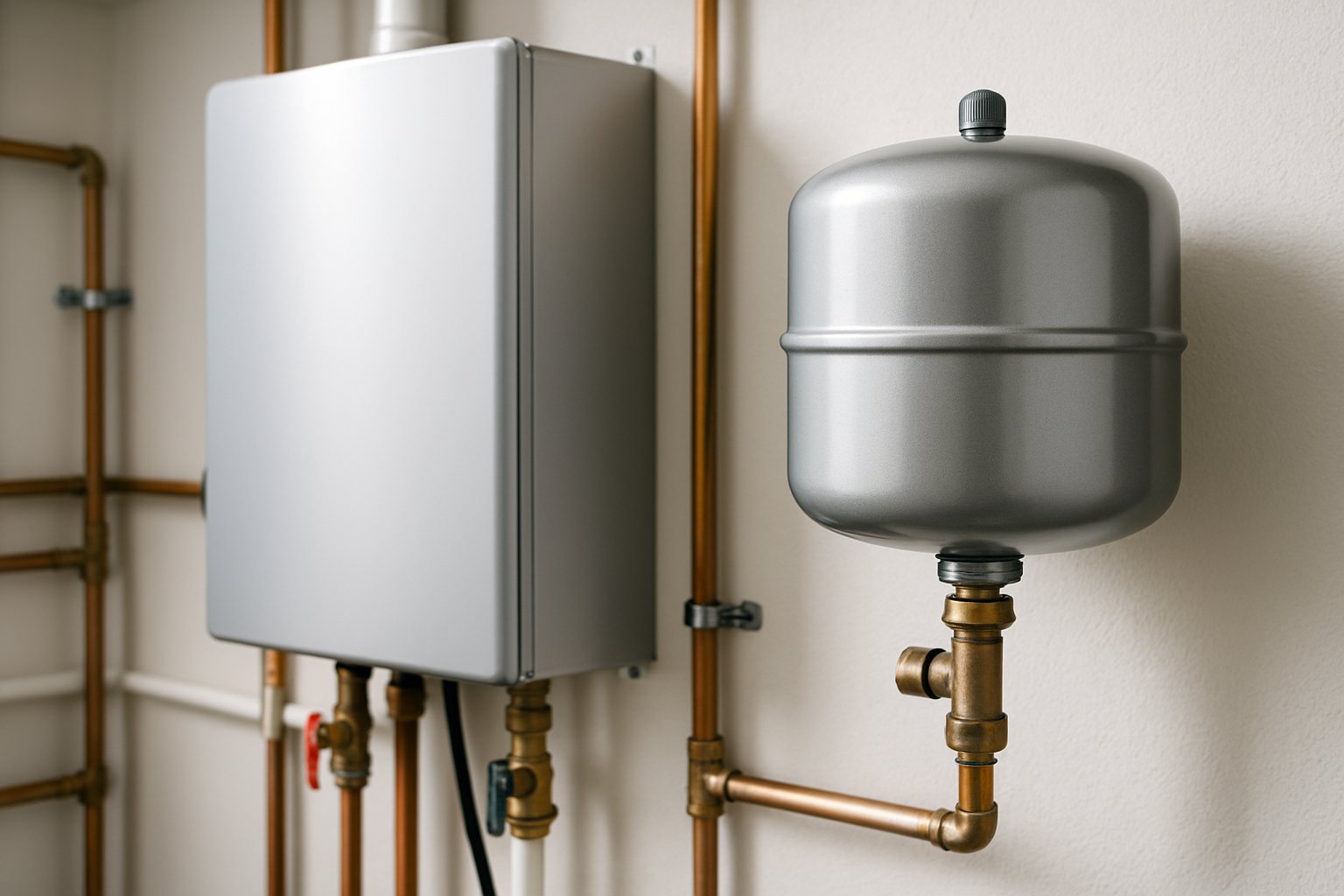
Most tankless water heaters don’t need expansion tanks because they heat water on-demand instead of storing it. This design eliminates the thermal expansion pressure that comes with tank systems.
When you turn on a hot water tap, the tankless unit heats the water instantly. It stops heating as soon as you turn off the tap.
But there are some important exceptions. Tankless systems with storage tanks or recirculation pumps usually require expansion tanks, and some plumbing setups might need them too.
Knowing when you need an expansion tank can save you money and help avoid plumbing headaches.
Key Takeaways
- Standard tankless water heaters don’t require expansion tanks because they heat water on-demand without storage
- Systems with recirculation pumps or storage tanks do need expansion tanks to manage pressure buildup
- Proper installation and maintenance of expansion tanks when needed protects your plumbing system from damage
What Is a Tankless Water Heater Expansion Tank?
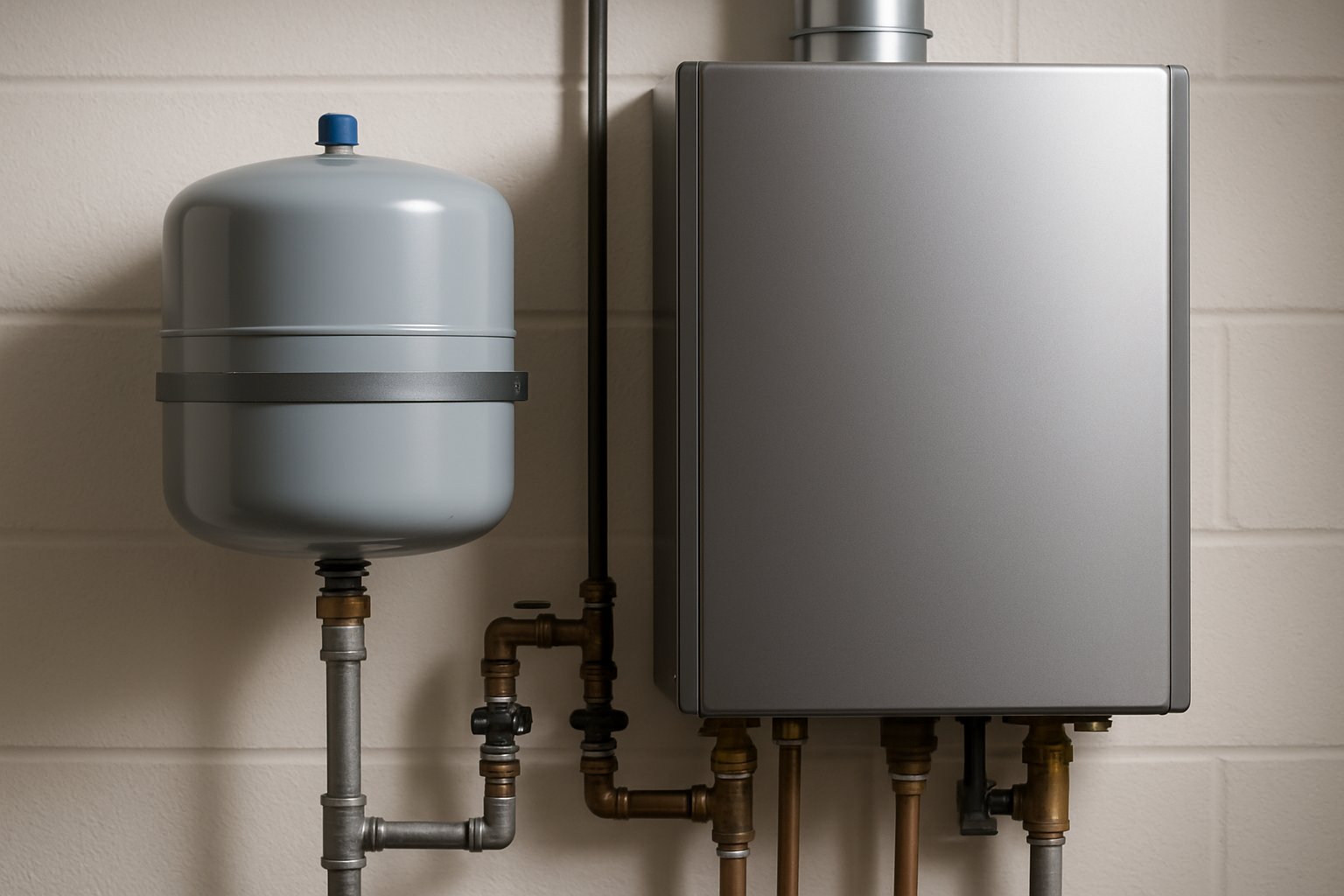
A tankless water heater expansion tank is a small pressurized vessel. Its job is to handle water pressure changes in certain heating systems.
These tanks become necessary when tankless units work with storage components or recirculation systems that create closed-loop conditions.
Definition and Purpose
An expansion tank is a small tank attached to the water supply line of your water heating system. It protects closed water systems from dangerous pressure buildup.
Primary Functions:
- Controls thermal expansion pressure
- Prevents pipe damage from high pressure
- Protects water heater components
- Maintains safe operating pressure levels
Most standard tankless water heaters heat water on demand and don’t need expansion tanks. There’s just no stored water to expand and raise pressure.
But in some setups, expansion tanks are a must. If your tankless unit works with storage tanks or recirculation systems, it creates a closed system that can trap expanding water.
In these cases, the tank acts as a pressure relief. It absorbs extra water volume when thermal expansion happens in closed systems.
How Expansion Tanks Work in Water Heating Systems
Expansion tanks have two chambers separated by a flexible diaphragm or bladder. One side holds pressurized air, and the other connects to the water system.
When water heats up, it expands and raises system pressure. The expanding water moves into the tank and compresses the air chamber.
This process absorbs the pressure increase and keeps things safe.
The Process Works Like This:
- Water temperature rises in the system
- Expanded water flows into the tank
- Air chamber compresses to accommodate water
- System pressure stays within safe limits
When the water cools, the compressed air pushes the water back into the system. This keeps pressure balanced during heating and cooling cycles.
We run into this most with tankless systems that use recirculation pumps and storage tanks. These setups create closed loops that trap expanding water.
Types of Expansion Tanks
Diaphragm Tanks use a rubber diaphragm to keep air and water separate. The diaphragm flexes as water moves in and out. They’re common in homes.
Bladder Tanks have a replaceable bladder that holds the air charge. Water surrounds the bladder inside the tank shell. You can swap out the bladder if it wears out.
Plain Steel Tanks just mix air and water with no separator. They’re older, need more maintenance, and you rarely see them anymore.
Size Classifications:
- Small tanks (2-5 gallons): Single fixture applications
- Medium tanks (5-15 gallons): Whole house systems
- Large tanks (15+ gallons): Commercial or high-demand systems
Most homes with tankless setups use diaphragm or bladder tanks. We pick the size based on heater capacity and system volume.
You want a tank that’s big enough for pressure control, but not so big it wastes space or money.
Do Tankless Water Heaters Need Expansion Tanks?
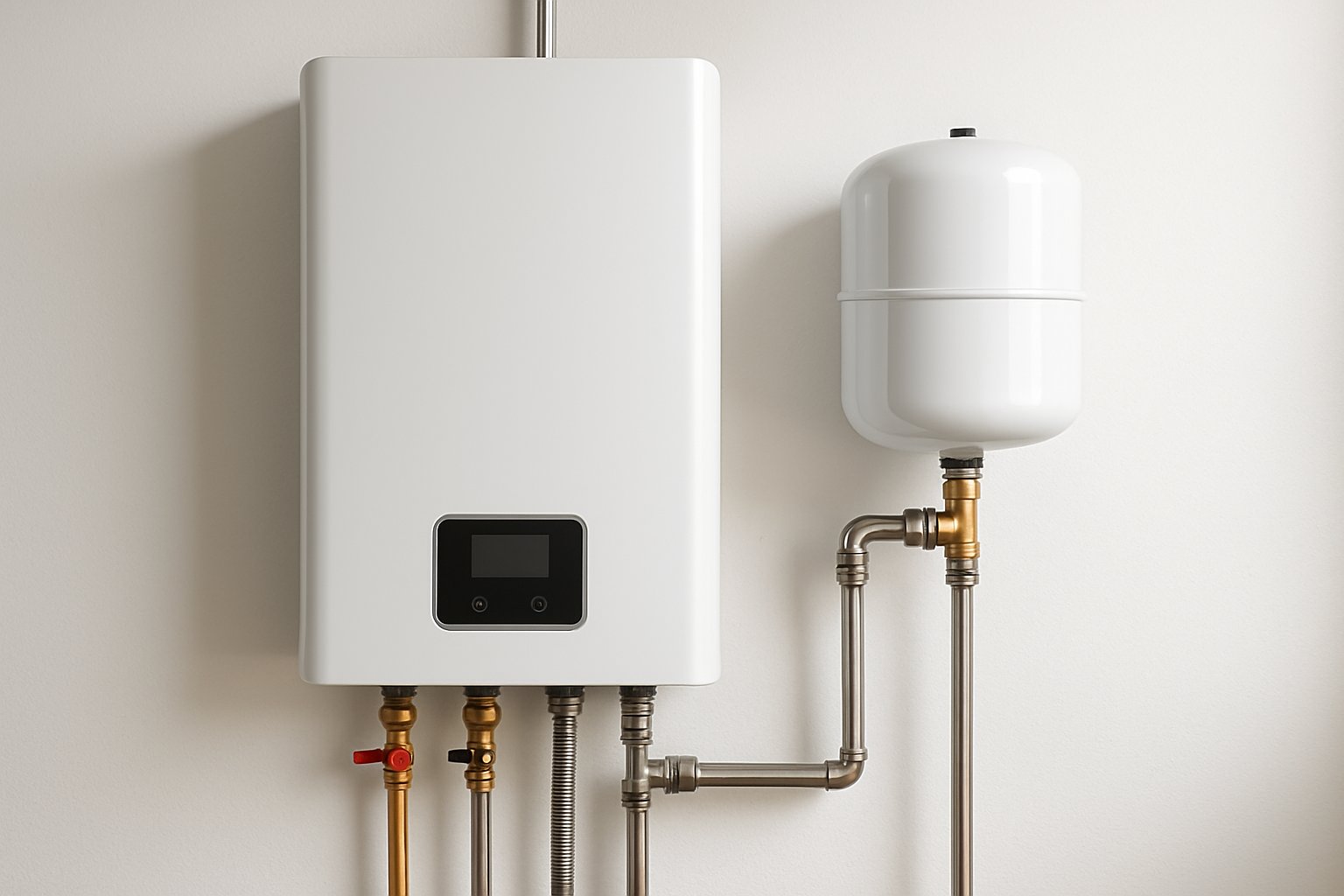
Most tankless water heaters don’t require expansion tanks because they heat water only when you need it. But sometimes, plumbing setups and local building codes change the game entirely.
Factors That Determine the Need
Whether you need an expansion tank depends on your water heating setup. Most tankless water heaters do not need an expansion tank since they only heat water when you turn on a faucet or appliance.
Key factors include:
- Presence of storage tanks or buffer tanks
- Recirculation pump systems
- Built-in buffer tanks (1-2 gallons)
- Type of plumbing connections
Newer models of tankless water heaters can have integral buffer tanks that sometimes create high system pressure. Even small tanks can cause thermal expansion issues in tankless systems.
If your tankless water heater has any kind of storage component, it’s smart to install an expansion tank. That way you avoid pressure buildup that could wreck your plumbing.
Closed-Loop Versus Open-Loop Systems
The difference between closed-loop and open-loop systems really matters. Open-loop setups release pressure through open faucets when water heats up.
Open-loop systems:
- Water flows freely when outlets open
- Pressure releases through faucets
- No expansion tank needed
Closed-loop systems:
- Include recirculation pumps
- Have check valves or backflow preventers
- Trap heated water in pipes
A tankless water heater using a recirculation pump and a storage tank will need a thermal expansion tank to control pressure. Closed-loop systems block natural pressure release.
When we install recirculation systems, the heated water can’t expand anywhere. This can cause dangerous pressure levels if you don’t have an expansion tank.
Manufacturer Recommendations and Local Building Code Requirements
Always check your manufacturer’s installation guide before making any decisions. Many tankless water heater makers spell out expansion tank requirements for certain setups.
Common code requirements:
- Check valve installations
- Backflow preventer systems
- Pressure-reducing valve setups
- Recirculation pump systems
Local building codes often call for expansion tanks when there’s a backflow prevention device in the main supply line. The International Plumbing Code covers thermal expansion control in closed systems.
Some areas require expansion tanks no matter what kind of water heater you have. It’s always a good idea to check with your local inspector before you install anything.
Your local plumbing code might be stricter than the national standards. Municipal rules can change what you need for your water heating system.
Benefits of an Expansion Tank for Tankless Systems
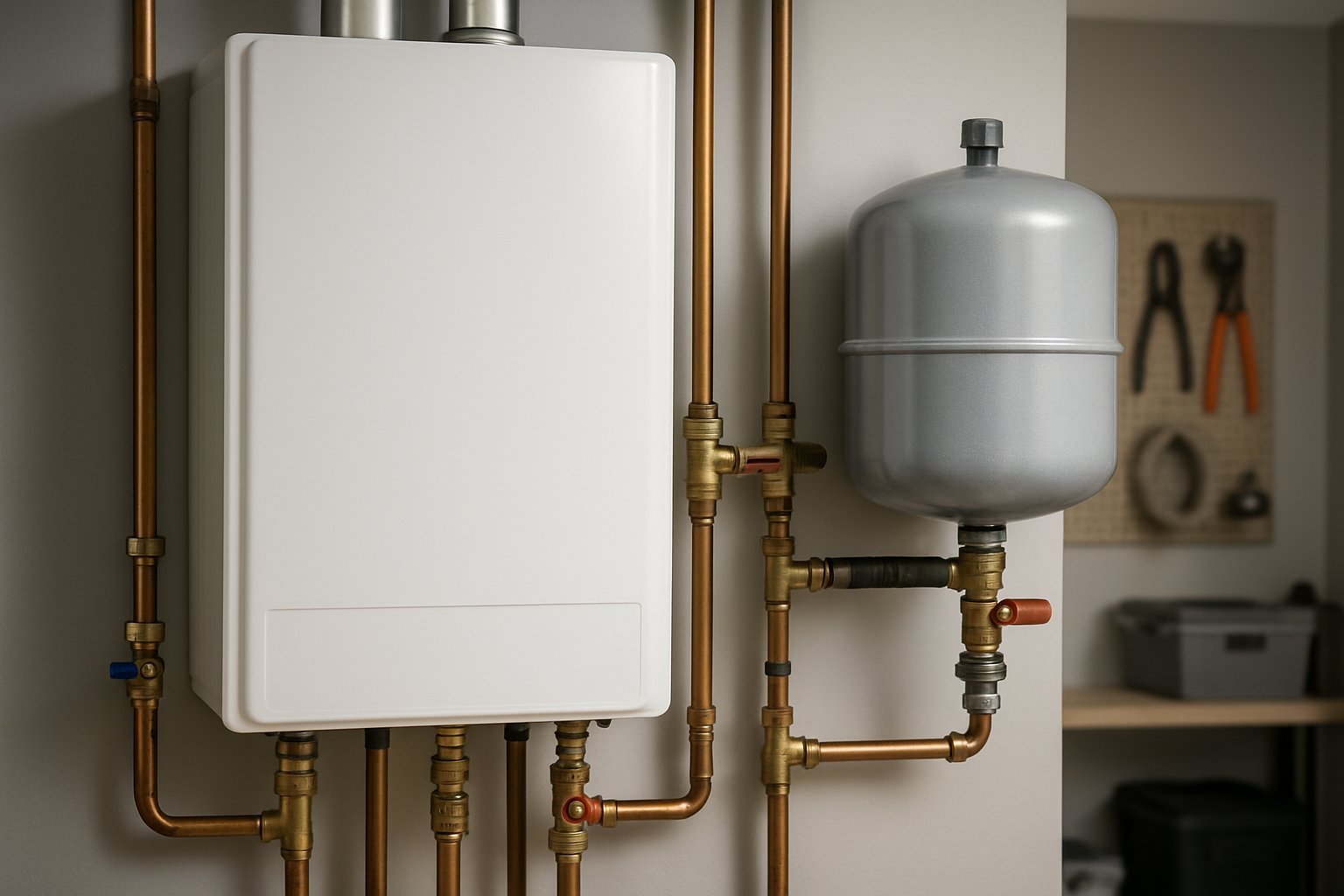
Expansion tanks help protect tankless water heater systems by handling pressure swings and stopping expensive damage. They keep plumbing parts safe, lower the risk of leaks, and just make the whole system run better.
Protecting the Plumbing System
Plumbing systems deal with constant pressure changes every time hot water runs through the pipes. If you skip the expansion tank, those pressure swings can slowly damage pipes, joints, and fixtures.
The expansion tank acts like a pressure cushion. When water heats up and expands, the tank soaks up the extra pressure instead of forcing it into the pipes.
Expansion tanks help protect closed water systems from excessive pressure that could otherwise strain plumbing components.
Key Protection Benefits:
- Prevents pipe stress and cracking
- Protects water heater components
- Shields fixtures from pressure damage
- Reduces wear on shut-off valves
The whole plumbing system runs more smoothly when pressure stays in the safe zone. The expansion tank helps keep things steady across your home’s water lines.
Reducing Pressure Buildup and Leaks
Pressure buildup is no joke for tankless water heater systems. When water heats up fast, it expands quickly and can spike the pressure.
The expansion tank has a bladder that compresses as water expands. This setup keeps pressure from building up in your pipes and water heater.
Common Leak Prevention Areas:
- Pipe joints and connections
- Water heater inlet/outlet ports
- Pressure relief valves
- Fixture connections
We’ve seen fewer emergency repairs when expansion tanks manage these pressure changes. The tank basically stops the sudden spikes that cause most plumbing failures.
Extending System Longevity and Efficiency
Tankless water heaters just last longer when expansion tanks reduce system stress. Managing pressure fluctuations prevents premature wear and tear on water heater components.
Stable pressure helps your system run at peak efficiency. When pressure stays even, the water heater doesn’t have to work as hard to deliver hot water.
Energy use goes down when the system runs smoothly—no pressure-related strain means less wasted energy. The expansion tank lets everything perform better and cuts down on unnecessary cycling.
Efficiency Improvements:
- Reduced component wear
- Lower energy consumption
- Fewer repair needs
- Extended warranty protection
We’ve noticed systems last 15-20% longer with proper expansion tank installation. That adds up to real savings over the water heater’s life.
Maintenance costs also drop when expansion tanks prevent pressure-related problems. The upfront investment pays off with fewer repairs and longer system life.
How Thermal Expansion Affects Tankless Water Heaters
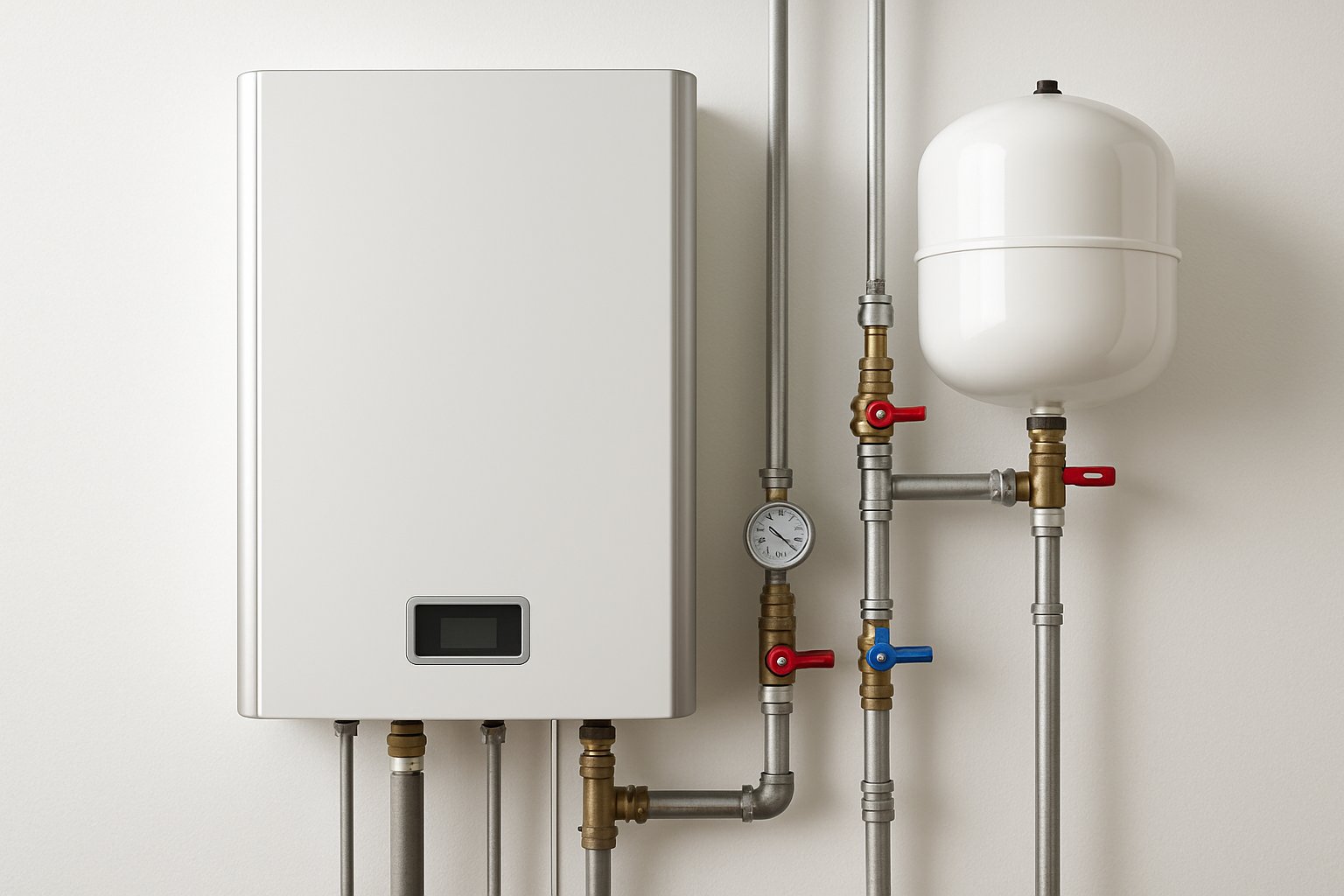
When water heats up in tankless systems, it expands and creates pressure that can stress plumbing components. Tankless units don’t have the built-in expansion space that traditional tank heaters provide, so pressure can build up quickly.
Understanding Thermal Expansion
Thermal expansion happens when water molecules move faster and take up more space as they heat up. Water expands about 2% when it goes from 40°F to 140°F.
In tankless water heaters, this expansion occurs instantly as water passes through the heating elements. The hot water has nowhere to go except back into the plumbing system.
Traditional tank water heaters absorb some of this expansion in the tank itself. That built-in space takes the edge off pressure changes.
Tankless units don’t have that buffer. The heated water pushes back through pipes and fixtures since there’s no storage tank to soak up the extra volume.
This process can create pressure increases that stress plumbing components throughout your home’s water system.
Impact on Water Pressure
Water pressure rises quickly when heated water expands in a closed plumbing system. Pipes, fixtures, and connections all have to handle this extra force.
The pressure buildup hits different parts of the plumbing system:
- Pipe joints get more stress at connection points
- Faucets and valves have to deal with higher operating pressures
- Water lines face increased internal force
- Appliance connections experience pressure swings
You’ll notice this most when thermal expansion causes pressure spikes during peak heating times. The whole plumbing system feels it.
Homes with check valves or pressure reducing valves create closed systems. Expanded water has nowhere to go, which just makes the pressure problem worse.
Risks of Ignoring Expansion Needs
If you ignore thermal expansion in a tankless water heater system, you’re asking for trouble. Pressure buildup without proper management leads to expensive damage.
Immediate risks include:
- Leaking joints and pipe connections
- Dripping faucets and fixture damage
- Water hammer noise and vibration
- Reduced equipment lifespan
Long-term consequences get even uglier over time:
- Burst pipes needing emergency repairs
- Premature failure of the tankless unit
- Damage to appliances connected to hot water lines
- Costly water damage to your home’s structure
Uncontrolled pressure cycles wear down plumbing system components. Extreme pressure buildup can result in catastrophic pipe failures that flood your house.
Skipping proper installation guidelines for pressure management systems can also void manufacturer warranties.
Installation Requirements and Considerations
Proper installation of expansion tanks with tankless water heaters takes some careful assessment and attention to local codes. You need to think about tank placement, sizing, and common mistakes that can wreck safety and performance.
Assessing the Need in Your Water Heating System
First, figure out if your tankless system actually needs an expansion tank. Most tankless water heaters don’t need expansion tanks since they heat water on demand and have no storage.
But you’ll need an expansion tank in these cases:
- Recirculation systems: If your tankless unit uses a recirculating pump with storage tanks
- Hybrid setups: Systems that combine tankless and traditional tank water heaters
- Closed plumbing systems: Homes with backflow preventers or check valves on the main water line
Check your local plumbing code requirements. Building codes might require expansion tanks in closed systems where thermal expansion could cause dangerous pressure spikes.
A qualified plumber can assess your setup and make sure you’re following code. Ask if your municipal water supply uses backflow prevention devices that create a closed system.
Proper Placement and Sizing
Install expansion tanks on the cold water line near the water heater as the manufacturer recommends. The tank should sit vertically with the air chamber at the top.
Key placement requirements:
- Mount within 6 feet of the water heater
- Install on the cold water supply line before the heater
- Leave enough space for maintenance access
- Use pipe fittings that can handle system pressure
Tank sizing depends on your water heater’s capacity and system pressure. You’ll need to figure out required tank volume based on:
| Factor | Consideration |
|---|---|
| Water heater capacity | Bigger systems need bigger tanks |
| System pressure | Higher pressure means more expansion volume |
| Temperature rise | Greater temperature differences increase expansion |
Check manufacturer sizing charts or ask a plumber to help pick the right tank size. Small tanks just won’t cut it for pressure relief.
Common Installation Mistakes
People make some classic mistakes that ruin system safety and performance. Installing the tank on the hot water side instead of the cold water line is a big one—it won’t control pressure properly.
Major installation mistakes to avoid:
- Mounting the tank upside down
- Using pipe connections that are too small
- Not checking or adjusting pre-charge pressure
- Skipping the pressure relief valve
Check that the tank’s pre-charge pressure matches your system before installing. Most tanks come pre-charged to 12 PSI, but you might need to tweak it for your water pressure.
Bad pipe connections can cause leaks and reduce effectiveness. Use dielectric unions when connecting different pipe materials to prevent galvanic corrosion.
After installation, test the system by checking all connections for leaks and verifying pressure readings. Have a plumber do a final inspection to ensure code compliance and proper operation.
Maintenance and Troubleshooting Tips
Regular maintenance checks help you catch problems early, before they damage your tankless water heater system. Most expansion tank issues come from pressure changes, corrosion, or worn-out parts that show up over time.
Routine Inspection of Expansion Tanks
Check your expansion tank every six months for best results. Look over the outside for rust, water stains, or mineral buildup—these are early signs of corrosion.
Visual inspection checklist:
- Check for pinhole leaks or water droplets around connections
- See if the mounting brackets are loose or damaged
- Look for mineral deposits on pipe connections
- Note any weird discoloration on the tank’s surface
Test the air pressure with a tire gauge on the air valve. The pressure should match your home’s water pressure, usually 40-80 psi. Low air pressure means the tank can’t absorb thermal expansion properly.
Tap the tank gently with a wrench. If it sounds hollow, the air cushion is good; a dull thud means the tank’s waterlogged and needs replacing.
Annual inspection and pressure testing keeps your system efficient and helps avoid expensive repairs.
Signs of Expansion Tank Failure
Failed expansion tanks create dangerous pressure that can mess up your whole plumbing system. There are a few warning signs that mean you should act fast.
Common failure symptoms:
- Water dripping from the tank or connections
- Water pressure in your home goes up and down
- Pipes make weird noises when you run hot water
- Utility bills jump because the burner cycles too often
Pinhole leaks are a big red flag for internal corrosion and likely tank failure. These tiny leaks usually show up near the bottom where sediment settles.
If the temperature relief valve kicks in, that signals system pressure is too high. This safety feature protects your tankless heater, but it means the expansion tank isn’t doing its job.
Waterlogged tanks lose their air cushion and can’t handle pressure swings. That forces your tankless heater’s burner to work overtime and shortens its life.
Preventing Corrosion and Extending Lifespan
Corrosion is the main enemy of expansion tanks, often slashing lifespan from 10 years to just 3-5 in tough water conditions. Good water quality and proper installation help a lot.
Corrosion prevention strategies:
- Install a water softener if hardness is over 7 grains per gallon
- Keep air pressure in the tank at the right level
- Insulate tanks in damp places like basements
- Replace anode rods in your tankless system every year
Check your home’s water pH every month. Acidic water (below 7.0 pH) eats away at metal and shortens system life fast.
Mount tanks vertically with air valves at the top to keep water and air separate. This helps prevent rust from water pooling inside.
Regular maintenance and monitoring can help expansion tanks last 8-10 years, even in tough water. Don’t wait for failure—replace tanks early to protect your investment.
Frequently Asked Questions
Installing expansion tanks on tankless systems has its own steps and quirks compared to traditional water heaters. Replacement schedules, sizing, and cost depend on your plumbing and local code.
What are the steps involved in installing an expansion tank on a tankless water heater?
First, shut off the main water supply and drain the cold water line near your tankless unit. The expansion tank installation process starts with mounting the tank on the cold water supply line.
Install a tee fitting on the cold water line close to the heater inlet. Connect the expansion tank to this tee with a threaded connection.
Mount the tank vertically with the air valve at the top. Make sure the pre-charge pressure matches your home’s water pressure before hooking everything up.
After you’re done, turn the water back on and check for leaks. Watch pressure levels during heating cycles to confirm the expansion tank is working as it should.
How often should an expansion tank be replaced on a tankless water heater system?
Expansion tanks usually last 5 to 10 years in most homes. Water quality, how much you use the system, and how often you maintain it all play a role.
In hard water areas, you might need to replace tanks more often because of mineral buildup and corrosion. Annual inspections help you spot waterlogging or bladder failure early.
Replace the tank if you see corrosion, leaks, or if the pressure relief valve keeps going off. If the tank won’t keep the right pre-charge pressure, it’s time for a new one.
What factors influence the cost of adding an expansion tank to a tankless water heater?
Tank size drives most of the cost here. Larger tanks cost more, no surprise there. Most homes with tankless systems use expansion tanks between 2 and 4.4 gallons.
Labor costs can swing a lot depending on where you live and how tricky the installation is. If the plumber can reach the cold water line easily, you’ll pay less. But if they have to reroute pipes or add extra plumbing, expect the bill to climb.
Local building codes sometimes demand permits or inspections, which bumps up the price. You also need to budget for extra fittings, valves, and whatever mounting hardware fits your setup.
Most folks pay between $200 and $500 to have a pro install the tank and do the labor. If you’re handy and go the DIY route, you might spend just $50 to $150 on materials.
How do you determine the correct size of an expansion tank for a tankless water heater?
We usually start by looking at your home’s total water capacity and the pressure in your system. The tank has to handle the extra volume from thermal expansion—basically, all the hot water in your pipes.
For smaller homes, a 2-gallon expansion tank often does the job. If you’ve got a bigger place or a recirculation pump, you might need a 4.4-gallon tank instead.
The number of bathrooms, how many fixtures you have, and the amount of pipe all matter. If your system runs at higher pressure, you’ll need a bigger tank to keep up.
Tankless heaters don’t store as much water as traditional tanks, but capacity still plays a role. It’s always smart to check the manufacturer’s recommendations and see what local codes say before buying anything.
What are the signs that an expansion tank needs to be serviced or replaced in a tankless water heater setup?
If you spot water dripping from the tank or its fittings, that’s usually a red flag. It could mean the bladder failed or the tank’s corroded—either way, don’t ignore it.
When the pressure relief valve keeps going off, chances are the expansion tank isn’t doing its job. Watch out for weird pressure swings when you use hot water too.
Give the tank a tap—if the top sounds hollow and the bottom’s solid, that’s normal. If it sounds solid all over, it’s probably waterlogged and needs swapping out.
Once a year, check the pre-charge pressure with a tire gauge. If the tank can’t hold the right air pressure, it’s time for a replacement.
Is an expansion tank necessary for all tankless water heater models, and what are the exceptions?
Most tankless water heaters don’t need expansion tanks. They heat water only when you turn on the tap, so there’s no big tank of hot water sitting around and expanding.
Thermal expansion is a headache with traditional tank-style heaters, but it’s not really an issue for most tankless models. That’s a relief, honestly.
We usually add expansion tanks if your house has a closed plumbing system with a backflow preventer or a pressure reducing valve. These gadgets block expanded water from pushing back into the city’s supply.
Tankless systems with recirculation pumps are a bit different. Since they keep hot water circulating in the pipes, you get pockets of stored hot water that expand and contract.
Local building codes sometimes insist on expansion tanks no matter what system you’ve got. We always double-check what your town requires and what the manufacturer suggests before making the call.