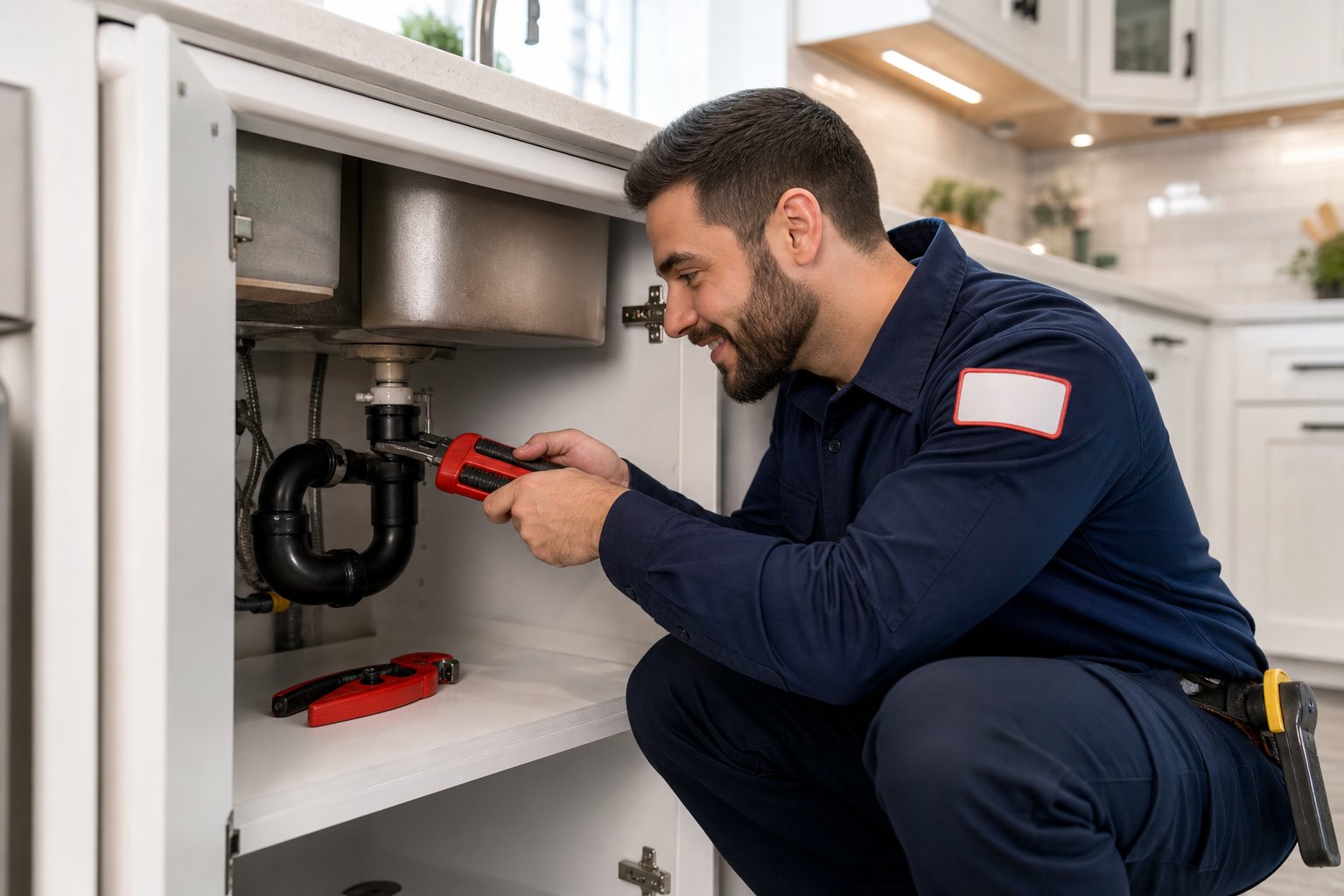
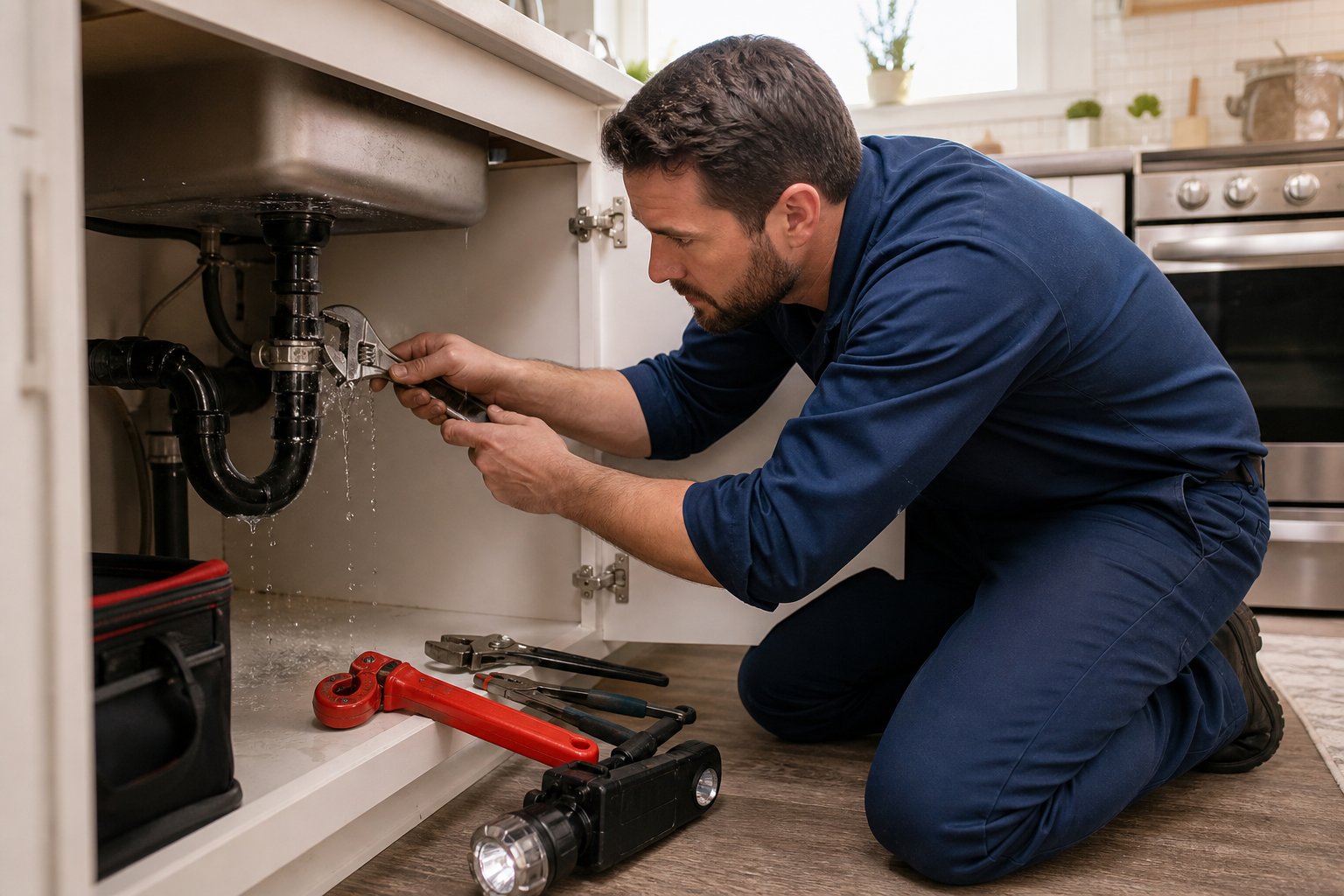
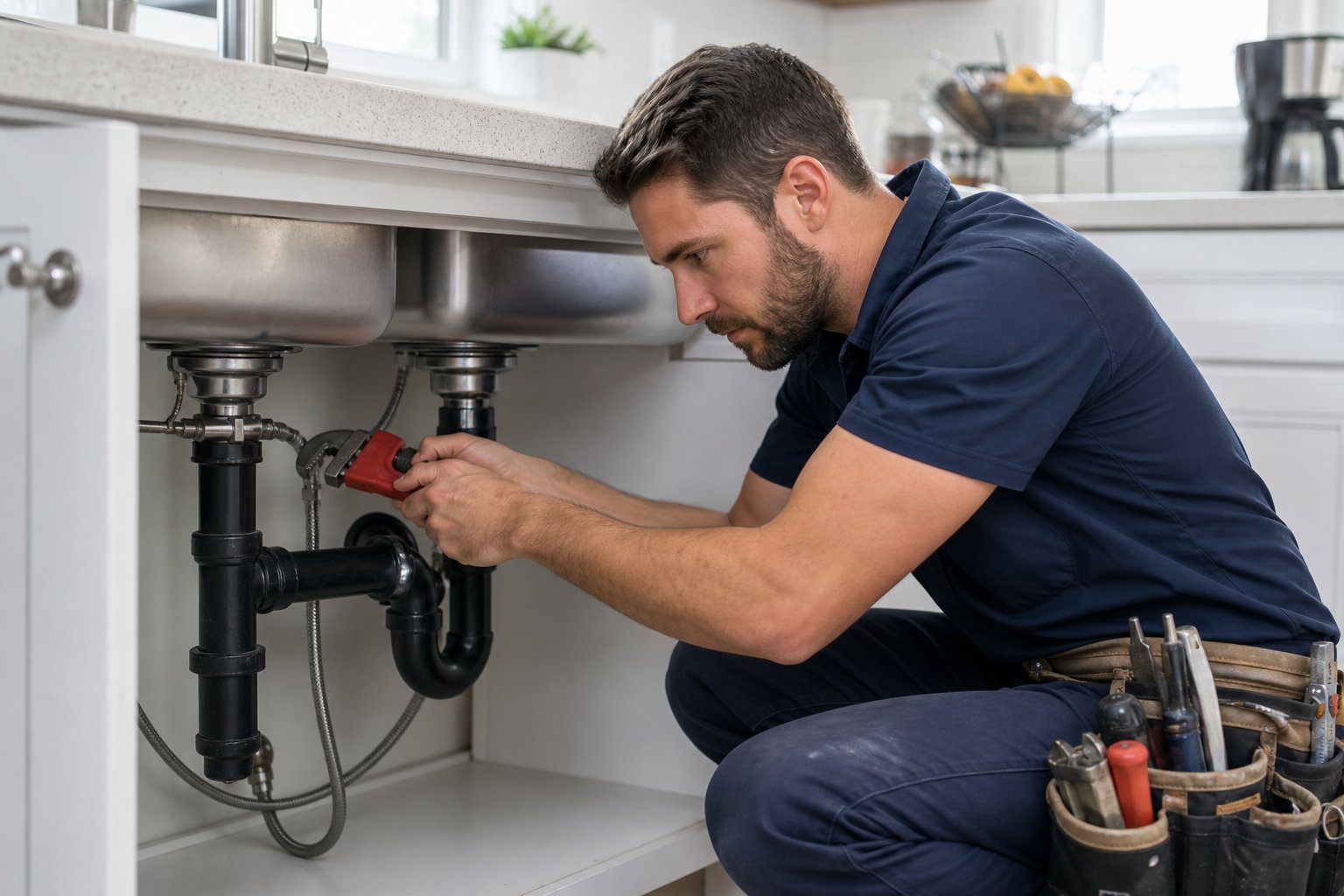
You need a reliable plumber in Bedford, TX who shows up fast and fixes the problem right. Call a licensed local plumber for emergencies, slab leaks, sewer issues, and faucet or water heater work to get safe, lasting repairs.
Knowing which company has experience with Bedford’s clay soil and slab foundations saves you time and money.
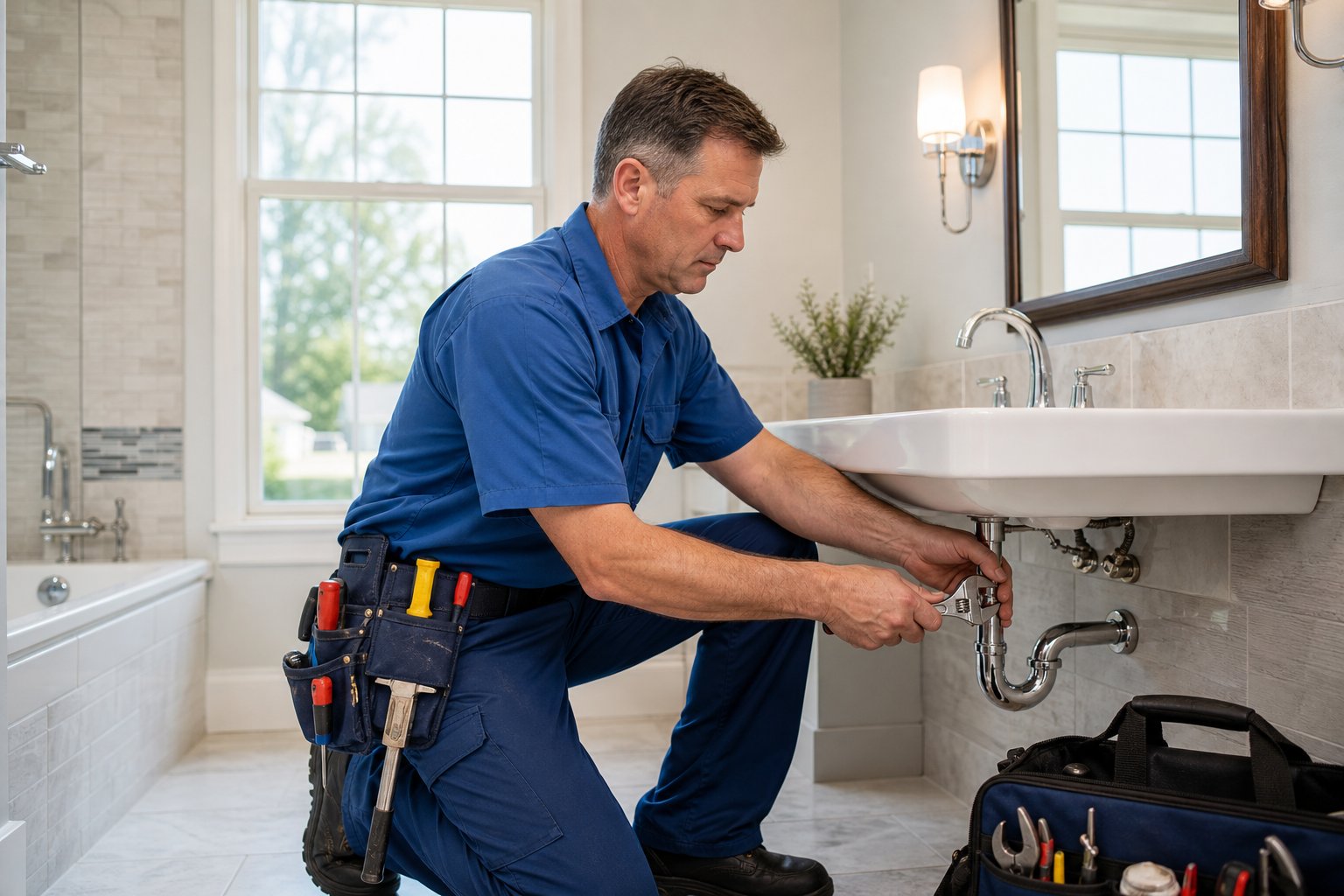
This guide helps you pick a qualified plumber and explains common services you might need. It also points out simple steps to protect your home.
Use it to make confident choices and avoid repeat visits or hidden costs.
Key Takeaways
- Hire licensed local plumbers familiar with Bedford’s soil and slab foundations.
- Expect services that cover emergencies, drains, fixtures, and sewer repairs.
- Regular checks and timely fixes reduce long-term damage and costs.
Choosing Qualified Plumbers in Bedford

You want a plumber who is licensed, insured, and responsive. Look for clear pricing, local experience with Bedford homes, and technicians who explain fixes before they start.
What to Look for in Local Plumbing Experts
Look for plumbers in Bedford who carry a visible license number and proof of liability insurance. Ask for written estimates that list labor, parts, and any permit fees.
This prevents surprises and helps you compare bids. Check whether the company offers emergency service and same-day dispatch.
Local firms tend to arrive faster; ask how long typical response times are for Bedford addresses. Confirm whether technicians run a camera inspection for blockages and provide before-and-after photos.
Request warranty terms on parts and labor. If you own an older Bedford house, ask about experience with galvanized or polybutylene pipe replacements.
Mention Larry Stinson Plumbing by name if you want a local team known for prompt, residential service.
Why Experience and Licensing Matter
Licensing proves a plumber met state requirements and knows Texas plumbing codes. A licensed plumber will pull permits when needed, which keeps your home insurance valid and ensures work passes inspection.
Ask to see the license and verify it online. Experience matters for diagnosing issues quickly.
A tech who has worked on Bedford homes will know common problems like hard-water scale or tree-root intrusion affecting sewer lines. That speeds up repairs and can reduce parts costs.
Insurance protects you from liability for on-the-job injuries or accidental damage. Confirm both general liability and workers’ compensation are active.
If you hire a smaller local shop, request proof before work starts.
Top-Rated Plumbing Companies and Brands
Look for Bedford plumbing companies with steady local reviews and clear service offerings. National options like Roto-Rooter handle 24/7 emergencies, while local firms such as Larry Stinson Plumbing focus on fast residential service and neighborhood familiarity.
Compare what each company includes: camera inspections, drain snaking, water heater repair, repiping, and leak detection. Ask if they stock common replacement parts to avoid multiple trips.
Find out if they install recognized brands for fixtures and water heaters—this affects parts availability and warranty coverage. Search local listings and trade directories, and prioritize companies that provide a printed contract and itemized invoice.
That makes price and warranty terms clear and helps you track maintenance history for your home.
Customer Reviews and Community Trust
Read recent reviews on sites like Yelp and Angi to see how companies handle follow-up and cleanup. Look for specifics in reviews—how long the job took, whether the tech explained the problem, and whether the price matched the estimate.
Ask neighbors or your HOA for recommendations; local word-of-mouth often highlights consistency. Check for repeated praise of the same technician names—consistent personnel usually means steady quality.
If a company responds quickly to negative reviews with corrective action, that shows accountability. For Bedford plumbing you can trust, give more weight to consistent patterns in reviews than to single glowing or poor comments.
Essential Plumbing Services for Bedford Homes
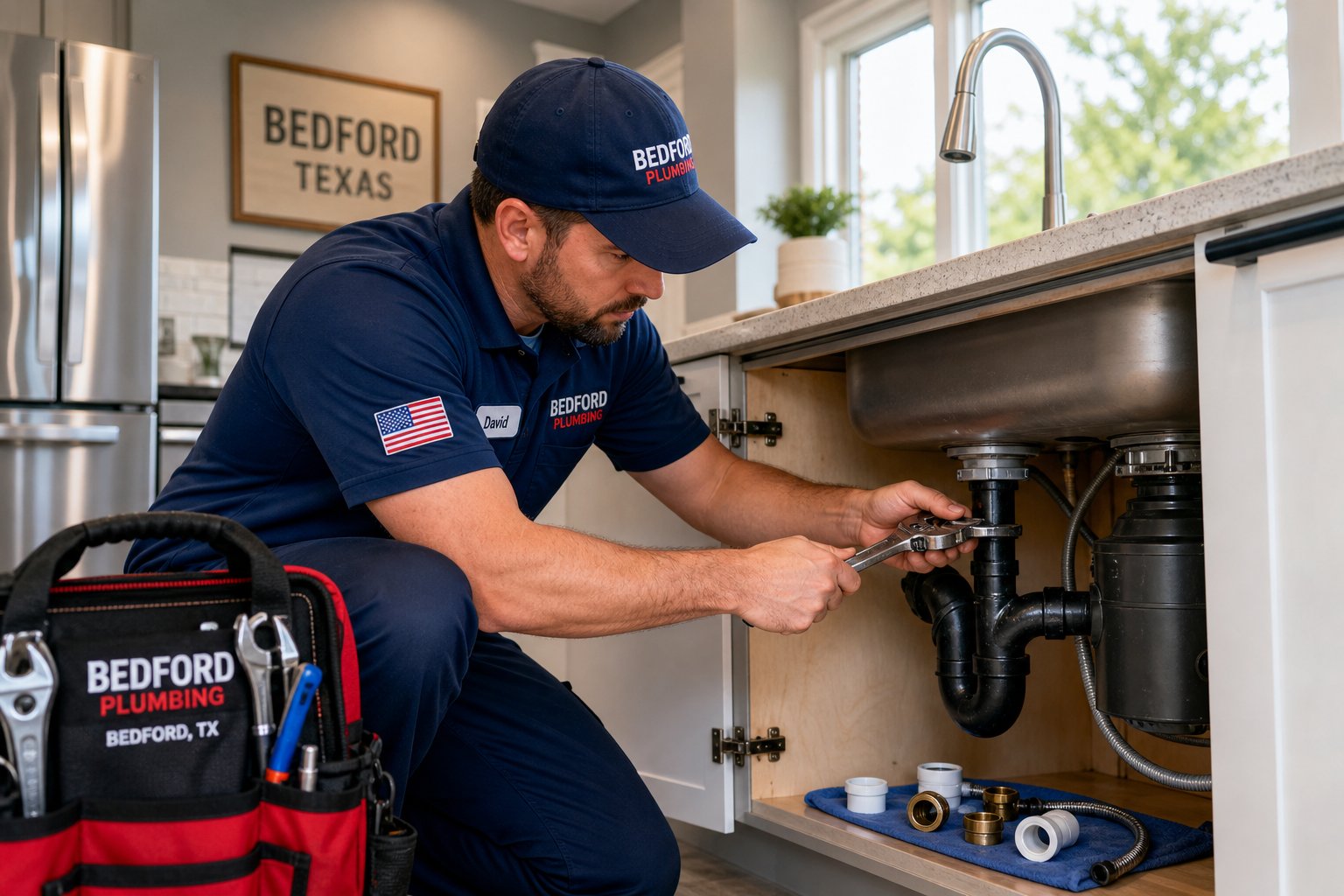
You need reliable plumbing work that fixes problems fast and prevents repeat issues. Focus on repairs, drain cleaning, water pressure fixes, and 24/7 emergency response to protect your home and avoid costly damage.
Routine Plumbing Repairs and Maintenance
You should schedule regular checks for leaks, faucets, toilets, and water heaters. Technicians can test for hidden leaks, replace worn shutoff valves, and service tank and tankless water heaters to keep them efficient.
Ask for a written checklist that includes valve operation, pipe inspection, fixture tightness, and drain flow tests. This helps spot slow leaks, mineral buildup, or failing seals before they cause water damage.
Plan simple DIY tasks between visits: clean faucet aerators and avoid chemical drain cleaners. Watch your water meter overnight for unseen leaks.
For repiping, corrosion, or repeated clogs, hire a licensed pro to inspect materials and recommend repairs.
Professional Drain Cleaning Solutions
You should choose mechanical cleaning and camera inspection over harsh chemicals for lasting results. Pros use snakes, hydro-jetting, and camera scopes to remove roots, grease, and soap build-up and then confirm the pipe condition on camera.
Ask the company to show you camera footage and explain if the problem is a single clog or damaged pipe. Hydro-jetting clears buildup and improves flow but needs inspection first to ensure pipe seals and joints are sound.
Request written pricing that covers diagnosis, cleaning method, and any follow-up camera check. If you have recurring backups, discuss sewer line service or root treatment to prevent repeat drain issues.
Addressing Low Water Pressure Issues
Low water pressure can come from mineral buildup, partially closed valves, main line leaks, or municipal supply problems. Start by checking your house shutoff valve and faucet aerators; cleaning or adjusting these often restores normal flow.
If multiple fixtures show low pressure, ask a plumber to measure pressure at the meter and test for hidden leaks. They can check pressure-reducing valves, service the water heater, and assess pipe corrosion that narrows flow.
For persistent problems, plumbers may recommend pipe replacement, a pressure-boosting pump, or a whole-house filter to remove scale. Get a clear diagnosis and cost estimate before major work to compare repair versus replacement options.
Emergency Plumbing Services
You should have a 24/7 contact for burst pipes, sewer backups, and major leaks that risk structural damage. Emergency plumbers provide fast shutoff, temporary repairs, and water extraction to limit harm until a permanent fix is scheduled.
When calling, describe the problem, location, and whether water is still running. Ask if the tech is licensed and available for same-day service, and request an upfront estimate for emergency response fees and immediate repairs.
Keep an emergency kit with photos of shutoff locations and your water meter. If you need a local emergency team, many Bedford companies advertise round-the-clock service and permit handling to speed repairs and comply with codes.
Advanced Pipe and Sewer Solutions
You will find practical, repair-focused options that limit digging, protect landscaping, and restore reliable water flow and waste removal. Expect targeted fixes for cast iron and copper, as well as full repipes when parts of your home need long-term repair.
Pipe Repair for Aging Systems
If your home has cast iron sewer lines or galvanized supply pipes, trenchless pipe lining can save your yard and cut work time. Technicians inspect with a camera to find cracks, root intrusion, and offset joints.
They often use CIPP (cured-in-place pipe) to install a new structural liner inside the existing pipe. This stops leaks and restores flow without full excavation.
You should ask for a pre- and post-inspection video and a written warranty on repairs. Camera documentation shows the exact problem and proves repair quality.
CIPP works well for continuous runs and laterals, but collapsed segments may still need spot excavation.
Solving Corroded Supply Line Problems
Corrosion in supply lines causes low pressure, discolored water, and pinhole leaks that worsen over time. Technicians test water chemistry and inspect visible piping to determine whether the damage is localized or widespread.
Small sections can be replaced with copper, PEX, or CPVC; full replacement may be best when corrosion is extensive. You should consider PEX for flexibility, fewer joints, and lower cost; copper remains durable in many homes.
A plumber will map your system, isolate problem runs, and propose either targeted repairs or a phased repipe plan to spread cost and minimize disruption.
Whole-House Repiping Benefits
Whole-house repiping removes old, corroded, or failing materials and replaces them with modern piping that lasts decades. Benefits include steady water pressure, cleaner water, fewer leaks, and easier maintenance.
Plumbers typically work room by room, label shutoffs, and keep fixtures usable during the job when possible. Expect materials options, labor timelines, and a permit plan.
A licensed plumber will give a written estimate that lists pipe type, access requirements, and expected duration. Ask about homeowner insurance notifications and how the crew will protect floors, cabinets, and landscaping during work.
Sewer and Drain Line Repairs
Sewer line issues create backups, odors, and soggy spots in the yard. Technicians use scope cameras and hydro-jetting to clear roots and debris, then assess whether lining or section replacement is needed.
Hydro-jetting cleans pipes by pressure; lining restores structural integrity without long trenches. For lateral repairs near the street, check utility and municipality rules first.
You should request a diagnosis that separates root or grease blockages from structural collapse. Get a cost comparison: video inspection plus cleaning, trenchless lining, or open excavation, so you can choose the solution that fits your property and budget.
Advanced Plumbing & HVAC uses CIPP trenchless methods for many sewer repairs in Bedford; learn more about their trenchless pipe work at their Bedford service page (Advanced Plumbing & HVAC).
Specialty Services and Upgrades
These services focus on fixing common problems and improving daily use. You’ll find options to replace worn fixtures, upgrade water heating and softening, and locate hidden leaks quickly.
Fixture Replacements and Installations
You can replace toilets, sinks, faucets, and shower valves to stop leaks and save water. Technicians measure drain and supply lines first to confirm compatibility with new fixtures.
They also check for corroded supply tubes and worn shutoff valves and replace them when needed. Choose low-flow toilets or faucets to cut water use.
If you want a new sink or tub, ask about trap and P-trap alignment and proper venting to avoid future drain clogs. Professionals typically test water pressure after installation and run drain-cleaning checks to ensure no blockages remain.
Installation details to confirm:
- Fixture model and rough-in dimensions
- Supply line and drain condition
- Shutoff valve function
- Warranty and manufacturer instructions
Water Heater and Softener Upgrades
You can switch to tankless units, replace aging tanks, or add a water softener to reduce scale. Technicians assess flow rate, incoming water hardness, and electrical or gas requirements before recommending options.
Tankless heaters save space and provide on-demand hot water but need correct gas pipe sizing or electrical service. Softener installs include testing hardness and sizing the resin tank for your household’s grain-per-gallon needs.
Upgrades also involve flushing old tanks, replacing sacrificial anode rods, and checking venting and pressure-relief valves.
Ask for a written estimate showing:
- Capacity and recovery rate (for tanks)
- Flow rate (for tankless)
- Softener grain capacity and salt use
- Required permits or electrical/gas work
Leak Detection Technology
You can find hidden leaks with cameras, acoustic sensors, and electronic leak locators to avoid major repairs.
Plumbers use camera inspections for drain and sewer lines to spot cracks, roots, and blockages that cause backups.
Acoustic devices pick up running water inside walls and under slabs.
Electronic moisture meters map wet areas to guide targeted repairs rather than full-wall demolition.
After locating a leak, technicians often perform drain cleaning, sewer line repair, or spot pipe replacement and then retest to confirm the fix.
Common tools and results:
- Video camera: visual of interior pipe condition
- Acoustic sensors: pinpoint active leaks
- Moisture meter: gauges spread of water damage
Preventative Care and Long-Term Plumbing Health
Keep your pipes, drains, and water heater working longer by doing simple checks, timely cleanings, and scheduling professional inspections.
Focus on small actions you can do monthly and clear signs that mean you should call a plumber right away.
Tips to Prevent Future Plumbing Emergencies
Check visible pipes and fixtures monthly for damp spots, corrosion, or loose fittings.
Tighten minor leaks with a wrench or replace a worn washer to stop drips before they worsen.
Protect drains by using hair and strainer screens in showers and sink strainers in kitchen and bathroom sinks.
Pour a cup of baking soda followed by a cup of vinegar down slow drains, wait 15 minutes, then flush with hot water to help clear buildup.
Avoid chemical drain cleaners; they can harm pipes and often force you to call an emergency plumbing service later.
Maintain your water heater by flushing the tank once a year to remove sediment, which improves efficiency and prevents early failure.
Set the heater to 120°F to reduce scale and scald risk.
For garbage disposals, run cold water while grinding and avoid fibrous or starchy foods that cause clogs.
Routine Inspections and Maintenance Plans
Create a simple checklist for seasonal inspections: test shutoff valves, check under sinks for leaks, and inspect exposed supply lines for bulges or rust.
Note the age of your water heater and schedule replacement if it’s older than 10–12 years.
Older homes may need pipe upgrades; galvanized and cast-iron pipes often fail and can cause recurring drain problems.
Consider a maintenance plan with a local plumber that includes annual inspections, priority emergency response, and discounted drain cleaning service.
A plan gives you predictable costs and faster response for emergency plumbing like burst pipes or sewer backups.
Ask the plumber for camera inspection when you have recurring clogs; video inspection pinpoints root intrusion, collapsed lines, or long-term buildup.
Signs It’s Time to Call a Professional
Call a plumber immediately if you see steady leaks, lower water pressure throughout the house, or water discolored by rust.
These often mean pipe corrosion, a failing water heater, or main line trouble.
Schedule a professional drain cleaning service if multiple drains slow at once or you get repeated clogs after DIY fixes.
Also call for help if you smell sewage, hear gurgling drains, or see standing water in the yard—these signs point to sewer-line issues that need prompt repair.
For sudden major events—burst pipes, no hot water, or large leaks—shut off the main valve and contact an emergency plumbing service.
Keep local emergency numbers saved so you can get help fast and limit water damage.
Frequently Asked Questions
You can expect clear answers about service speed, emergency availability, pricing, urgent repairs, water heater work, and hidden leak detection.
Each answer tells what to expect, typical timelines, and when you should call a pro.
Do you offer same-day plumbing service for residential repairs?
Yes.
Many Bedford plumbers schedule same-day visits for common residential issues like clogged drains, running toilets, and minor leaks.
Larger jobs or parts replacements may require a follow-up visit.
Ask when you call if the technician carries the parts needed for your repair.
Are you available for 24/7 emergency plumbing calls?
Some local companies provide 24/7 emergency response for burst pipes, sewer backups, and major leaks.
Emergency teams aim to stop water flow and limit damage immediately.
Check response time before hiring.
Emergency rates often apply outside regular business hours.
What is your hourly rate, and do you provide upfront estimates?
Hourly rates vary by company and complexity, but you should get a clear rate or flat fee before work starts.
Many plumbers give a free or low-cost diagnostic and then a written estimate for parts and labor.
Request a written estimate and ask whether taxes, permits, and disposal fees are included.
Which plumbing issues most often require urgent attention to prevent water damage?
Burst pipes, active leaks under sinks or in basements, overflowing toilets, and sewer backups need immediate action to prevent major damage.
Slow but steady leaks under slabs or behind walls also require prompt repair to avoid mold and structural problems.
If water is pooling, you smell sewage, or your water meter runs while everything is off, shut off the main water valve and call a plumber right away.
Do you handle water heater repair and replacement, including tankless units?
Yes.
Many Bedford plumbers repair and replace conventional tank heaters and install or service tankless systems.
Technicians can test thermostats, pressure relief valves, and heating elements, and they can recommend replacement when repair costs are high.
Ask if the plumber is certified for gas or electric water heaters and whether they offer warranties on parts and labor.
How do you locate and repair slab leaks or hidden pipe leaks?
Plumbers use leak detection tools like electronic listening devices, infrared cameras, and pressure testing to pinpoint hidden leaks without excessive demolition.
Once located, they explain repair options such as spot repair, rerouting pipes, or slab cutting if needed.
Request a written repair plan.
Ask for an estimate of restoration work for any concrete or flooring affected by the repair.
For local help, check listings like Plumber in Bedford, TX | Larry Stinson Plumbing & Water Heater Repair to compare services and availability.