You face blocked pipes or slow drains in Bedford, and you want a fast, reliable fix.
Call a local drain cleaning service that offers 24/7 emergency support, CCTV inspections, and high-pressure jetting to clear blockages and prevent repeat problems.
Knowing the right options saves you time, stress, and extra cost.
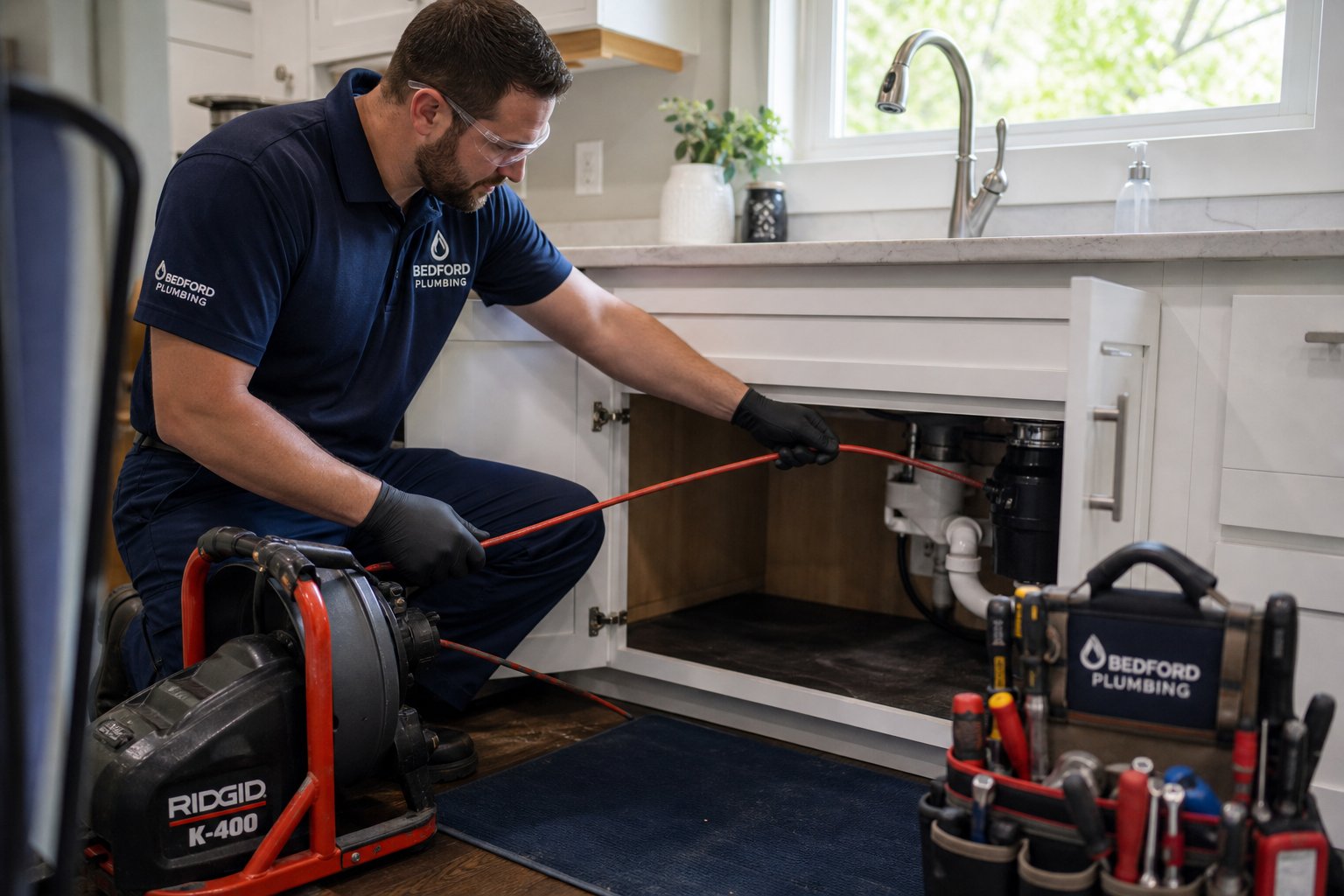
You’ll learn how services in Bedford tackle common causes like grease, hair, tree roots, and silt.
This post guides you to pick a trusted drain cleaning provider and know what to expect from quotes, guarantees, and response times.
Key Takeaways
- Use a 24/7 local drain cleaning service for fast emergency response.
- Choose providers that offer CCTV surveys and jetting for lasting results.
- Check guarantees, qualifications, and clear pricing before hiring.
Key Services for Blockages and Maintenance
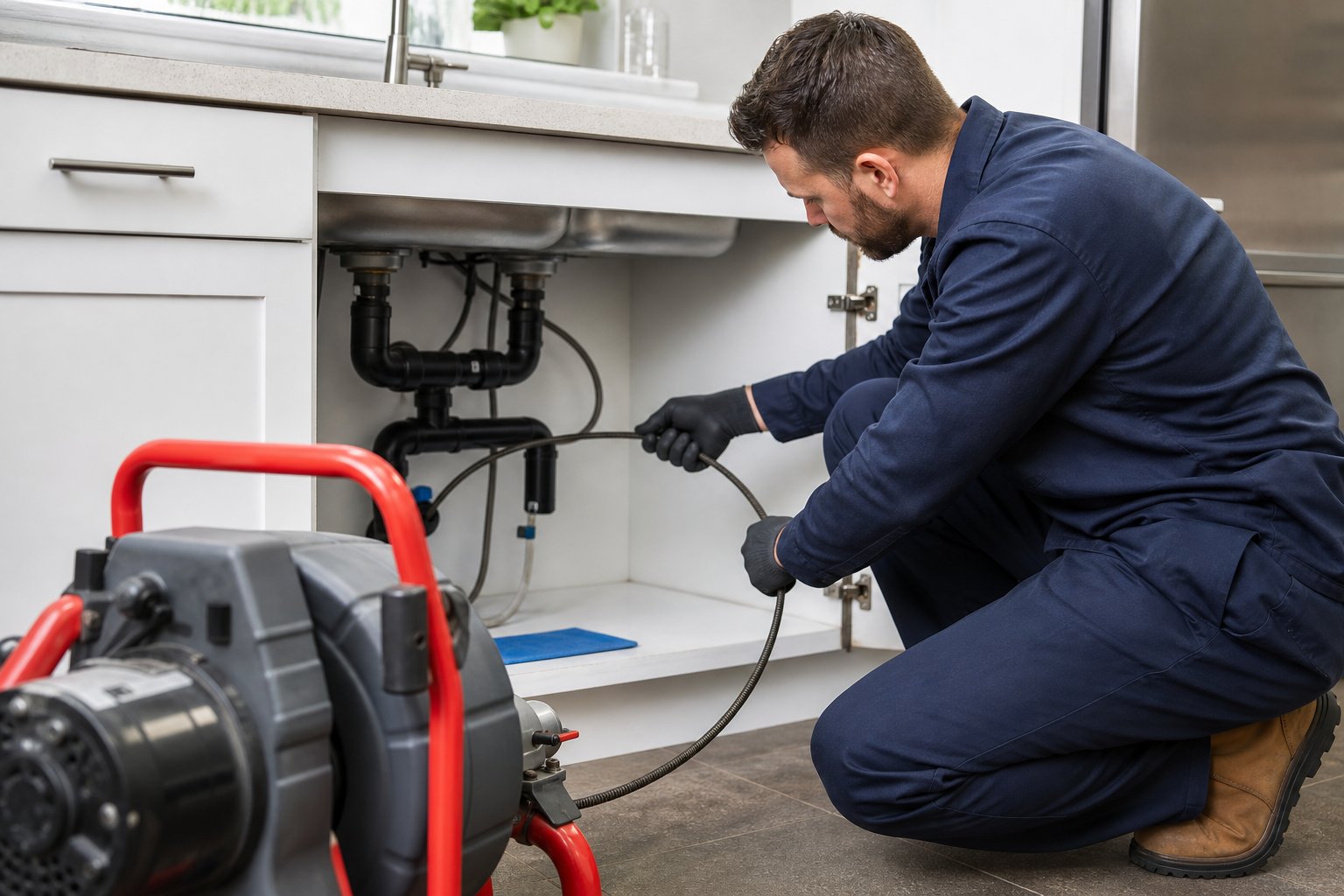
You’ll learn which services fix blockages fast, prevent repeat problems, and handle urgent sewage risks.
Expect clear steps, typical equipment used, and what to ask a Bedford drainage team before they start.
Professional Drain Unblocking
You should expect local engineers to use CCTV surveys first to find the exact blockage location and cause.
A camera run through your pipe shows roots, grease build-up, collapsed sections, or foreign objects so the team can plan the right repair.
Common tools include drain rodding for simple blockages and high-pressure jetting for grease and limescale removal.
Rodding clears hair and small debris quickly.
Jetting blasts away compacted material and is often recommended in Bedford because hard water limescale can cause recurring slow drains.
Ask for a written quote that lists the method, any parts or excavation, and whether a post-work CCTV report is included.
This protects you from surprise fees and shows the company’s confidence in the work.
Emergency Drain Cleaning Solutions
When wastewater backs up or smells strongly, you need same-day response and clear safety steps.
Emergency crews typically offer a 24/7 call-out and will triage the problem on the phone to decide whether to send jetting crews or a vac tanker.
If sewage is in the property, they will isolate the affected area, use PPE, and remove standing waste before clearing the pipe.
High-pressure jetting and vac-tanking remove solids and liquids safely and reduce contamination risk.
Confirm response time, fixed emergency fees, and whether the team will provide temporary measures (like pumped bypass or flow diversion) to protect your property while they work.
Quick, transparent action limits damage and health risks.
Routine and Preventative Drain Maintenance
You should plan routine checks to stop blockages forming and to extend pipe life.
Typical maintenance packages include scheduled CCTV inspections, periodic jetting to remove grease and limescale, and gully cleansing to keep surface water flowing.
A maintenance visit often records pipe condition, joint movement, and root ingress trends.
That lets you target repairs before failure and avoid costly emergency call-outs.
For properties on clay soil or near the River Great Ouse, more frequent monitoring may be advised because ground movement and groundwater levels raise risk.
Ask your provider for a maintenance schedule, a clear price for each visit, and a log of past inspections.
This helps you compare results year to year and proves the cleaning has reduced blockages over time.
Advanced Techniques and Equipment
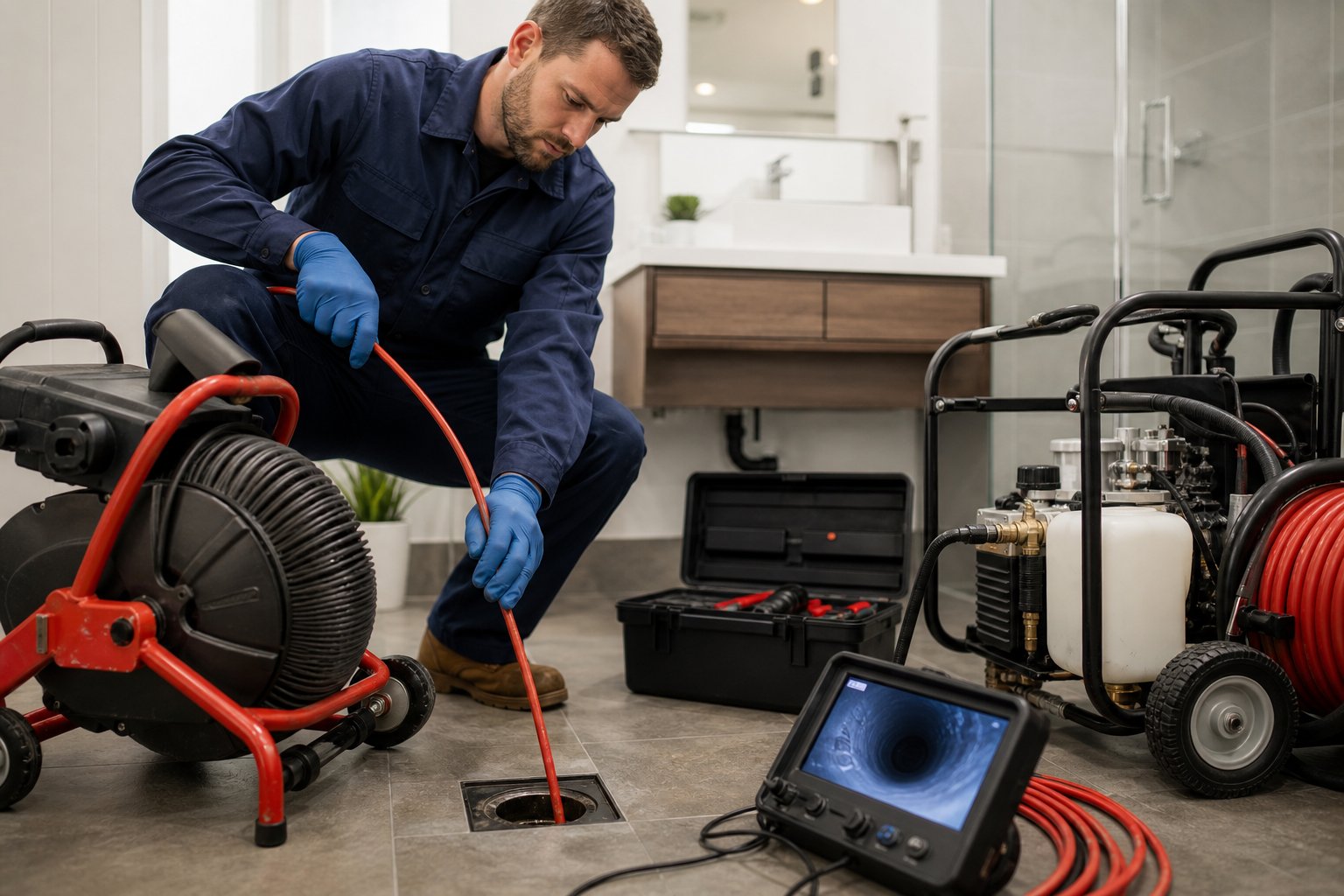
You will read about the main tools used to clear and inspect drains, plus the repair methods that restore long-term flow.
These techniques target both stubborn blockages and hidden pipe damage so you get a reliable fix.
Drain Jetting for Fast and Effective Cleaning
Drain jetting uses a high-pressure water stream to clear blockages and soap scum, grease, roots, and mineral build-up from your pipes.
Technicians feed a specialist hose into the drain and direct a controlled jet of water at pressures that range from a few hundred to several thousand PSI depending on the pipe size and material.
Jetting removes debris down to the pipe wall without chemicals.
You will see faster flow after a single pass in most household drains.
Operators can adjust pressure and nozzle type to avoid damaging older clay or brittle pipes, so always confirm the installer’s experience with local pipe materials.
Expect the crew to test flow before and after jetting and to remove displaced debris.
For recurring blockages from tree roots or collapsed sections, jetting often works best when paired with a CCTV inspection to confirm the pipe condition.
CCTV Drain Surveys and Inspections
A CCTV drain survey uses a waterproof camera on a flexible rod to record the inside of your pipes.
You get a clear video showing cracks, displaced joints, root intrusion, silt build-up, and the exact blockage location measured by a distance counter on the cable.
You can watch the footage with the technician or receive a short report and still images.
This helps you avoid unnecessary digging by pinpointing whether the problem sits under a garden, driveway, or inside a wall.
Surveys also verify whether jetting cleared the issue or whether repairs are needed.
Technicians usually combine CCTV work with jetting.
That way you confirm pipe condition both before and after cleaning.
Ask for the recorded clip and a written distance-marked report for insurance or future reference.
Drain Repairs and Relining
When CCTV shows damaged pipes, repairs range from local patching to full relining.
Trenchless relining installs a resin-coated liner inside the existing pipe, curing it in place to form a new seamless pipe without excavation.
This method keeps your surfaces intact and often completes in a day.
For small holes or offset joints, crews can use targeted welding, resin patches, or sectional replacements.
You should request a cost and lifespan estimate for each option; relining typically adds 25–50 years of service life depending on materials used.
Choose contractors who explain repair warranties, test the relined section with CCTV after curing, and provide written guarantees.
That ensures the repair holds and prevents repeat visits for the same problem.
Relevant local providers use these methods routinely; for example, many Bedford teams offer both high-pressure jetting and CCTV surveys as part of their drain cleaning services (see drain cleaning in Bedford for details: https://bedford.lcldrains.co.uk/).
Specialized Solutions for Residential and Commercial Properties
You will find targeted services for both homes and businesses.
The work focuses on fast unblocking, lasting repairs, and practical prevention so you can avoid repeat problems.
Residential Drainage Solutions
You get a full inspection first, often with CCTV to spot cracks, tree roots, or collapsed pipes without digging up your garden.
Technicians use high-pressure jetting for hair, soap scum, and grease, and mechanical rodding for deep blockages.
Repairs range from local patching to full pipe replacement.
For small repairs, trenchless methods like relining limit lawn disruption and cut repair time.
For recurring problems, teams can fit grease traps or sump pumps and give a clear maintenance plan.
Expect clear pricing, a written report after CCTV surveys, and practical advice on what not to pour down sinks.
Local drain cleaning Bedford companies typically offer emergency call-outs and planned maintenance packages for busy households.
Commercial and Industrial Drainage Needs
You need faster response and compliance documentation for shops, restaurants, and factories.
Drainage Bedford specialists provide rapid 24/7 unblock services, planned desludging, and compliance reports to meet health and safety rules.
Work includes clearing grease, fatbergs, and business waste using powered drain rods, jetting, and high-capacity vacuum tankers.
For industrial sites, teams assess pipe capacity, install interceptors, and monitor flow with CCTV surveys to prevent production downtime.
You should request proof of insurance, method statements, and service records.
Many Bedford drainage firms also offer scheduled contracts to keep your premises operational and to reduce the chance of emergency call-outs.
Grease Trap Cleaning and Flood Preparation
Grease trap cleaning is vital if your business handles food.
Technicians empty and degrease traps, remove solids, and record weights and disposal details so you meet environmental rules.
Regular cleaning prevents blockages that cause slow drains or sewage backups.
Flood preparation includes assessing low points, fitting non-return valves, and checking gullies and soakaways.
Teams can install or service pumps and provide flood response plans that list shut-off points and emergency contacts.
Ask for a written maintenance schedule and evidence of legal waste disposal.
Local drain cleaning services in Bedford often combine trap cleaning with CCTV surveys and emergency flood response to keep your property compliant and protected.
Common Causes of Drain Problems in Bedford
You will most often face blockages from everyday waste, mineral build-up, and ground conditions that shift older pipes.
Each cause needs a different fix, from simple drain unblocking to full CCTV inspection and targeted drain cleaning.
Blockages from Everyday Waste
Food fats, wet wipes, hair, and sanitary items are the top causes of slow or blocked drains in homes.
Fats and grease coat pipe walls when they cool and form sticky deposits that trap food and debris.
Wet wipes and sanitary products do not break down; they create dense obstructions in sinks, toilets, and soil stacks.
Try these quick checks: avoid pouring cooking oil down the sink, use sink strainers, and flush only toilet paper.
If you do get a blockage, a local drain unblocking service can often clear it with high-pressure jetting or a drain rod.
For repeated kitchen or toilet backups, ask for a CCTV survey to locate the buildup point before more disruptive work begins.
Limescale, Tree Roots, and Soil Movement
Bedford’s hard water leads to limescale inside pipework.
Limescale narrows pipes, so even small debris then causes a clog.
Older properties often have clay pipes and mortared joints that crack as the ground moves.
Clay joints let roots enter; tree roots seek moisture and grow into hairline cracks, forming thick root balls.
If you have regular slow drains across several fixtures, limescale or root intrusion is likely.
Professional drain cleaning in Bedford uses mechanical cutting heads or chemical descaling for limescale, and root cutting followed by lining or repair for damaged pipes.
For properties near the River Great Ouse or on clay soil, mention ground movement when you book a survey so engineers check for structural issues.
Preventing Recurring Issues
Set simple rules: pour fats into a container for the bin, use drain strainers, and never flush wipes or sanitary items.
Run hot water for short periods after washing greasy pans to keep oils moving toward the grease trap or bin.
Install an inline grease interceptor if you do heavy cooking often.
Schedule proactive drain cleaning every 1–3 years if you live in an older home or have a history of blockages.
Regular CCTV inspections catch early cracks, root entry, and limescale before they need major repairs.
When you book drain cleaning Bedford services, ask about fixed-price drain unblocking and follow-up reports so you know what work was done and what preventative steps to take.
Selecting a Reliable Drain Cleaning Provider
Check for trained technicians, clear fees, and fast response times.
Focus on qualifications that prove safe work, service hours that match your needs, and written pricing or guarantees before any job starts.
Certifications and Industry Accreditations
Look for technicians with formal plumbing or drainage qualifications and membership of recognised trade bodies. These show the company follows standards for safe work and ongoing training.
Ask for registration numbers or certificate photos before you book. CCTV surveys, high-pressure jetting, and no-dig repair require specific training and equipment.
Confirm the team has experience with these methods for professional drain cleaning in Bedford, especially if you need a detailed diagnosis or pipe relining. Check that the provider carries public liability insurance and, where relevant, waste carrier or environmental permits.
These protect you if work damages your property or if waste needs safe disposal. If they can’t produce proof, choose another contractor.
Response Times and Customer Service Standards
Confirm the provider’s normal and emergency response times in writing. If you need emergency drain cleaning, ask whether they offer 24/7 call-outs and how quickly an engineer will arrive in Bedford post-call.
Get a realistic time window, not vague phrases like “quick response.” Ask about communication steps: call handling, ETA texts, and a single point of contact.
Good companies give an upfront arrival window and follow up after the job. Note who you’ll call if something goes wrong after work finishes.
Check reviews for on-time arrivals, polite technicians, and how companies handle complaints. Local firms that cover Bedford often advertise response facts and fixed-fee emergency options; compare those claims to recent customer feedback before deciding.
Transparent Pricing and Guarantees
Request a clear written quote before work starts. The estimate should list call-out fees, labour, parts, VAT, and any extra charges for CCTV surveys or jetting.
Avoid companies that only give verbal estimates or pressure you into immediate payment. Look for fixed-fee options for common jobs like toilet or sink unblocking.
Fixed pricing reduces surprise costs during emergency drain cleaning. Also ask about guarantees: how long workmanship is covered and what happens if the blockage returns.
Confirm payment methods, warranty paperwork, and a cancellation policy. If the company offers follow-up checks or free re-attendance within a time window, get that promise in writing.
Keep copies of all documents for future reference.
Frequently Asked Questions
These answers cover typical costs, what changes price, signs that need a pro, safe ways to clear a main sewer line, what the 135 rule means, and how to pick a trustworthy local drain service.
How much does it typically cost to have a drain professionally unclogged?
A simple sink or shower unblock usually costs less than a main sewer repair. Expect a local call-out with basic clearing to run from a modest fixed fee up to a few hundred pounds depending on time and gear.
Emergency call-outs, CCTV surveys, or dig-and-repair jobs raise the price. Some Bedford companies advertise no call-out fee and one-hour response for emergencies, which can affect what you pay (see Bedford Drains for local service details: https://bedford-drains.co.uk/).
What factors affect the price of a professional drain cleaning service?
Type of blockage matters: hair and grease clear quickly; tree roots and collapsed pipes need more work. Location and depth of the pipe raise labour and machinery needs.
Equipment used changes cost: hand rodding is cheaper than powered jetting or a CCTV survey. Time of day also affects price — nights and weekends often incur emergency rates.
How can I tell whether a slow drain needs professional attention or a DIY fix?
If multiple fixtures back up at once, you likely have a main drain issue and should call a pro. If only one sink is slow, try mechanical clearing first, like a plunger or hand auger.
Bad smells, gurgling noises, or sewage on the floor signals professional help now. Repeated blockages after DIY attempts also mean you need a trained engineer and possibly a CCTV inspection.
What is the easiest and safest way to clear a blockage in a main sewer line?
Start by calling a qualified drainage engineer rather than using chemicals or persistent DIY methods. Engineers use high-pressure water jetting and mechanical cutters to remove roots and sludge safely.
If excavation is required, trained crews follow safety and waste rules and can repair pipe sections. Avoid pouring corrosive chemicals into a main sewer; they can harm pipes and the environment and usually make repair harder.
What does the 135 rule in plumbing refer to, and why does it matter for drain lines?
The 135 rule sets a maximum combined slope and alignment limit used when designing pipe runs to ensure proper flow. It helps prevent long flat runs that cause sediment build-up or steep drops that stress joints.
Following this rule reduces the chance of future blockages and keeps water flowing at the right speed. If your drains were installed without regard for this, a surveyor or plumber can point out problematic runs.
How do I choose a reliable local drain service, and what should I look for in reviews?
Check that the company lists accreditation, insurance, and clear guarantees. Local firms often show customer ratings and fast response claims; verify these with recent reviews and photos of completed jobs.
Look for mentions of clear pricing and use of CCTV surveys. Contact the firm and ask specific questions about methods, expected timings, and guarantees before you book.