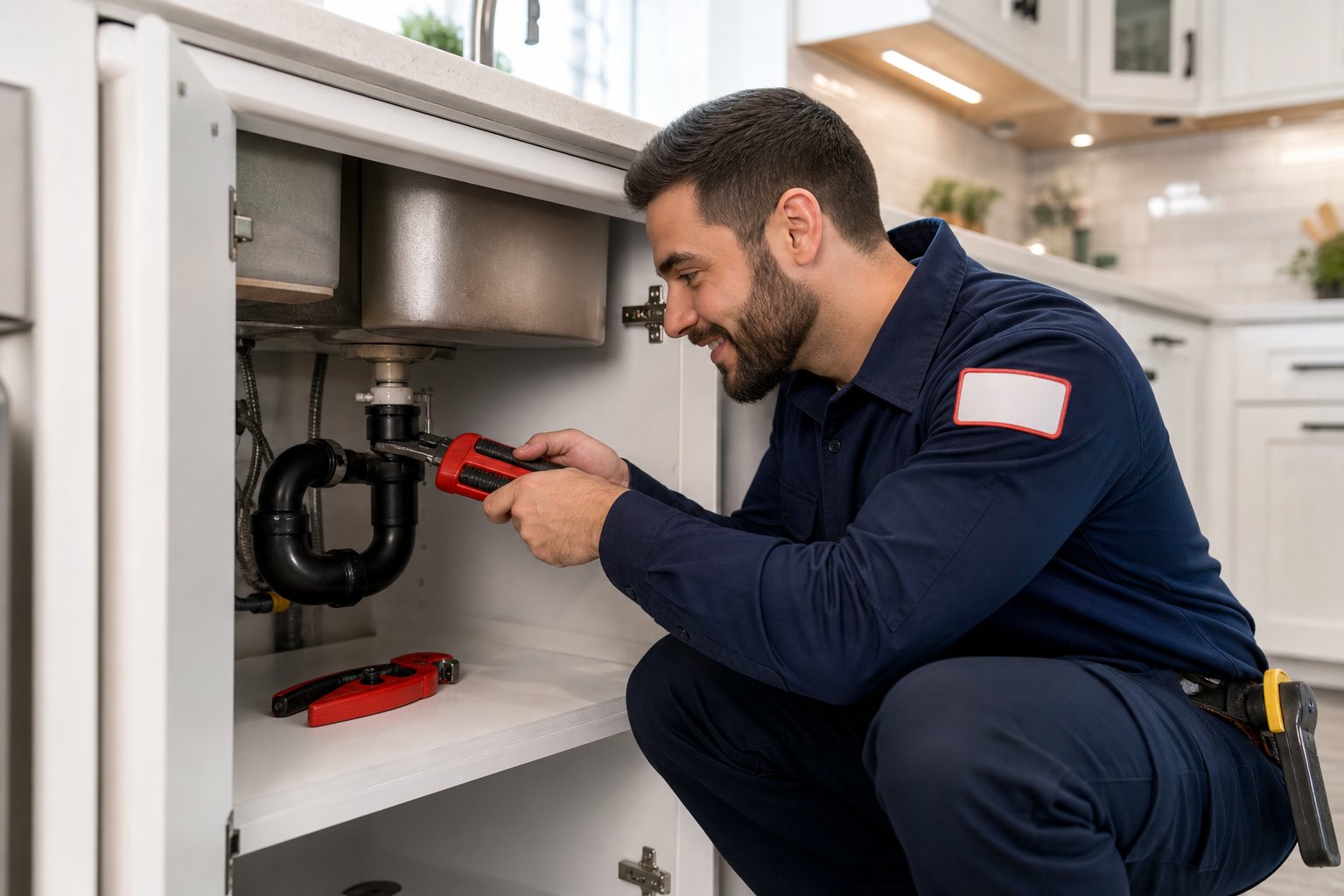
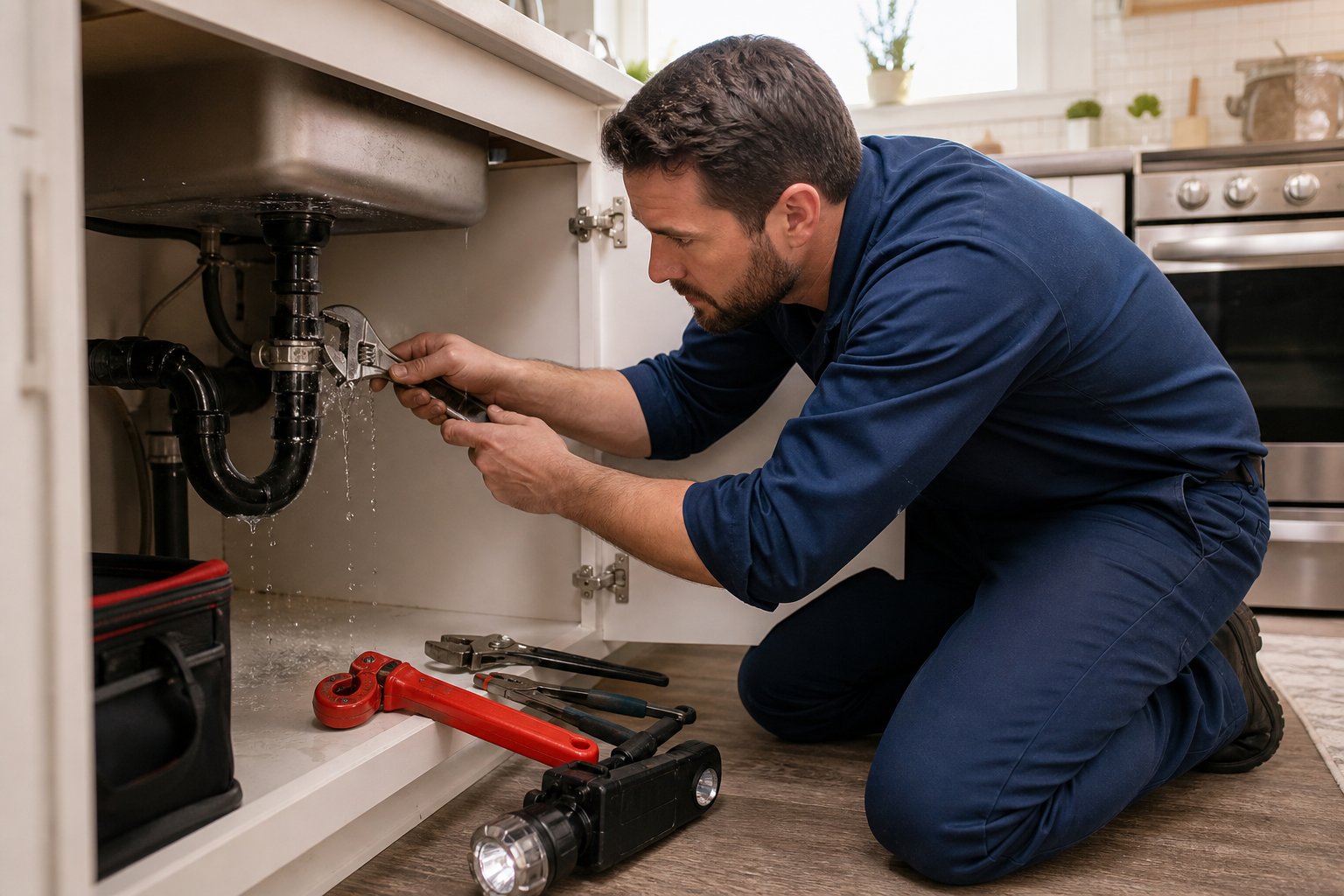
You need fast, reliable plumbing care in Arlington that fixes problems now and stops them from coming back. Whether a slow sink, a burst pipe, or a water heater that won’t keep up, you’ll want a team that knows local codes, offers emergency response, and uses proven fixes.
You can get trustworthy, licensed plumbers in Arlington who handle drains, leaks, water heaters, and gas lines with clear pricing and fast service.
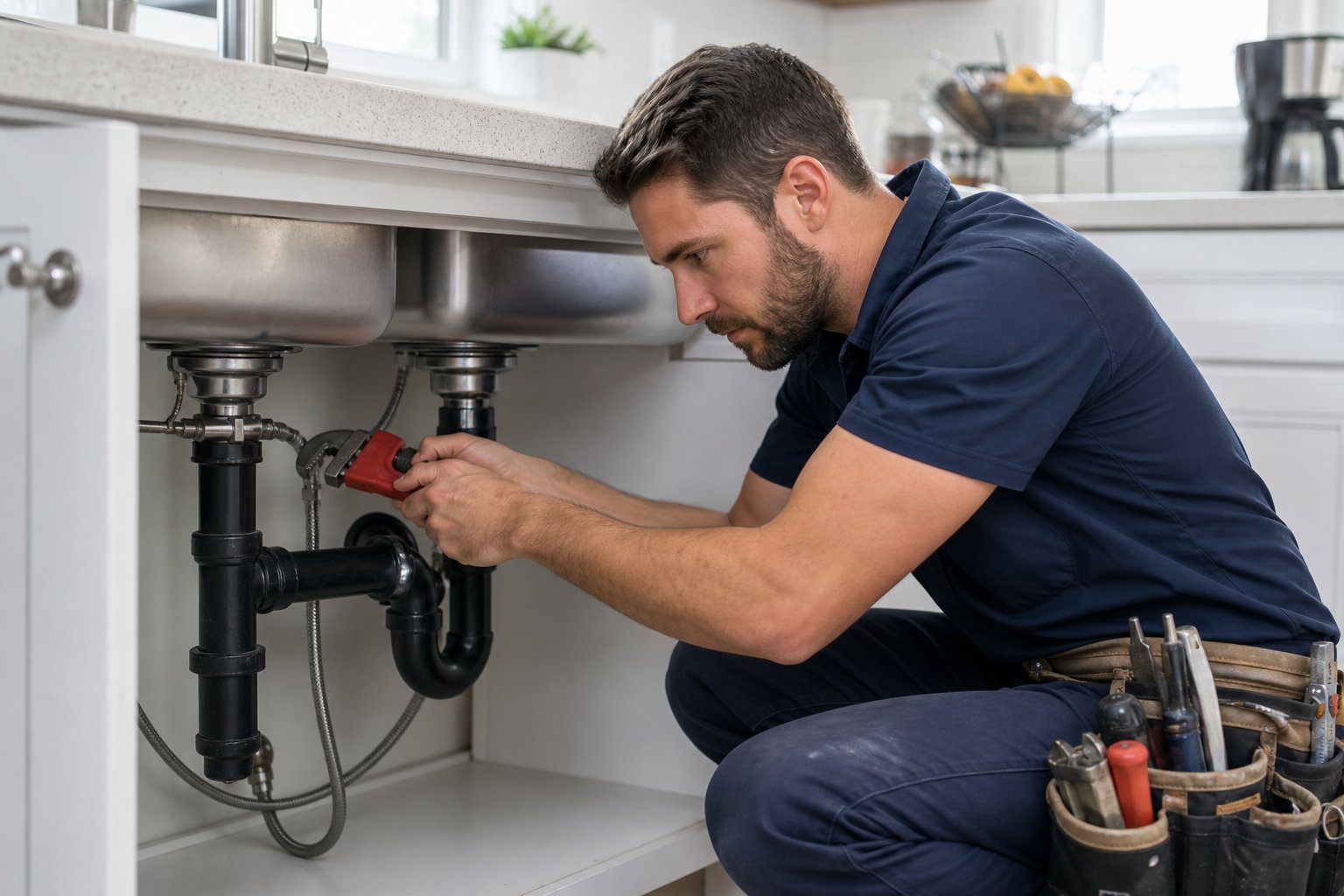
This guide helps you spot the right plumbing pros, know what services to expect, and prepare for common repairs so you avoid surprises. Use the tips here to save time, protect your home, and get lasting results.
Key Takeaways
- Find licensed, insured plumbers who offer both emergency and scheduled services.
- Expect full drain, leak, and water heater work plus clear price estimates.
- Prepare simple checks to speed up repairs and reduce costs.
Comprehensive Plumbing Solutions in Arlington
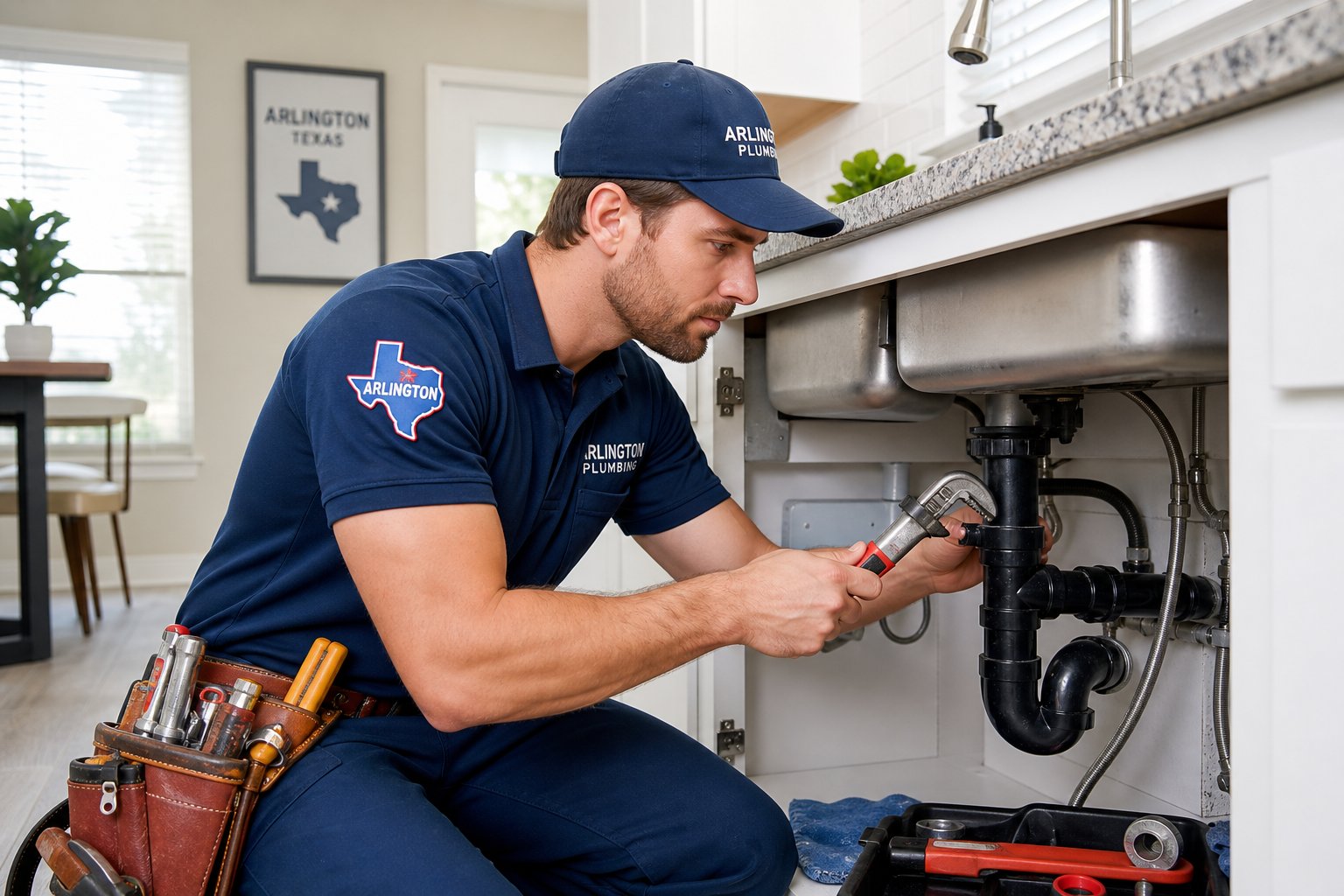
You can expect complete care for pipe repairs, drain clearing, water heaters, and sewer issues. The team focuses on fast diagnostics, clear pricing, and work that lasts.
Full-Service Residential Plumbing
You get repairs for leaks, clogged drains, and low water pressure. Technicians inspect fixtures, test for slab leaks, and replace or repair water heaters.
They use camera inspections to find hidden blockages and sewer line problems without digging up your yard. Work includes fixture installs (toilets, faucets, showers), repiping sections of homes, and routine maintenance like drain cleaning.
Estimates list labor and parts so you know the cost before work starts. Licensed plumbers follow local codes and leave work areas clean.
If you have an older home, they check pipe materials and suggest phased upgrades to reduce future failures. For water heaters, they offer tank and tankless options and explain energy and space differences so you can choose what fits your home.
Reliable Commercial Plumbing Services
You receive services tailored to businesses, property managers, and multi-unit buildings. Plumbers handle high-flow systems, grease traps, backflow preventers, and restroom rebuilds.
They plan around business hours to limit downtime. Service includes regular maintenance contracts, emergency line clearing, and full repipe projects for commercial fixtures.
Technicians document work and provide compliance paperwork for inspections. They size pumps, pressure systems, and drains to meet building codes and usage needs.
For retail and restaurant clients, they address grease buildup and sewer backups with scheduled cleaning and enzyme treatments. For property managers, they streamline requests with clear work orders and invoicing to speed tenant turnover.
Emergency Response and 24/7 Availability
You can call any time for burst pipes, sewer backups, or overflowing fixtures. Emergency teams dispatch quickly and carry tools for temporary containment and permanent fixes.
Response times and after-hours fees are explained up front. Plumbers stabilize the scene first — shutoff valves, temporary patches, and water extraction.
Then they perform diagnostics like leak detection and camera scopes to prevent repeat calls. They offer same-day parts ordering and prioritize safety for electrical and structural risks.
Keep the emergency contact handy and ask about warranty coverage for emergency repairs. Many teams log the visit and send detailed invoices so you have records for insurance claims or landlord reporting.
Specialized Drain Cleaning and Unclogging Services
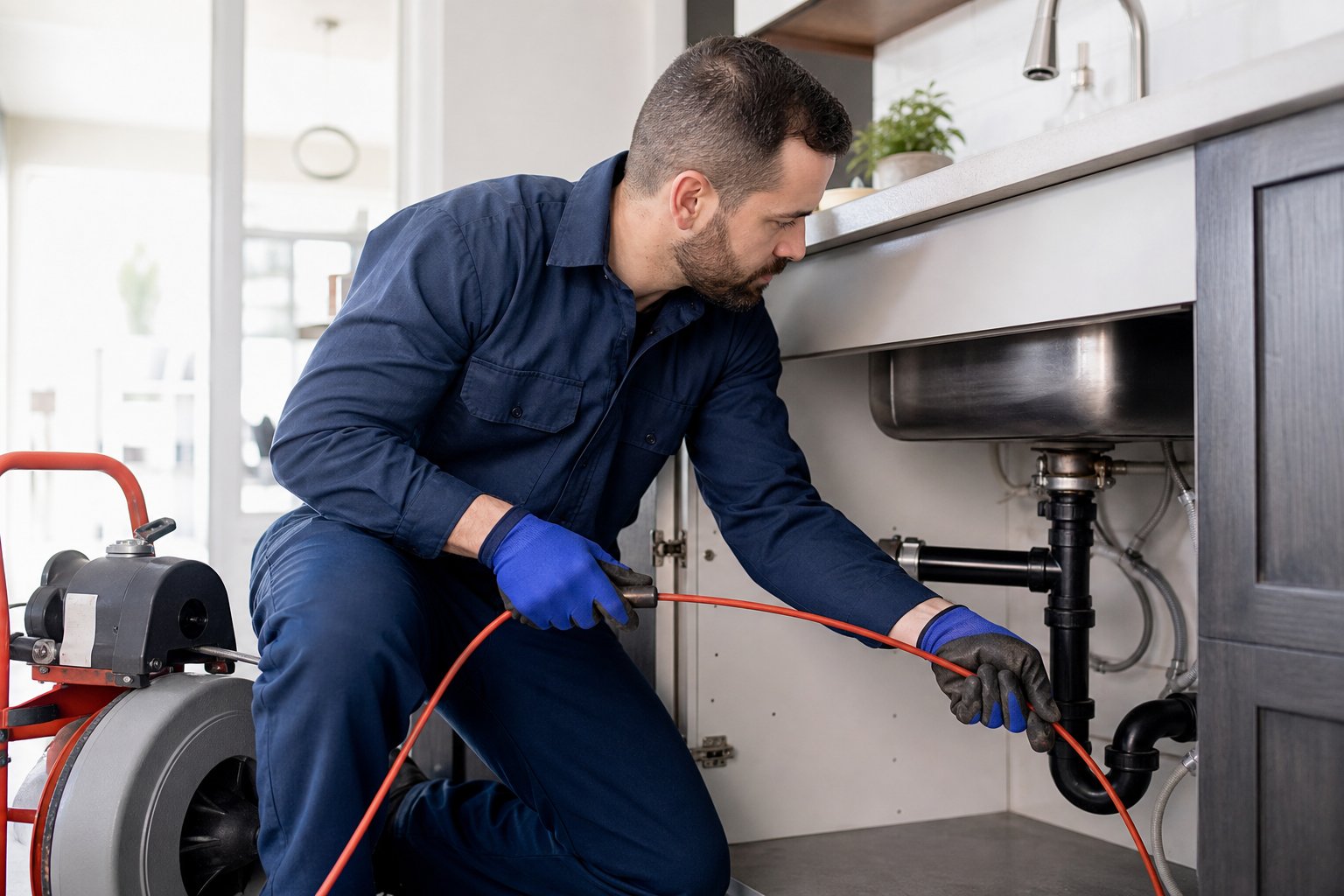
You’ll learn how technicians clear kitchen and bathroom clogs, handle sewer backups, and use tools like snakes, hydro-jetters, and camera inspections. This section explains the steps they take, what tools they choose, and simple maintenance you can do to reduce repeat problems.
Tackling Clogged Drains and Sewer Backups
When a single sink or shower drains slowly, plumbers check traps and remove hair, grease, and soap buildup by hand or with a motorized drain snake. If multiple fixtures back up, you likely face a main sewer line clog that needs immediate attention.
Technicians perform a camera inspection to locate roots, collapsed pipe sections, or heavy grease blocks before starting work. For sewer backups, crews isolate the affected drains, protect floors, and use a cable auger or hydro-jet to clear the line.
If the camera shows damage, they recommend sewer line repair rather than repeated cleaning. You should avoid pouring grease down kitchen drains and use hair screens to lower your risk of recurring clogs.
Advanced Drain Cleaning Methods
Technicians select tools based on clog type and pipe material. Motorized drain snakes (up to 100 feet) cut through hair, paper, and small roots.
Hydro-jetting blasts 3,000–4,000 PSI water to remove grease, mineral scale, and deep-root intrusion for main lines. Video camera inspection gives a clear view of the pipe interior and helps target repairs.
When roots or broken pipe sections appear, plumbers may use sectional repairs or full sewer replacement. Chemical cleaners often damage older pipes, so professionals favor mechanical or water-based methods.
Ask for a camera report so you see the problem and the chosen method before work begins.
Preventative Drain Maintenance
Schedule annual or semiannual cleanings if you have older plumbing, large households, or frequent clogs. Regular maintenance can include camera inspections, enzyme treatments for organic buildup, and targeted hydro-jetting to prevent heavy grease or root accumulation.
Simple actions you can take: don’t pour cooking oil down sinks, use fine mesh hair catchers, and run hot water after greasy tasks. Keep trees and shrubs away from sewer lines or have roots treated early.
If drains slow repeatedly in the same spot, request a camera inspection — it often reveals root intrusions or pipe bellies that need repair rather than cleaning alone.
For professional drain cleaning and unclog services in Arlington, look for licensed plumbers who offer camera inspection, hydro-jetting, and clear recommendations for sewer line repair when needed.
Leak Detection and Water Pressure Issues
You need fast, accurate leak location and clear fixes for low water pressure or hidden slab leaks. The right tests and targeted repairs protect your floors, lower bills, and restore steady water flow.
Accurate Leak Detection Techniques
Start with a water meter test: shut off all fixtures and read the meter, wait 30 minutes, and check for movement to confirm a leak. Use acoustic listening devices to pinpoint small leaks behind walls or under floors.
Infrared cameras can reveal wet spots and hidden pipe runs without cutting drywall. For underground or slab leaks, employ electronic leak correlators that analyze sound patterns across pipe distances.
Noninvasive dye testing and pressure tests help isolate fixtures and sections of the system. Keep records of test results and photos so you can track progress and verify repairs.
If you suspect a gas line or major burst, stop water at the main and call a licensed plumber immediately. Quick, methodical testing reduces unnecessary repairs and limits water damage.
Fixing Low Water Pressure
First, identify whether pressure loss is whole-house or one fixture. Check the main shutoff, then examine aerators, shower heads, and supply hoses for mineral buildup.
Cleaning or replacing these parts often restores normal flow. If the whole house has low pressure, test with a pressure gauge at an outside spigot.
Normal household pressure is typically 40–60 psi; below that suggests supply issues. Inspect the pressure-reducing valve (PRV) and the main shutoff for partial closures or failure.
Corroded or partially clogged pipes can cause chronic low pressure. In older Arlington homes, galvanized lines often suffer from buildup and may need repiping with copper or PEX.
For intermittent pressure drops, check for leaks or a failing water heater that draws down system pressure during use.
Slab Leak Repair Solutions
Slab leaks occur when pipes under a concrete slab crack from shifting soil or corrosion. Signs include hot spots on the floor, unexplained high water bills, and damp carpet.
Once you confirm a slab leak with electronic detection, choose the least invasive repair available. Common repairs include epoxy pipe lining, which seals inside damaged pipes without full replacement, and pipe rerouting, where new lines run above slab level.
Spot tunneling lets a plumber access a specific damaged section when relining won’t work. For burst pipes under slabs, you may need partial slab removal to replace a section of pipe.
Ask your contractor for a written plan showing proposed access points, materials (PEX vs. copper), and moisture-mitigation steps. Proper cleanup and moisture drying prevent mold after repairs.
For trusted local help, view a directory of Arlington plumbing services that offer leak detection and slab repair options.
Water Heaters and Gas Line Services
You can get hot water reliably and keep gas lines safe with timely repairs, correct sizing, and code-compliant work. Focus on the unit type, energy needs, and clear signs of leaks or corrosion.
Water Heater Installation and Repairs
Choose the right type: tankless units save space and give on-demand hot water, while tank systems store hot water for faster delivery. A qualified tech will size the unit based on your household’s peak flow (gallons per minute) and recovery needs.
During installation, expect flushing of supply lines, proper venting, pressure-relief valve installation, and code-appropriate gas or electrical hookups. For repairs, common fixes include replacing heating elements, thermostats, dip tubes, and flushing sediment that lowers efficiency.
Watch for these signs: rusty water, rumbling sounds, slow heating, or leaks at the tank base. If you see leaks or a failing pressure-relief valve, turn off power and water, then call a licensed plumber.
Ask about warranties, energy-efficiency ratings (EF, UEF), and cost estimates for replacement versus repair.
Safe Gas Line Repair and Maintenance
Treat gas concerns as urgent. If you smell rotten eggs, hear hissing, or detect dead vegetation near buried lines, leave the building and call professionals immediately.
Never attempt to repair gas piping yourself. A certified technician will perform leak detection with electronic sniffers or pressure tests, replace corroded sections, verify fittings and shutoffs, and ensure regulators and vents meet local codes.
For appliance connections, expect properly sized piping, secure fittings, and combustion-air checks. Plan scheduled inspections if your home is over 10–15 years old or after ground movement from construction.
Keep clear access to shutoff valves and document any repairs. Proper gas-line maintenance reduces risk and keeps appliances running safely.
Insured and Licensed Plumbing Professionals
You should hire plumbers who carry the right licenses and insurance to protect your home, wallet, and schedule. Know how to check credentials, what coverage to expect, and why those protections matter for work like drain cleaning, sewer repair, or water heater replacement.
Choosing Licensed and Insured Plumbers
Look for a plumber with a Texas plumbing license number and proof of insurance before you let them start work. Ask for the license ID and verify it with the Texas Board of Plumbing Examiners.
Get their general liability and workers’ compensation insurance details. Write down policy numbers or insurer names.
Request a written estimate that lists labor, parts, and permit fees. Confirm whether the plumber pulls local permits and follows City of Arlington code.
Read recent reviews for jobs like main sewer cleaning or trenchless repairs to see real performance. If a contractor refuses to show credentials or give a written quote, choose someone else.
Why Insurance Matters in Plumbing Work
Insurance protects you if a worker gets injured on your property or if the job causes new damage. General liability covers accidental damage to walls, floors, or landscaping during excavations or sewer line repairs.
Workers’ compensation covers medical bills and lost wages if a technician hurt themselves while working on a slab leak or water heater swap. Without insurance, you could face bills for repairs, medical claims, or legal fees.
Verify coverage and ask whether their policy covers subcontractors. For major jobs, insist on proof that the insurer is current and that coverage limits are adequate for possible damage.
If you want, call the insurer to confirm the policy details before work begins.
Plumbing Resources and Ongoing Support
You can find local help, learn basic fixes, and set up ongoing service plans that save time and money. The right resources include licensed plumbers, emergency lines, parts suppliers, and clear maintenance steps you can follow.
Accessing Local Plumbing Resources
Look for licensed plumbers with good reviews and clear pricing. Check listings like Flow Bros Plumbing in Arlington, TX for local contact info and service areas.
Also compare multiple options on review sites such as Yelp to see real customer feedback and typical response times. Keep a small contact list: a 24/7 emergency plumber, a plumber who does camera inspections, and a sewer/septic specialist.
Ask each about licenses, insurance, written estimates, and warranties before you hire them. Save phone numbers and the physical address of the company you pick so you can call quickly during an emergency.
Buy basic parts and tools locally—pipe sealant, a plunger, a drain snake, and replacement washers. Hardware stores in Arlington carry these items; having them on hand avoids delays for small repairs.
Tips for Preventative Care and Maintenance
Create a simple maintenance schedule you can follow every 3–12 months. Tasks include checking faucets for leaks, testing shut-off valves, cleaning faucet aerators, and running a hot-water flush on water heaters.
Write the dates down and set phone reminders. Prevent clogs by using sink strainers, avoid pouring grease down drains, and run hot water after washing oily dishes.
For toilets, only flush paper and human waste; dispose of wipes and dental floss in the trash. These habits cut down on emergency calls.
Plan a yearly camera inspection or professional drain cleaning if your home is older or has recurring clogs. Technicians can spot tree roots, corrosion, and early sewer damage before they cause backups.
Ask about preventive plans or service agreements to lock in regular visits and priority response.
Frequently Asked Questions
You will find straight answers about costs, emergency hours, arrival times, common clog causes, technician credentials, and water safety in Arlington, TX. Each answer gives clear steps you can take and typical ranges to expect.
How much does a typical drain cleaning or plumbing repair cost in Arlington, TX?
Typical basic drain cleaning in Arlington often runs between $100 and $300 for a standard home-service call. More complex jobs, like hydro-jetting, main sewer line cleaning, or repairs to damaged pipes, can range from $300 to $1,500 or more depending on scope and materials.
Always ask for a written estimate before work begins. Emergency calls, after-hours service, and major replacements usually add extra fees.
Learn more about local pricing norms and services from a local provider like Baker Brothers for drain and sewer maintenance in Arlington, TX. (https://bakerbrothersplumbing.com/arlington-tx/drain-sewer-maintenance/)
Do you offer 24/7 emergency plumbing and drain service in Arlington, TX?
Many local plumbing companies provide 24/7 emergency service for burst pipes, sewer backups, and major leaks. Call ahead to confirm availability and after-hours premiums.
Companies such as Roto-Rooter advertise round-the-clock service for urgent plumbing needs in Arlington. (https://www.rotorooter.com/arlingtontx/)
How quickly can a mobile plumber arrive for a clogged drain in Arlington, TX?
Typical arrival windows for local plumbers in Arlington are about 30–60 minutes for urgent calls, depending on traffic and crew availability. For non-urgent appointments, same-day service or scheduling within a few days is common.
Ask the dispatcher for an estimated arrival time when you call so you can plan while they travel to your home.
What are the most common causes of recurring drain clogs in homes in Arlington, TX?
Kitchen clogs often come from grease, food particles, and improper disposal of fats. Bathroom clogs usually form from hair, soap scum, and personal-care products.
Tree roots and mineral buildup from hard water can cause repeated sewer line problems in the Arlington area. Regular maintenance and avoiding grease down the sink reduce recurring clogs.
Are your plumbing and drain technicians licensed and insured to work in Arlington, TX?
You should hire plumbers who hold a valid Texas plumbing license and carry liability insurance. Licensing shows they meet state training and code requirements; insurance protects your home if damage occurs during work.
Confirm credentials before the job starts and request proof of insurance and license numbers for your records.
Is Arlington, TX tap water safe to drink, and can plumbing issues affect water quality?
Arlington’s municipal tap water meets state and federal testing standards at the treatment plant. However, local plumbing problems like corroded pipes, cross-connections, or recent repairs can affect water quality inside your home.
If you notice discoloration, a metallic taste, or unusual odor after plumbing work, stop using the water for drinking and contact your plumber.
Consider testing water and flushing lines after repairs to restore normal water quality.