If your HVAC system struggles to keep your home comfortable or costs keep rising, replacing it can save you money and stress.
You can get a properly sized, energy-efficient HVAC replacement in North Richland Hills, TX that improves comfort and lowers bills when installed by a qualified local contractor.
This guide shows when replacement makes sense.
Learn how to choose the right system for your house or business, and what to expect during a professional install.
Use this info to decide confidently and avoid common pitfalls.
Key Takeaways
- Look for age, rising bills, and uneven temperatures as signs you may need replacement.
- Match system type and size to your property to improve efficiency and comfort.
- Hire licensed local technicians for proper installation and long-term performance.
When to Consider Replacing Your HVAC System
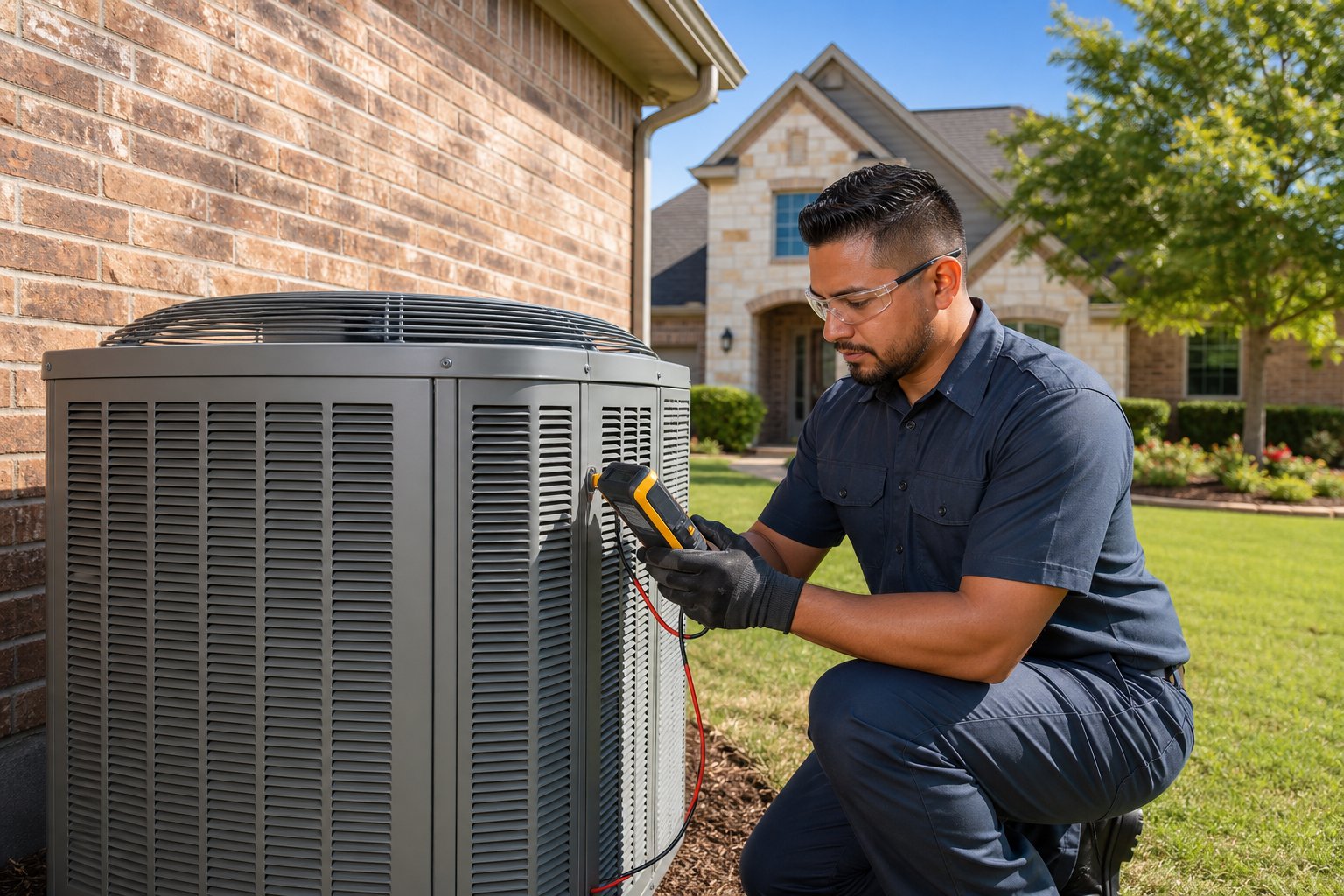
If your home has rising energy bills, uneven rooms, or frequent breakdowns, those issues often point to a system that warrants close inspection.
Replacing an HVAC can restore comfort, cut operating costs, and reduce emergency repairs.
Warning Signs Your System Needs Replacement
Watch for steady increases in your electric or gas bills when your household habits haven’t changed.
A unit that once cooled evenly but now leaves bedrooms hot or the living room cold usually means loss of capacity or failing airflow.
Listen for unusual noises like rattling, clanking, or loud short-cycling.
These sounds often signal worn compressors, failing motors, or duct problems that cost more to keep fixing.
If you need AC repair or heating repair several times a year, replacement typically becomes more cost-effective.
Also check for refrigerant type.
If your AC still uses R-22 (Freon), repairs can be expensive and parts scarce.
Frequent humidity problems, stale air, or visible rust and corrosion on the outdoor unit are further red flags.
Age and Efficiency Considerations
Most HVAC systems last about 10–15 years.
If your system is in that range, compare its current Seasonal Energy Efficiency Ratio (SEER) or AFUE rating to modern units.
Newer AC replacement models often cut cooling costs by 20–40% versus older, low-SEER systems.
Consider energy rebates and local incentives that lower upfront cost for high-efficiency systems.
A newer heat pump or high-efficiency furnace also reduces repair frequency and improves indoor air quality.
If your thermostat is old, a smart or programmable replacement can boost savings without a full system swap, but only if the rest of the system is sound.
Match system size to your home.
An oversized or undersized unit short-cycles or runs constantly, raising bills and wear.
A professional load calculation will tell you whether your current unit still fits your home’s needs.
Repair vs. Replacement Cost Analysis
Track repair frequency and total spend over the past 12–24 months.
If one repair costs more than half the price of a new unit, replacement is usually the smarter choice.
Add projected annual repair costs and energy savings from a new system to estimate a simple payback period.
Use this checklist to compare options:
- Current unit age and recent repairs
- Estimated cost of next major repair
- Expected efficiency gain (SEER/AFUE) with replacement
- Local installation and permit costs
- Available rebates or tax credits
Get multiple quotes from licensed HVAC companies to compare equipment, warranties, and installation practices.
Ask each installer for a written estimate that shows the expected energy savings and warranty length.
That information lets you decide between continued AC repair or a full HVAC replacement with confidence.
Choosing the Right HVAC Solution for Your Property
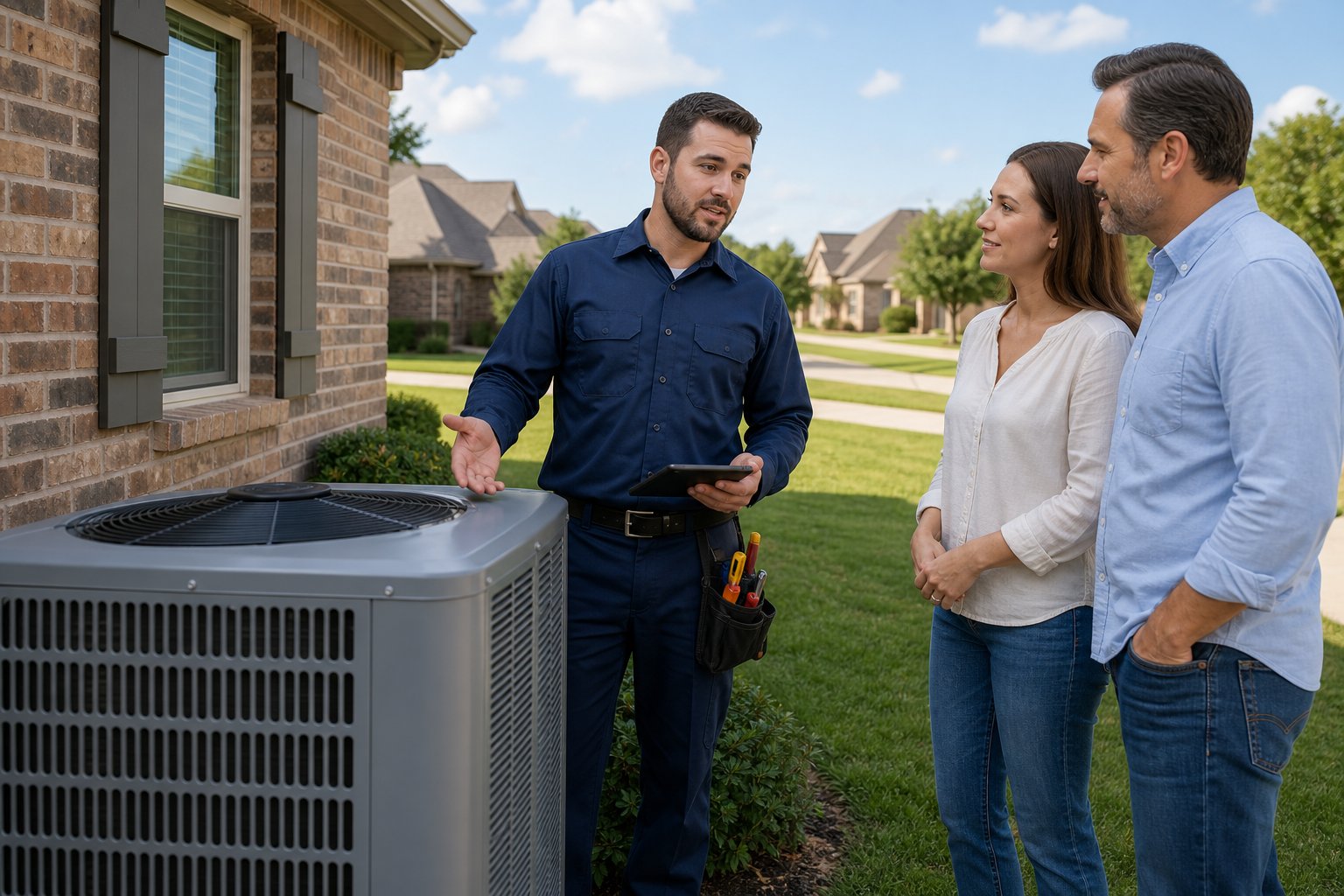
You need a system that matches your home’s size, layout, and budget while cutting energy use and improving comfort.
The sections below explain how to pick system types and sizes, why newer equipment helps, which efficiency and smart upgrades matter, and how to tailor the install to your home’s needs.
Selecting System Types and Sizing
Choose a system that fits your home’s square footage and heating/cooling load, not just the brand or price.
A Manual J load calculation tells you the correct capacity in tons or BTUs; skip installers who guess by rule of thumb.
For homes with existing ductwork, a high-efficiency split system or heat pump often provides the best balance of cost and performance.
If your home lacks ducts, a ductless mini-split gives room-by-room control and easier installation.
Right sizing avoids short cycling, uneven rooms, and higher energy bills.
Discuss SEER and AFUE ratings with your installer and confirm refrigerant type and line-set work for any ac installation.
Ask for a written scope that lists equipment models, warranty, and any duct modifications.
Benefits of Modern Heating and Cooling Equipment
New systems run quieter and more efficiently than older units.
Modern heat pumps can provide both heating and cooling year-round, reducing the need for separate furnace and AC systems in many Texas homes.
Upgraded compressors and variable-speed motors improve humidity control and keep temperatures steady across rooms.
You also gain longer service intervals and better indoor air quality with advanced filtration options.
New equipment often includes longer manufacturer warranties and improved parts availability.
When comparing quotes, weigh lifetime energy savings and expected repair costs, not only upfront price.
Energy Efficiency Upgrades and Smart Features
Focus on upgrades that cut kilowatt and fuel use.
Look for high SEER ratings on air conditioners and high AFUE on furnaces or high HSPF for heat pumps.
Variable-speed blowers and two-stage compressors reduce peak demand and lower monthly bills.
Properly sealed ducts and upgraded insulation amplify these savings.
Add a programmable or smart thermostat for scheduling and remote control.
Smart thermostats can reduce runtime during unoccupied hours and let you track energy use.
Consider zoned control if certain rooms need different temperatures.
Request an estimate showing projected energy savings so you can compare payback periods.
Customization for Home Comfort
Tailor the system to how you live.
If someone works nights, set up zones or separate thermostats to cool occupied areas only.
For homes with pets or allergies, choose higher MERV-rated filters or add UV or electronic air cleaners to your hvac installation.
For older houses, assess duct sealing and register placement to fix hot or cold spots.
During the install, require protective measures like drop cloths and clear communication about timing.
Ask the technician to balance airflow and show you how to use controls.
Get all changes and warranties in writing so your heating and air conditioning system delivers the comfort and reliability you expect.
Professional HVAC Replacement and Installation Process
You will see the full sequence from initial removal to final testing.
Learn how ducts may change, the expected timeline on replacement day, and the tests technicians run to confirm performance.
The goal is a safe, efficient swap to a properly sized system that meets your comfort and efficiency needs.
Overview of Installation Steps
A certified HVAC technician starts with a site inspection and system sizing.
They check your current unit’s age, serial numbers, and performance data, then calculate load requirements using Manual J or similar methods to pick the correct capacity.
You should receive a written equipment recommendation and price before work begins.
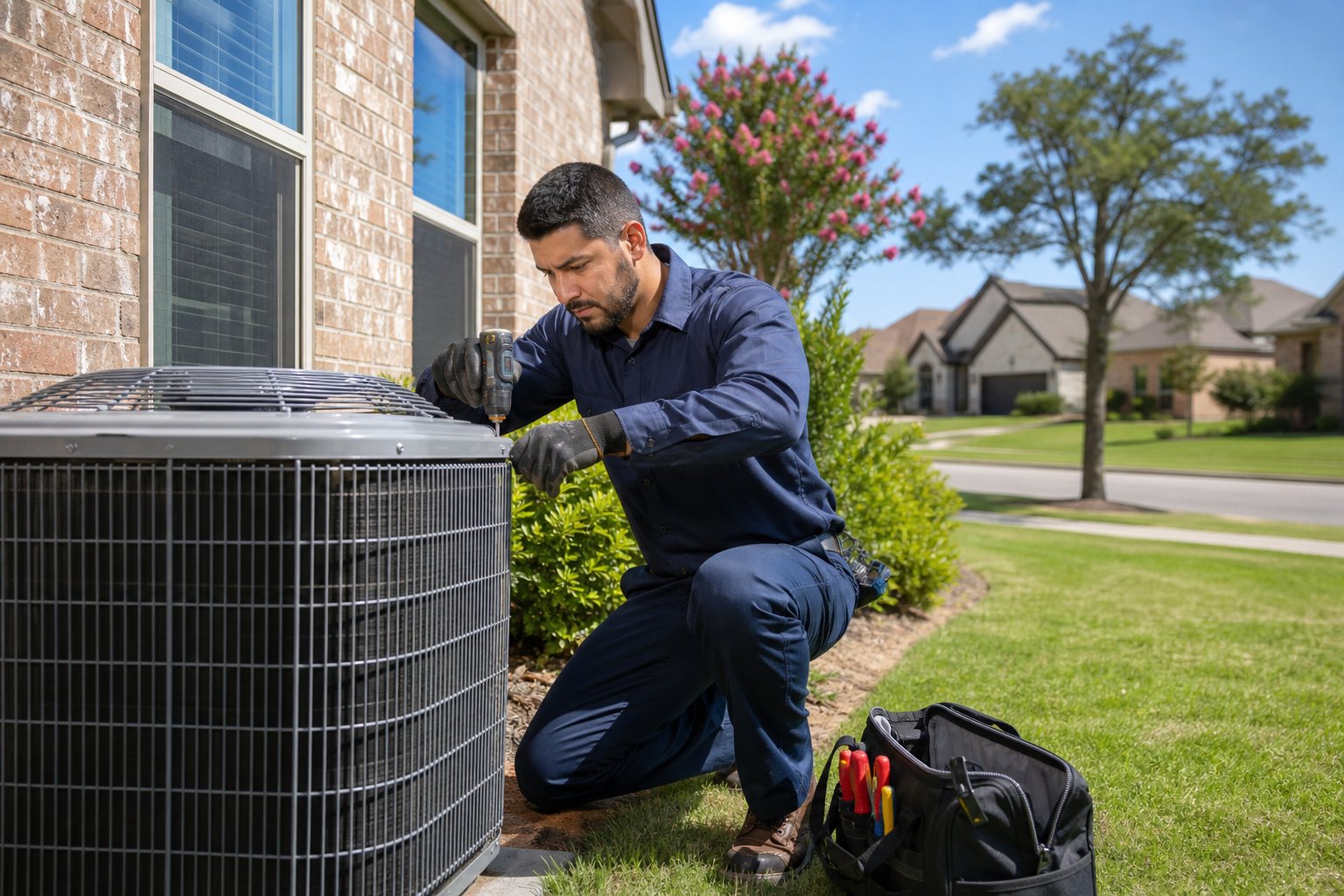
On installation day, the crew isolates power, recovers refrigerant when required, and removes the old outdoor and indoor units.
They install the new condenser/heat pump and air handler or furnace, make refrigerant and electrical connections, and mount the thermostat.
Technicians follow manufacturer specs and local codes throughout.
Final steps include refrigerant charging, airflow balancing, and a safety check for gas lines or high-voltage wiring.
Expect the crew to leave the work area clean and to show you system controls and maintenance tips.
Ductwork Evaluation and Upgrades
Technicians inspect your duct layout, measuring static pressure and checking for leaks, crushed sections, and missing insulation.
You’ll get a report noting leakage percentage, return vs. supply balance, and any undersized runs that cause uneven rooms.
This determines whether simple sealing or partial redesign is needed.
Typical fixes include sealing with mastic or UL-181 tape, adding return pathways, and insulating attic ducts to R-8 or better in North Richland Hills climate.
If the system is upsized, some ducts may need resizing or adding new boots and dampers to maintain airflow and efficiency.
Ask for before-and-after airflow numbers (CFM) and a clear cost estimate for duct upgrades.
Proper duct work prevents short cycling, reduces energy use, and improves comfort in rooms that used to run hot or cold.
Timeline and What to Expect on Replacement Day
Plan for 4–8 hours for a typical split-system swap; complex jobs run longer.
The crew usually arrives within a scheduled window and confirms permit status and any access needs.
You should clear work areas and secure pets ahead of time.
Sequence on the day: disconnect power and gas, recover refrigerant if present, remove old equipment, set new pads/units, connect lines and wiring, evacuate and charge refrigerant, then run startup checks.
Technicians will also test for gas leaks and proper venting if a furnace is involved.
You will see checklist items and paperwork at completion.
Expect brief interruptions to heating or cooling and limited dust if installers use drop cloths and vacuum.
Keep lines of communication open for any last-minute choices about thermostat settings or duct alterations.
Post-Installation Testing and Calibration
After installation, technicians test refrigerant pressures, measure superheat and subcooling, and verify correct charge for ambient conditions.
They measure supply and return temperatures and record delta-T.
These numbers confirm the system moves the right BTUs for your home.
They also test electrical draw, verify proper blower speed, and confirm safety controls (limit switches, pressure switches) operate.
If you have a gas furnace, they check manifold pressure and flue drafting.
Technicians will program the thermostat, set fan/heat-cool differentials, and show you energy-saving schedules.
You should receive a printed report with key readings, maintenance tips, and warranty registration instructions.
If any readings fall outside spec, the team corrects and re-tests until performance meets manufacturer standards.
Specialized Services for Homes and Businesses
You will find options for large-scale systems and small, targeted upgrades.
The information below explains what to expect for installation, service, and repairs so you can plan costs, downtime, and routine care.
Commercial HVAC Installations and Rooftop Units
For businesses, you should pick units sized to your building’s square footage and peak occupancy.
Commercial HVAC installation often uses packaged rooftop units (RTUs) that combine heating, cooling, and ventilation in one cabinet.
RTUs save floor space and simplify maintenance, but you must match capacity (tons), airflow (CFM), and economizer controls to your layout.
Expect a site survey that checks roof load, curb sizes, and existing ductwork.
Installation steps usually include removing the old unit, setting the new curb adapter, hoisting the RTU, reconnecting gas and electrical, and balancing the system.
Plan for 1–3 days of on-site work for typical installs and longer for custom duct or zoning changes.
After installation, schedule regular commercial HVAC service contracts for filter changes, coil cleaning, and control calibration.
That reduces emergency HVAC repair and catches heating repair needs early.
Verify warranty terms and ask about preventive maintenance plans to protect both performance and the roof penetrations.
Residential Upgrades and Add-Ons
You should evaluate upgrades that improve comfort and cut energy bills. Common residential options include replacing an aging furnace or air handler.
Adding a two-stage or variable-speed compressor, and installing a programmable or smart thermostat are also beneficial. Duct sealing and adding insulation boost efficiency and reduce load on the HVAC system.
Consider add-ons like air purifiers, UV lights, and upgraded filtration if you want better indoor air quality. These install quickly and can reduce clogging and strain that lead to HVAC repair.
If your home uses a heat pump, discuss backup heating and defrost controls to avoid winter heating repair issues. Get a professional load calculation before changing major equipment.
That ensures your new system matches heating and cooling needs and minimizes short cycling. Enroll in a seasonal maintenance plan so technicians check refrigerant levels, test safety switches, and perform heating repair tasks before problems grow.
Maintaining New HVAC Systems for Lasting Performance
Keep filters clean, follow a regular service schedule, and address small problems quickly to protect efficiency and avoid costly breakdowns.
Routine Maintenance and Tune-Up Schedules
You should schedule a heating tune-up in fall and an AC tune-up in spring. These seasonal checks let technicians clean coils, check refrigerant levels, tighten electrical connections, and test safety controls.
Change or inspect filters every 1–3 months depending on filter type and household pets.
Use a simple checklist: filter check, thermostat calibration, blower inspection, condensate drain clearing, and refrigerant pressure check.
Doing these tasks keeps airflow steady and reduces strain on the system. Track dates and service notes in a log or app.
That record helps you spot patterns like short cycling or rising energy use before major failures. If you notice weak airflow or unusual noises between visits, schedule AC repair or heating service right away.
Importance of Professional Service for Longevity
Hire licensed HVAC technicians for at least annual professional service. Technicians have tools to measure airflow, electrical draw, and refrigerant charge accurately.
Proper calibration and component adjustments extend compressor and motor life and improve energy efficiency.
Professionals also identify issues that DIY checks miss, such as hidden duct leaks, burned contacts, or failing capacitors.
Fixing these early prevents emergency replacements and keeps warranty conditions valid. When you compare service providers, look for clear pricing, written estimates, and customer reviews.
Ask if the technician performs heating and cooling services that include system cleaning, safety checks, and performance testing. This ensures your new system runs reliably and stays efficient for years.
Frequently Asked Questions
This section answers common cost, sizing, and program questions for HVAC replacement in North Richland Hills. You’ll find ballpark prices, the main cost drivers, sizing guidance, repair-vs-replace rules, and places to look for rebates or financing.
How much does it typically cost to replace a full HVAC system for a 1,500 sq ft home in Texas?
A full HVAC replacement for a 1,500 sq ft Texas home commonly ranges from $5,000 to $12,000. Most typical installs for mid-efficiency equipment fall between $6,000 and $9,000 depending on brand and labor.
Higher-efficiency systems, like ENERGY STAR models, and homes needing new ductwork or electrical upgrades push costs above $10,000. Get at least two written estimates from local contractors to compare parts, labor, and warranties.
What factors most affect the price of an HVAC replacement in my area?
System efficiency (SEER/HSPF) and brand choice change the price significantly. Higher SEER and premium brands cost more up front.
Ductwork condition, required electrical upgrades, and new thermostat or zoning add costs. Labor rates and whether you need permits or structural work also affect the final total.
How do I choose the right size HVAC system for my home to avoid overspending or poor performance?
Have a qualified tech perform a Manual J load calculation for accurate sizing. That uses your home’s square footage, insulation, windows, and local climate to find the correct capacity.
Avoid sizing by rule of thumb or by square feet alone; oversized units short-cycle and waste energy, while undersized units run constantly and can’t keep up. Confirm the installer follows Manual J, and ask for the calculation in writing.
What is the $5,000 rule for deciding between HVAC repair versus replacement?
The $5,000 rule says: if repair costs approach or exceed $5,000, replacement often becomes the better value. This compares direct repair cost to the price and remaining life of a new system.
Also weigh the system’s age and recent repair history. If the unit is over 10–12 years old and needs major parts, replacement usually gives better long-term savings.
What is the 20 rule for HVAC, and how does it guide replacement decisions?
The 20 rule suggests replacing the system if repair costs are 20% or more of the unit’s replacement value. For example, if a new system costs $8,000, a repair near $1,600 or higher triggers replacement consideration.
Use this rule alongside age, efficiency, and repair frequency. It’s a quick guide, not a hard law; confirm with an estimate and the system’s service history.
Are there Texas programs, rebates, or financing options that can help cover the cost of HVAC replacement?
You can find utility rebates for high-efficiency systems through some Texas electricity providers. Check your local utility website for current offers.
Manufacturers and local dealers sometimes offer seasonal rebates or promotional pricing.
Many HVAC companies list financing plans and 0% interest promotions. Ask contractors about tax credits, utility rebates, and dealer financing, and request the links and terms in writing before you sign.
Air Worth Heating & Cooling, a local provider, lists HVAC services and may help locate regional offers (https://airworthac.com/hvac-service-north-richland-hills/).