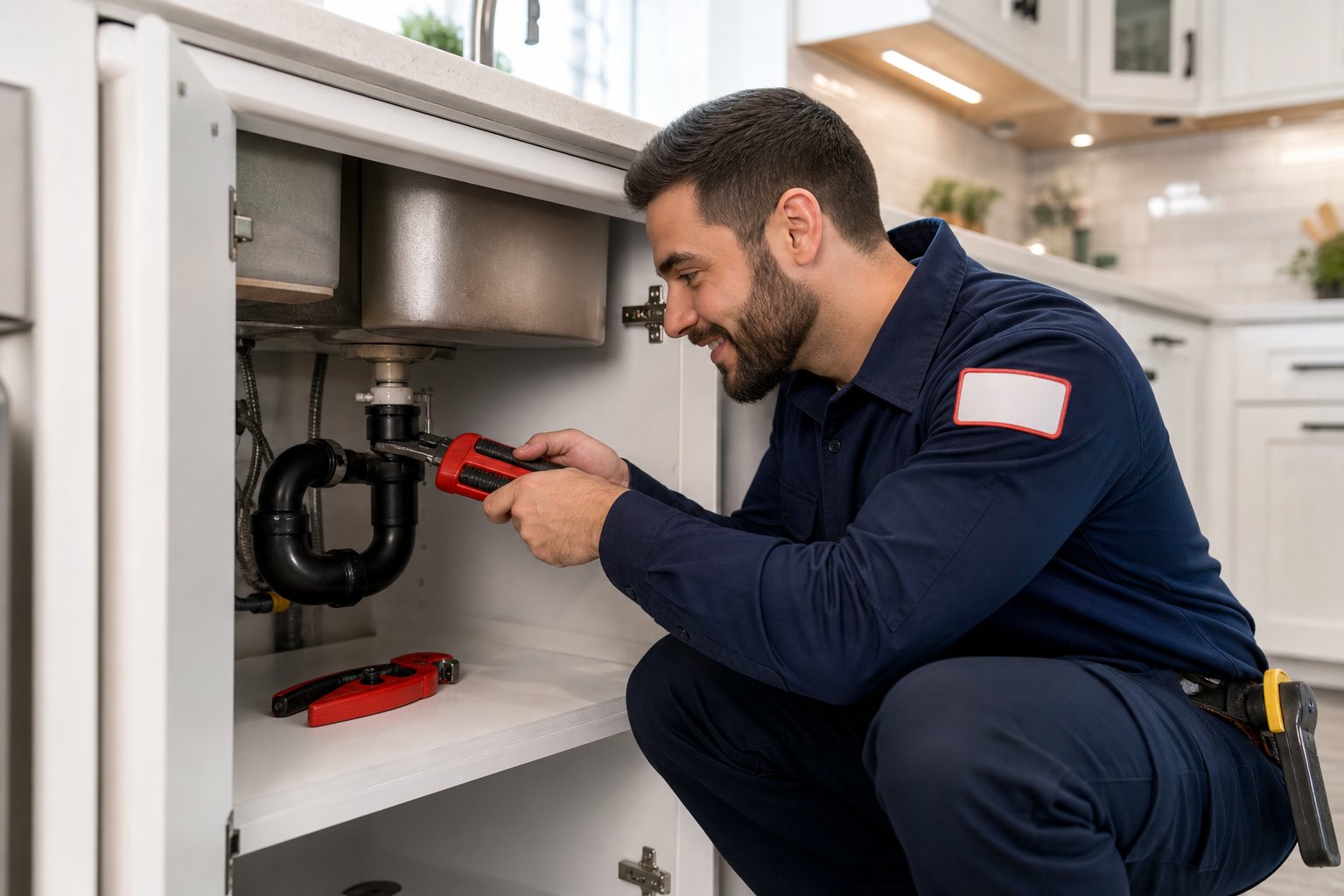
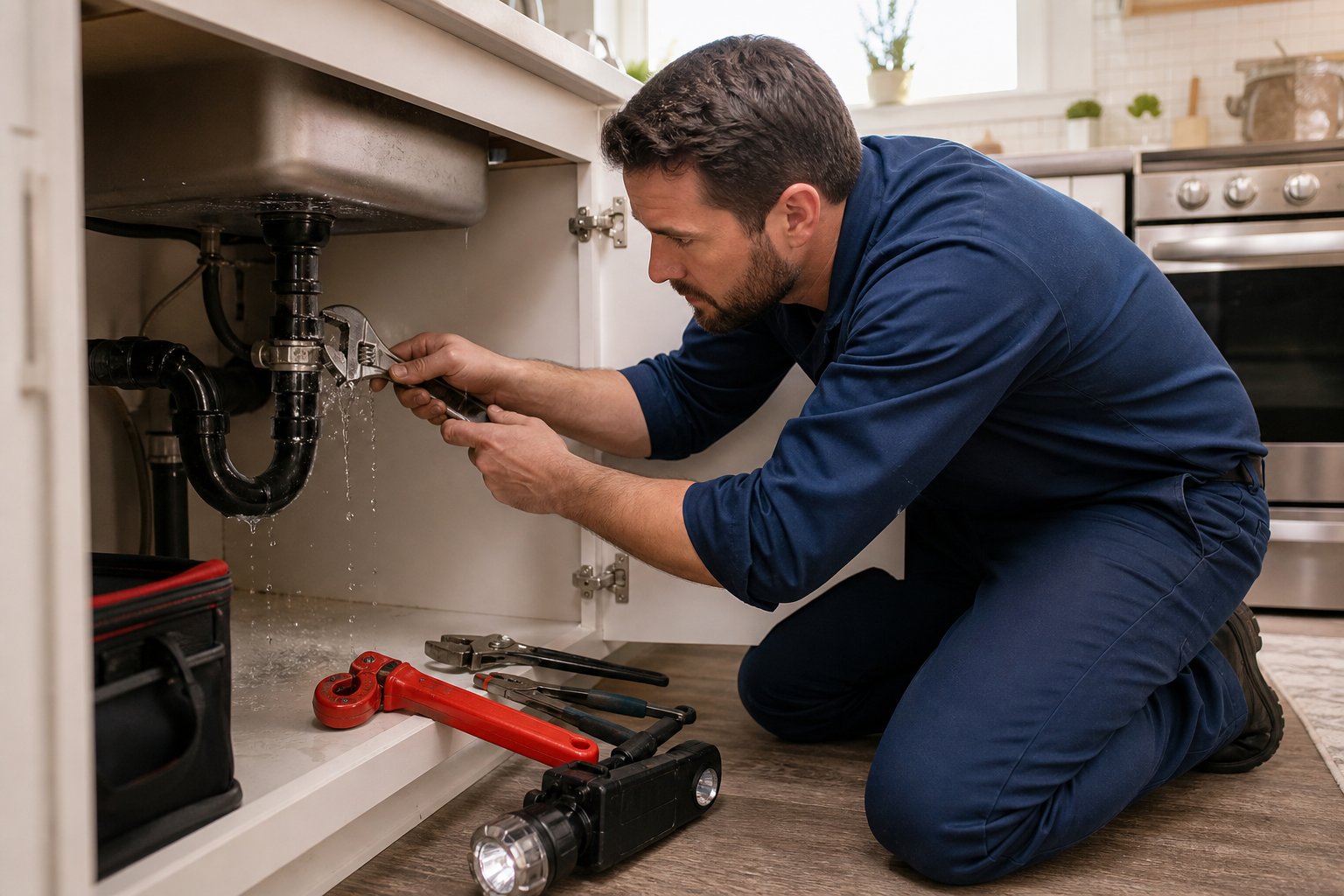
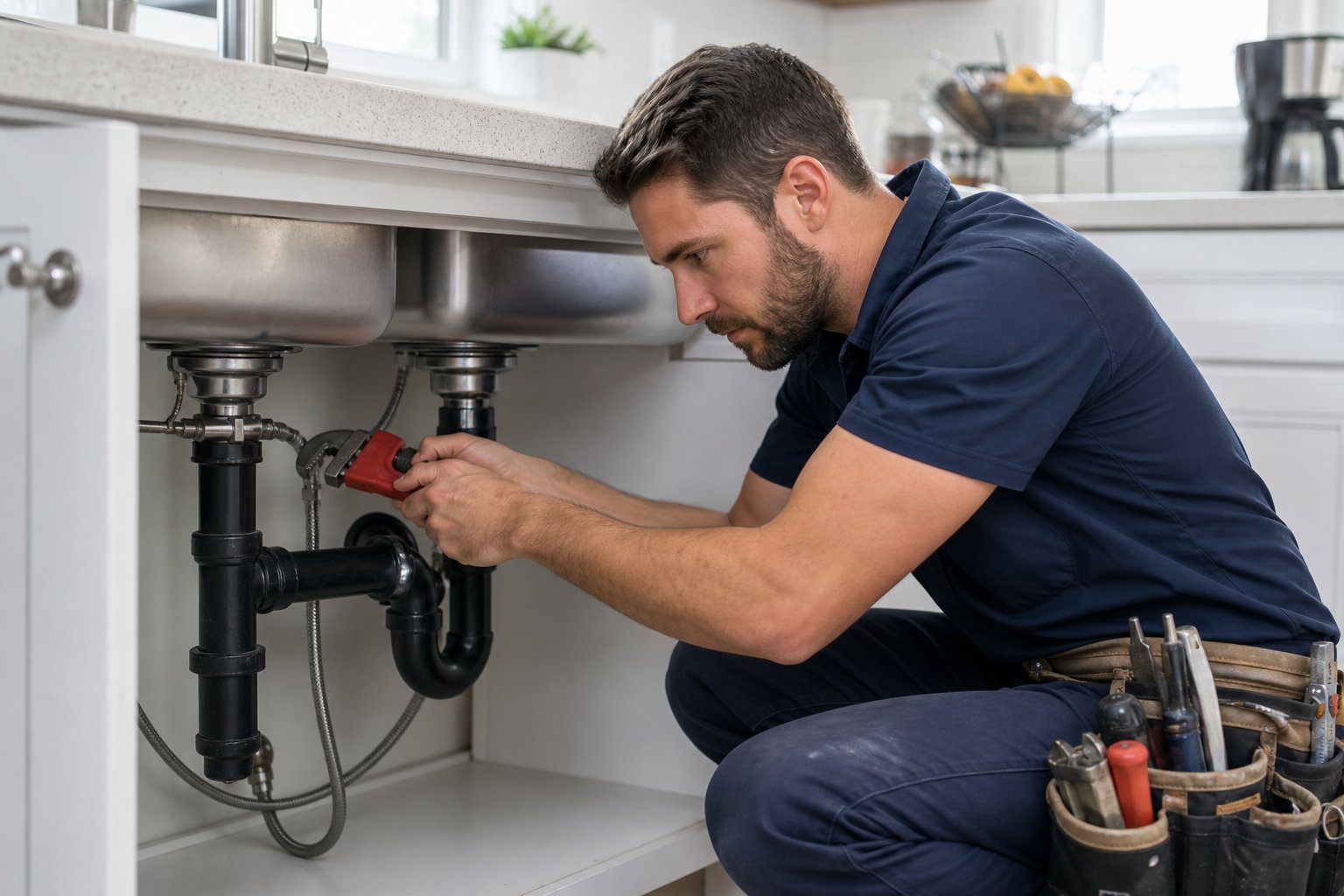
You need fast, trustworthy plumbing help in Burleson, TX, and you want clear options that fit your home or business. Local plumbers in Burleson offer same-day repairs, emergency response, and routine services like drain cleaning, water heater work, and pipe repairs to keep your system running.
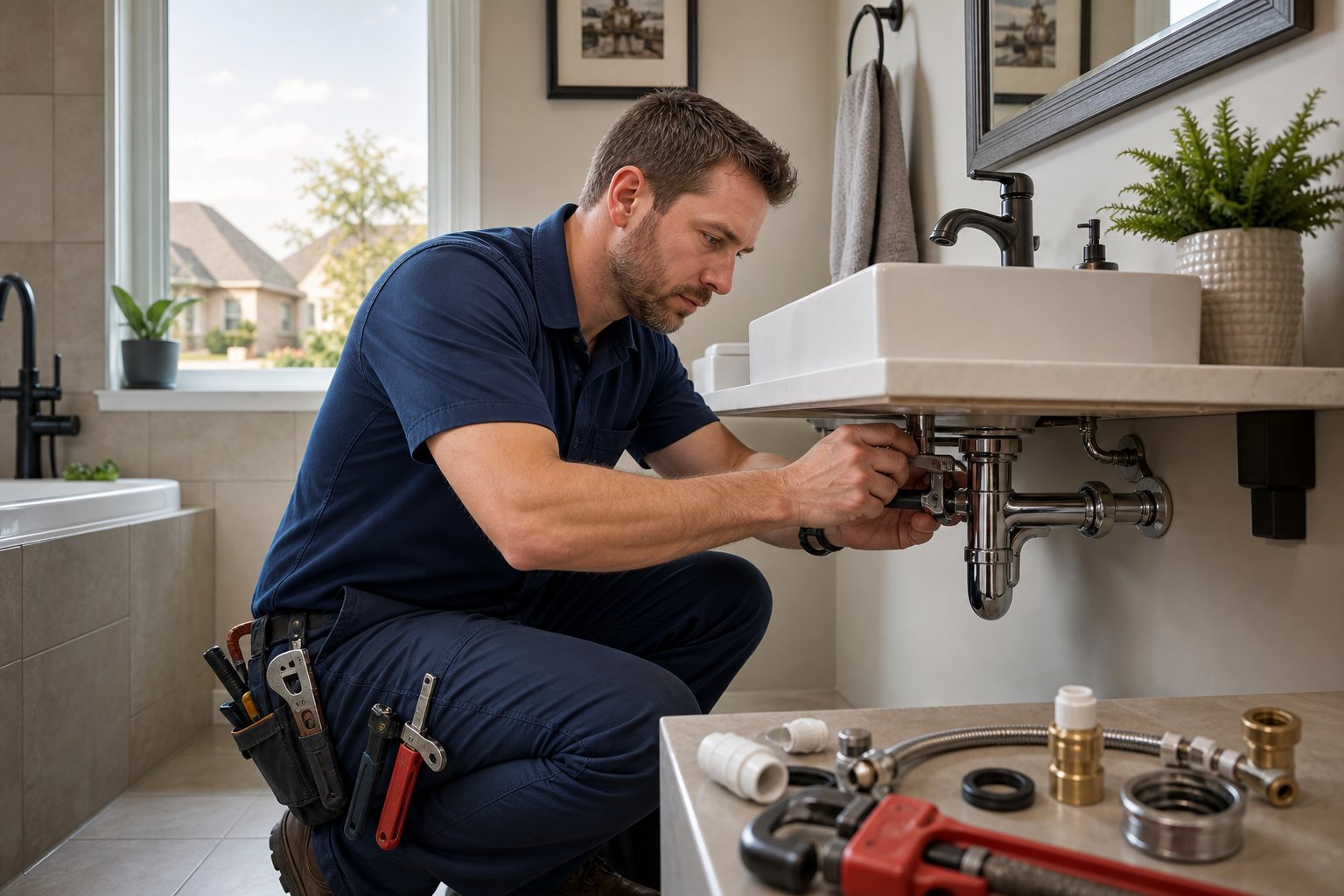
Whether you face a stubborn clog, a hidden leak, or planning an upgrade, knowing which services matter and what to ask will save time and money. Use this guide to spot reliable contractors, compare common service choices, and decide when to call for emergency help.
Key Takeaways
- Know the core services that fix most home and business plumbing problems.
- Find technicians who use precise leak detection and durable repair methods.
- Pick plumbers who offer clear pricing, quick response, and solid guarantees.
Core Plumbing Services for Homes and Businesses

These services focus on fast repairs, regular checks, and fixture work that keep your property safe and working. Expect licensed technicians, clear pricing, and tools that find problems fast.
Emergency Repairs and Rapid Response
When a pipe bursts or a sewer backs up, you need help now. Call teams that offer 24/7 emergency service and can arrive within an hour in many local areas.
Technicians should shut off water, contain damage, and make temporary repairs to stop flooding before doing a full fix. Look for plumbers who bring video inspection gear and leak-detection tools.
Those let them find the exact failure — slab leaks, hidden pipe breaks, or root-invaded sewer lines — so they repair only what needs work. Ask about upfront emergency fees and hourly rates before they start.
Also check whether the company provides same-day parts or can source replacements quickly. Fast access to water heaters, shut-off valves, and pipe sections reduces time without hot water or toilet service.
Routine Maintenance and Inspections
Regular checks prevent many emergency calls. Schedule annual inspections for water heaters, sump pumps, sewer lines, and visible supply lines.
Technicians can spot corrosion, worn seals, low water pressure causes, and early mineral buildup. Maintenance tasks can include drain cleaning, tank flushing, aerator and cartridge replacement, and testing backflow devices.
Get written estimates and a checklist of what the inspection covers so you know what was tested. If you manage multiple units or a commercial property, set up recurring maintenance plans.
Such plans often include priority scheduling, set pricing, and records that help with building compliance or resale value.
Kitchen and Bathroom Plumbing Solutions
Kitchen and bathroom issues create daily disruption. For kitchens, expect sink and garbage disposal repair, faucet replacement, and dishwasher line installation.
Plumbers should test water supply valves, check for leaks under cabinets, and verify drain slope to prevent clogs. For bathrooms, technicians handle toilet repair and replacement, shower valve servicing, tub and shower installs, and vanity faucet swaps.
They should confirm proper venting, caulk and grout integrity, and ADA or accessibility options if you need them. When planning remodels, ask plumbers about fixture brands, water-saving options, and installation timelines.
Get a detailed quote that lists labor, parts, permits, and any permit fees so your project stays on budget and on schedule. Find local listings and reviews for verified professionals and companies through directories like YP to compare ratings and contact details.
Specialized Leak Detection and Pipe Services
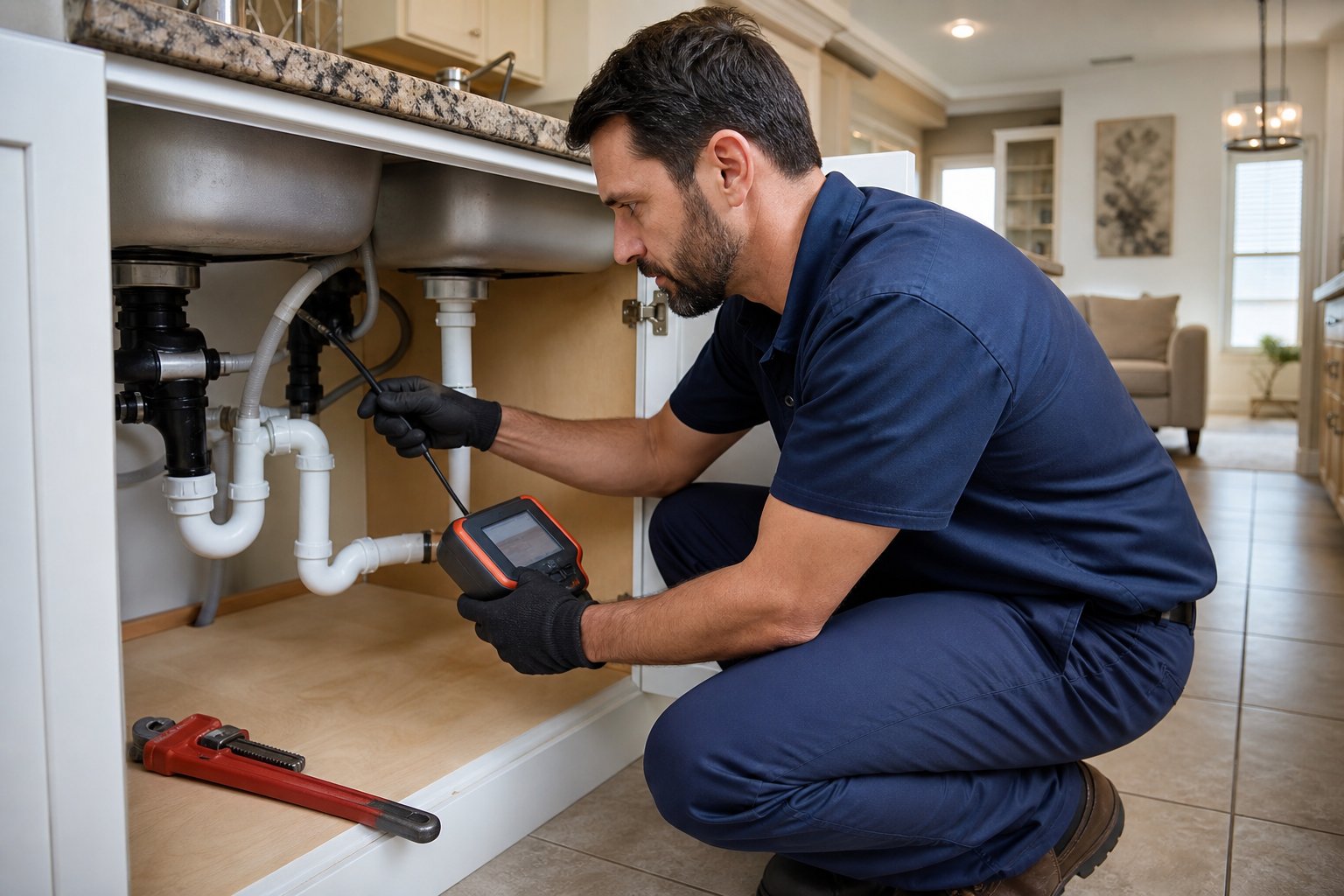
You will find targeted methods to locate hidden leaks, options to repair or replace damaged pipes, and steps to spot slab leaks under foundations. These services focus on fast detection, minimal disruption, and long-term protection for your plumbing.
Advanced Leak Location Methods
You can expect non-invasive tools that pinpoint leaks without tearing out walls. Technicians use acoustic listening devices to track water sounds inside pipes, often isolating a leak to within a few feet.
They also run pressure tests to confirm a leak and identify the affected zone. Thermal imaging helps you see temperature differences on walls and ceilings where moisture collects.
Video camera inspections let you follow the exact path of interior and sewer lines, revealing breaks, corrosion, and blockages. Combining these methods reduces guesswork and keeps repair costs lower.
If you have high water bills or hear running water when everything is off, these diagnostics quickly show whether the issue is a fixture, a hidden pipe, or an underground line. You get clear findings and targeted repair recommendations.
Pipe Repair and Protection
You will be offered repair options based on pipe material, location, and damage level. For small, accessible leaks, plumbers may replace a short pipe section or reseal joints.
For wide corrosion or repeated failures, whole-house repiping using PEX or copper is often recommended to stop chronic leaks and improve water quality. Trenchless techniques like pipe lining or pipe bursting can fix underground or long-run sewer lines with less yard damage.
Technicians also advise on corrosion control, pressure regulators, and water softeners to extend pipe life. They document work and test systems after repair so you can be confident the problem is fixed.
Expect transparent cost comparisons between spot repairs and full repiping so you can weigh immediate expense against future reliability.
Slab Leak Identification
You should treat suspected slab leaks as urgent because they can damage foundations and flooring. Specialists check for telltale signs: warm spots on floors, plaster cracks, sudden mold, and sharp rises in your water bill.
They use acoustic listening and electronic leak locators tuned for concrete slabs to narrow the leak path. Once located, options include tunneling to the pipe under the slab for targeted repair or rerouting lines above the slab to avoid more excavation.
Repair choice depends on pipe depth, soil conditions, and the leak’s size. Technicians also advise moisture mitigation steps, such as drying and mold prevention, after repair to protect your home’s structure and indoor air.
Drain and Sewer Line Solutions
You can stop slow drains, avoid messy backups, and spot hidden sewer problems before they damage your home. The options below explain how technicians clean, inspect, and clear main lines to keep water flowing and odors out.
Professional Drain Cleaning
You should start with a licensed technician who checks trap seals, fixture vents, and cleanouts before using tools. They will use a camera to locate the blockage and choose the right method—mechanical snake for hair and small clogs, or powered augers for deeper obstructions.
Expect technicians to clear kitchen sinks, laundry drains, floor drains, and bathroom lines. They will also advise on recurring clogs and can apply enzymatic treatments to reduce grease buildup.
Ask for a post-cleaning camera run so you can see the pipe condition and confirm the obstruction is gone. Costs vary with complexity; simple snaking is cheaper than multiple-hour auger work.
If your home is in Burleson, check local plumbers who list drain cleaning among their core drain and sewer services to ensure timely, local response.
Sewer Line Inspection Technologies
You should get a camera inspection when you notice repeated clogs, slow drains across multiple fixtures, foul sewer gas, or lawn sinkholes. A video inspection shows root intrusion, collapsed pipes, bellies, offsets, and grease lines without digging.
Technicians feed a flexible, waterproof camera through a cleanout. The camera records in real time and timestamps problem spots so crews can plan repairs.
Some systems include sonde locators to map the line path under your yard and locate exact repair points. Ask for a written report and video file.
That lets you compare before-and-after results and share findings with contractors for estimates. Many Burleson plumbers advertise camera inspection as part of their sewer maintenance and repair services, so request that option when booking.
Rooter and Hydro-Jetting Services
You should choose rooter service for thick root masses or compacted debris and hydro-jetting for grease, mineral scales, and heavy buildup. Rooter machines use rotating blades and cables to cut roots and clear blockages in older clay or cast-iron pipes.
Hydro-jetting uses high-pressure water (typically 1,500–4,000 psi) to scour pipe walls and remove grease, sludge, and small tree roots. It restores near-new flow and reduces the chance of recurring clogs, but technicians will first run a camera to confirm pipe condition can handle the pressure.
Request technicians to clear the line of debris after work and re-inspect with a camera. If you live near Burleson, look for plumbers who list both rooter and hydro-jetting among their residential plumbing services and sewer repairs so you get the method best suited to your pipes.
Water Heater and Fixture Installations
You’ll learn how to spot failing parts, choose the right replacement, and get fixtures that work without leaks. Expect clear steps for repairs, upgrade options, and advice on efficiency and code-compliant installs.
Water Heater Replacement and Repair
If your water heater is older than 8–12 years or shows rust, leaks, or loud rumbling, plan a replacement. A leaking tank or consistent loss of hot water means the unit can fail suddenly.
You should measure tank capacity or flow rate for tankless systems before buying. Professionals will check gas lines, venting, electrical connections, and local code requirements during replacement.
They will also flush tanks, inspect the anode rod, and test pressure-relief valves when repairing. For tankless units, expect flow-rate testing (GPM) and scale removal if mineral buildup is present.
Ask for a written estimate that lists parts, labor, permits, and disposal of the old unit. Confirm the installer will register the warranty for you.
If you want local options and typical services in Burleson, see water heater installation and repair details from a local plumbing provider.
Faucet Repair and Fixture Upgrades
Start by identifying the problem: dripping, low flow, or loose handles. Most dripping faucets fail due to worn cartridges, O-rings, or seals—parts a plumber can replace quickly.
For low flow, the aerator may be clogged or the supply lines restricted. When upgrading fixtures, choose models that match your water pressure and finish preferences.
Consider ceramic-disc cartridges for long life and single-handle mixers for easier temperature control. If you change faucet types, the installer will check sink or counter hole sizes and may need to modify mounts or supply lines.
Get a clear price that separates parts from labor. Ask the plumber to test for hidden leaks under sinks and to check shutoff valves.
Proper installation prevents water damage and keeps your fixtures covered under manufacturer warranty.
Energy-Efficient System Options
You can cut energy use by switching to a tankless water heater, a high-efficiency tank with better insulation, or a heat-pump (hybrid) model. Tankless units heat on demand and save energy if your household uses intermittent hot water.
Heat-pump water heaters use electricity more efficiently in moderate climates. Compare Uniform Energy Factor (UEF) ratings and estimated annual operating costs when choosing a unit.
Also consider system placement: closer to bathrooms cuts wait time and heat loss. For homes with hard water, add a water-softening or routine descaling plan to protect tankless heat exchangers.
Ask your plumber about rebates, proper venting for gas units, and required electrical upgrades for electric or heat-pump systems. They should provide a sizing calculation based on peak simultaneous demand and list expected payback times for efficiency upgrades.
Choosing a Plumber in Burleson: What Sets the Best Apart
Focus on proven local experience, clear pricing, and proper credentials. Look for firms that show community ties, fast response times, and written guarantees so you know what to expect.
Local Expertise and Community Reputation
You want a plumber who knows Burleson neighborhoods, common pipe materials, and local code issues. Choose a company that lists work in Burleson, Joshua, Crowley, or Johnson County and shows recent jobs like sewer line repairs, slab leak detection, or water heater installs.
Local crews handle slab conditions and older cast-iron drains better because they’ve seen similar problems before. Check reviews and local listings.
Read Yelp or Angi reviews for repeat comments about punctuality and cleanup. Membership in the Burleson Chamber or local awards can mean steady community work.
Also ask if they use local suppliers and carry parts for common brands to cut delays.
Satisfaction Guarantee and Customer Care
You should get a written satisfaction guarantee and a clear warranty for parts and labor. Ask for a job estimate in writing that lists labor rate, flat prices for common jobs, and any diagnostic or trip fees.
If a company offers a 30-day or longer warranty on drain or sewer work, that shows confidence. Good customer care means timely calls, clear arrival windows, and polite techs who explain fixes.
Prefer firms that offer follow-up checks or a cancellation policy. Look for transparent payment methods and an easy line to report problems so repairs get fixed without extra hassle.
Understanding Service Certifications and Insurance
Verify the plumber’s license number and insurance before work begins. Confirm they hold an active plumbing license for Texas and general liability insurance so you aren’t liable for on-site accidents.
Ask to see proof of workers’ comp if techs will enter your home. Certifications from manufacturers (tankless water heaters, sump pumps, sewer cameras) matter when you need specific repairs.
A certified technician often carries the right tools and follows manufacturer steps that protect warranties. If you want, cross-check credentials on BBB listings and local directories to confirm legitimacy.
Frequently Asked Questions
This section answers common costs, emergency response, drain cleaning options, low-pressure causes, how to vet plumbers, and what to expect in written estimates and warranties. Each answer gives concrete steps you can take in Burleson, TX neighborhood situations.
How much does a licensed plumber typically charge for a service call in my area?
Service-call fees in the Burleson area usually range from $75 to $150 for a standard weekday visit. Rates rise for nights, weekends, or holidays, often $125–$250.
Labor is often billed by the hour after the service call fee. Expect hourly rates near $75–$125 depending on experience and the job scope.
Parts and materials are extra and billed separately. Ask the plumber to estimate parts costs before they begin work.
Do you offer same-day or 24/7 emergency service for burst pipes and major leaks?
Many Burleson plumbers advertise 24/7 emergency response for burst pipes and major leaks. Confirm availability when you call and ask how quickly they can arrive.
Emergency jobs often carry higher trip and labor fees. Get a clear statement of emergency rates before hiring.
If water is actively leaking, shut off your main valve immediately to limit damage. The city water meter shut-off and homeowner cut-off valve are key places to stop flow.
How can I tell if a clogged drain needs professional snaking versus hydro jetting?
Use a snake for recurring hair clogs, small sinks, or when mechanical obstruction is likely. Snaking clears roots near the pipe joint and small blockages quickly and at lower cost.
Choose hydro jetting when grease, mineral scale, or tree roots have built up inside drains. Hydro jetting cleans pipe walls thoroughly but costs more and may not suit older fragile pipes.
Ask the plumber to inspect with a camera before deciding. A camera inspection shows the clog type, pipe material, and damage risk, so you get the right method.
What are the most common causes of low water pressure in a home, and how is it diagnosed?
Common causes include a faulty pressure reducing valve (PRV), clogged aerators or filters, pipe corrosion, and leaks. High municipal pressure changes or municipal work can also cause sudden shifts.
A plumber checks pressure with a gauge at an outside hose bib and then at interior fixtures. They test the PRV and use a camera or leak detection tools to find hidden leaks or blockages.
If your home pressure exceeds 80 psi, code and long-term safety concerns may call for a PRV. The City of Burleson explains PRVs, installation rules, and when they are required on new construction (see local FAQ for details) at https://www.burlesontx.com/1297/Frequently-Asked-Questions.
How do I choose a reputable plumber and verify licensing, insurance, and reviews?
Start by asking for a plumber’s registration or license number and proof of liability insurance and worker’s comp. Confirm registration with local city or state contractor lookup if available.
Check recent online reviews and call references. Ask neighbors or local groups for recommendations and get at least three bids to compare scope and price.
Hire plumbers who provide a written scope of work, clear timelines, and who respond promptly to your questions.
Do you provide upfront, written estimates and warranties for repairs or replacements?
Reputable plumbers provide written estimates before work starts and list labor, parts, and any permits required. Ask for an itemized quote to avoid surprise charges.
Request warranty terms in writing for both parts and labor. Typical labor warranties run 30–90 days.
Parts warranties vary by manufacturer.
If you need help finding local licensed plumbers or comparing bids, look up Burleson-area plumbing services and FAQs from local providers and directories.