You want an HVAC system that keeps your home comfortable without high bills or surprise breakdowns.
A proper HVAC installation in Arlington, TX gives you reliable cooling, better energy efficiency, and a system sized and installed to match your home’s needs.
Choosing the right air conditioning and HVAC contractor up front saves time, money, and stress.

This article shows what a good AC installation looks like, how installers make systems energy efficient, and what to expect during installation and service.
You’ll learn how to spot qualified HVAC contractors and which steps cut long-term costs so you can make a smart choice for your home.
Key Takeaways
- Get an HVAC system sized and installed to match your home for reliable comfort.
- Prioritize energy-efficient equipment to lower cooling costs.
- Hire a qualified HVAC contractor who offers clear pricing and maintenance options.
Understanding Residential HVAC Systems
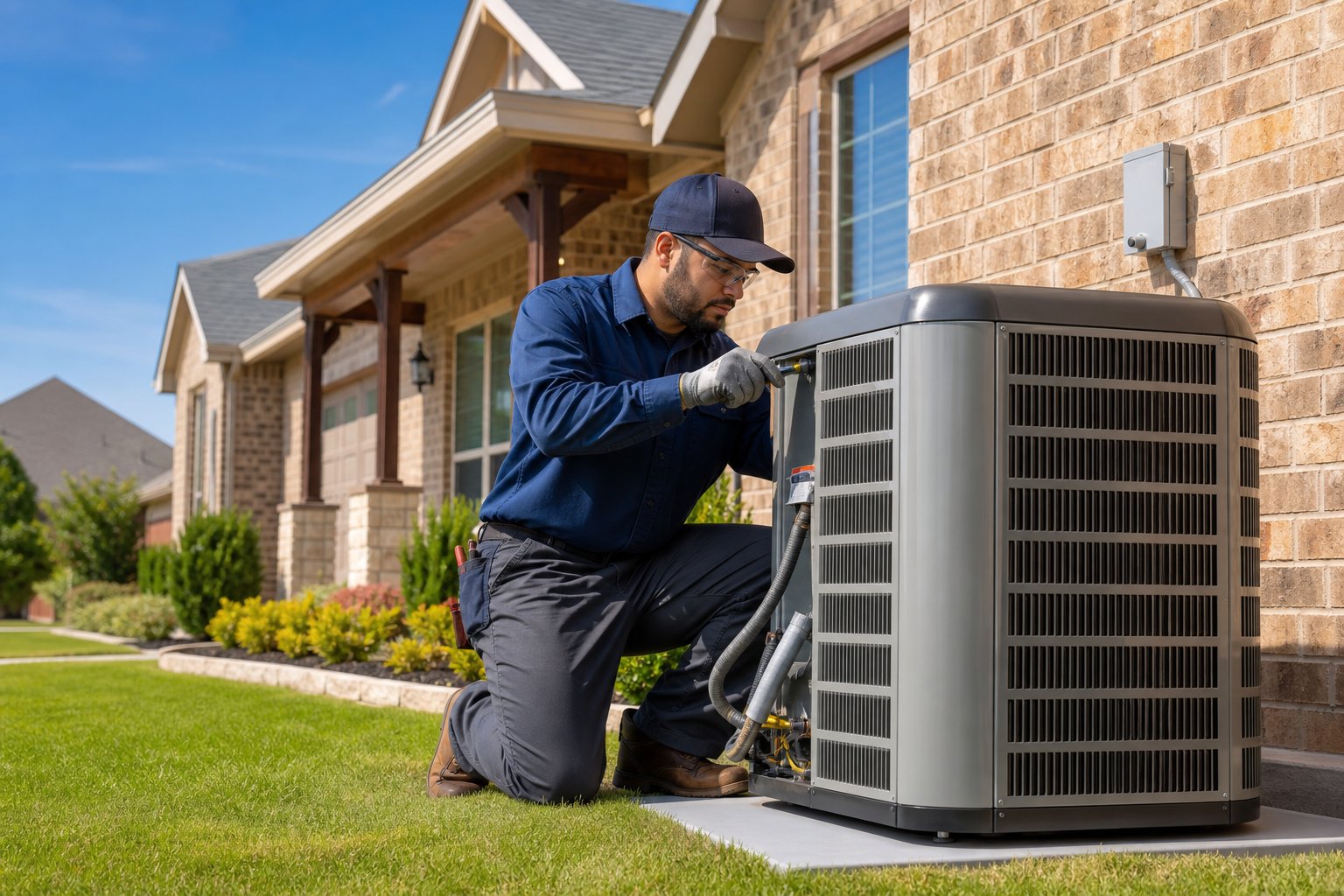
You will learn how HVAC moves air and heat, the common unit types you’ll see in Arlington homes, and why modern installs save energy and reduce repairs.
How HVAC Systems Work
Your HVAC moves heat and air using three main parts: the thermostat, the air handler/furnace, and the outdoor unit.
The thermostat tells the system what temperature you want.
The indoor unit (air handler or furnace) circulates air through ducts and either adds heat with burners/electric elements or distributes cooled air from the evaporator coil.
The outdoor unit holds the compressor and condenser for air conditioning or heat pump systems.
Refrigerant cycles between indoor and outdoor coils to move heat out of your home in summer or bring heat in during mild winters.
Airflow matters: filters, return vents, and duct size control how evenly rooms heat and cool.
Poor airflow raises energy use and makes some rooms feel hot or cold.
You should check filters monthly and ensure vents are open.
Proper startup and refrigerant charge are key during HVAC installation to meet design performance.
Common Types of HVAC Units
You’ll most often find split systems, heat pumps, and packaged units in residential settings.
Split systems pair an outdoor compressor with an indoor air handler; they are common for central air conditioning and gas/electric heating.
Heat pumps act as both heater and AC by reversing refrigerant flow; they work well in milder winters and increase energy efficiency.
Packaged units house all components outdoors and suit homes without attic or basement space.
Furnaces use gas, propane, or electric heat in colder months and pair with central AC.
Variable-capacity and two-stage compressors offer quieter operation and better humidity control than single-stage models.
When planning HVAC installation, match unit type to your climate, electrical service, and ductwork.
A proper load calculation prevents oversizing that leads to short cycles and wasted energy.
Benefits of Modern Installations
Upgrading your HVAC can cut energy bills and reduce repair calls.
New systems with higher SEER ratings, variable-speed blowers, and properly sealed ductwork use less electricity and hold temperature better.
Heat pumps now offer efficient heating plus cooling, lowering fuel costs if you switch from an older gas or electric furnace.
Modern controls and thermostats let you schedule temperatures and track runtime.
This reduces waste and helps you spot performance drops early.
Properly installed systems also improve indoor air quality by enabling better filtration and balanced ventilation.
That means fewer dust and allergen issues and less strain on the compressor and furnace components.
Choose a licensed installer who performs load calculations, checks duct compatibility, and commissions the system at startup to ensure expected energy efficiency and reliable operation.
The HVAC Installation Process in Arlington
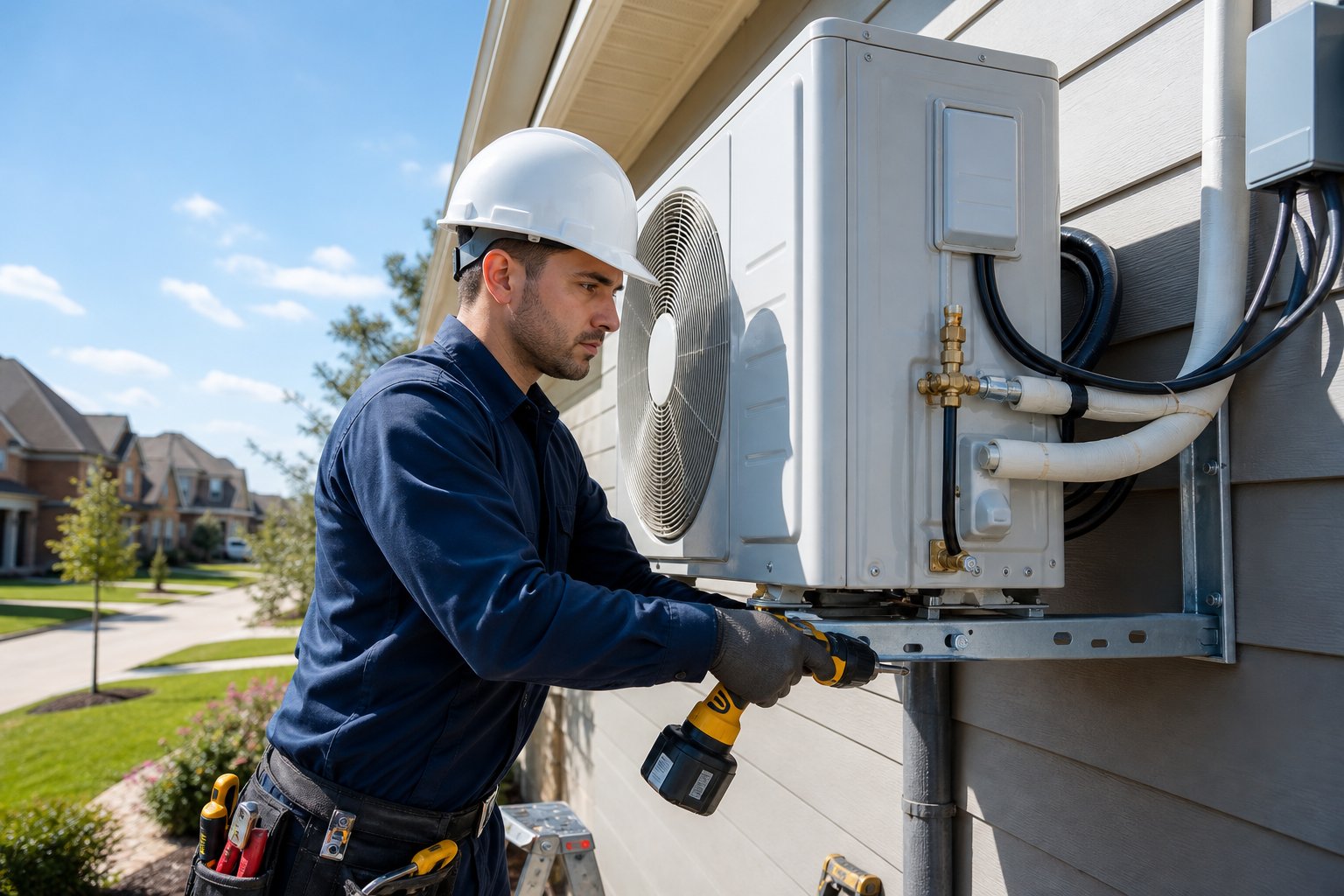
You’ll learn what a local HVAC contractor does from the first home check to the final startup.
The process covers choosing the right system, the step‑by‑step installation work, and meeting Arlington building codes and permits.
Initial Assessment and System Selection
A technician arrives to measure your home and perform a Manual J load calculation.
They check square footage, attic insulation, window types, duct condition, and current electrical capacity.
This ensures the right-sized HVAC installation that avoids short-cycling or wasted energy.
You’ll discuss system types: conventional split AC, heat pump, or variable-speed systems.
Expect clear comparisons of SEER ratings, estimated monthly cooling costs, and expected lifespan.
Ask about matched equipment (air handler, condenser, thermostat) and filtration options to improve indoor air quality.
The contractor should provide a written estimate showing equipment model numbers, efficiency ratings, and any ductwork or electrical upgrades needed.
This lets you compare bids and verify that the quoted system fits your budget and performance needs.
Professional Installation Steps
On install day, technicians protect floors and work areas, then remove the old unit and prepare the pad or condenser location.
They run refrigerant lines, connect the indoor coil and air handler, and seal or modify ducts for proper airflow.
Proper refrigerant charge and airflow balance are checked with gauges and anemometers.
Electric work may include adding a disconnect, upgrading the breaker, or installing a new thermostat and surge protection.
Technicians test safety controls, condensate drainage, and airflow in each zone.
They calibrate the thermostat and run a full system startup to confirm cooling capacity and stable operating pressures.
Expect a final walkthrough where they show you the thermostat settings, explain maintenance needs, and provide warranty documents.
Reliable HVAC service includes leaving the site clean and giving you contact info for future repairs or seasonal maintenance.
Code Compliance and Permitting
Your contractor must follow Arlington and Tarrant County building codes for electrical, refrigerant handling, and mechanical work.
Licensed HVAC contractors pull permits for major replacements or when changing system type.
Permit fees and inspection appointments should appear on your estimate or contract.
Inspections verify duct connections, electrical safety, proper refrigerant handling, and correct equipment placement.
Technicians often schedule the final inspection and provide required paperwork, including manufacturer warranties and load calculations.
This preserves warranty coverage and ensures your residential HVAC system meets local safety and efficiency rules.
If a proposed install needs panel upgrades, new disconnects, or structural changes for the condenser or duct runs, the contractor documents those items for permit review.
You should receive copies of completed permits and the final inspection sign-off for your records.
Choosing Energy-Efficient Solutions
You can cut energy use, lower bills, and improve comfort by picking the right equipment, using rebates, and upgrading weak parts of your system.
Focus on measured efficiency ratings, proper sizing, and quality installation to get real savings and reliable performance.
Selecting ENERGY STAR Equipment
Look for HVAC units and heat pumps with ENERGY STAR certification and high SEER or HSPF ratings.
SEER (cooling) and HSPF (heating) give you clear numbers to compare models.
A higher SEER or HSPF means less electricity per ton of cooling or per unit of heat.
Match the unit size to your home’s load calculation.
Oversized AC or heat pump short-cycles, which wastes energy and wears components faster.
Undersized equipment runs constantly and struggles to keep rooms comfortable.
Check refrigerant type and variable-speed compressors.
Units with modern refrigerants and variable-speed blowers use less power and keep temperatures steady.
Ask your installer about ENERGY STAR options and verified performance before you buy.
Long-Term Savings and Rebates
Energy-efficient HVAC installation can lower your monthly utility bills.
Use actual SEER/HSPF ratings and expected run hours to estimate annual savings for your climate.
Compare models by projected energy cost, not just purchase price.
Search for federal tax credits and local utility rebates that apply to high-efficiency systems or heat pump installations.
Rebates often require contractor documentation and specific model numbers, so keep paperwork and ask your installer for help.
Some manufacturers and local HVAC companies in Arlington offer promotional rebates or financing for energy-efficient installs.
Verify qualification rules and combine incentives where allowed to reduce your upfront cost and shorten your payback period.
Upgrading for Better Energy Performance
Start with the system components that most affect efficiency: the outdoor unit, indoor coil, ductwork, and thermostat.
Replacing an old AC or installing a heat pump paired with a matched indoor coil can raise whole-system efficiency dramatically.
Seal and insulate ducts to prevent 10–30% losses from leaks and poor insulation.
Upgrade to a programmable or smart thermostat to reduce run time during predictable absences.
These simple fixes make any new HVAC installation perform closer to its rated efficiency.
Ensure your installer performs a manual J load calculation, proper refrigerant charge, and airflow balancing.
Correct installation and commissioning are as important as the equipment choice for real-world energy efficiency.
Repair, Replacement, and Maintenance Services
You get clear options for fixing problems, extending system life, and preventing breakdowns.
The next parts explain how to decide between repair and replacement, practical maintenance tasks you can do, and how to secure fast, reliable support when you need it.
When to Repair vs. Replace Your System
If your unit is under 10 years old and the issue is a single component—like a compressor, capacitor, or thermostat—repairing usually costs less and restores performance.
Choose repair when the system cools or heats well after the fix, energy bills stay normal, and repairs cost less than half of a new system.
Replace when your HVAC is older than 12–15 years, needs repeated fixes, or uses R-22 refrigerant that’s costly or phased out.
Also replace if SEER or AFUE ratings are low and a new unit will save you significant energy each year.
Consider replacement if you want quieter operation, better air filtration, or ductwork changes for improved airflow.
Get an on-site evaluation that lists repair cost, expected remaining life, and efficiency gains from replacement.
Ask for brands and models suited to Arlington climate and square footage, and request a written estimate with projected energy savings.
Preventative HVAC Maintenance Tips
Check and change filters every 1–3 months to improve airflow and lower strain on the blower motor.
A clean filter reduces the chance of compressor failure and keeps HVAC repair visits down.
Keep condenser coils clear of leaves and debris.
Trim 2–3 feet of clearance around the outdoor unit and wash coils once a year to maintain efficiency.
Poor airflow often causes air conditioning repair calls.
Schedule annual tune-ups: one for cooling before summer and one for heating before winter.
Technicians should inspect refrigerant levels, test safety controls, lubricate moving parts, and measure airflow.
Track maintenance dates and repairs in a simple log so you know when parts were replaced.
Seal duct leaks and insulate duct runs in unconditioned spaces.
Small leaks raise energy use and can trigger more frequent heating system repair.
A well-sealed system stays balanced and lasts longer.
Reliable Support and Emergency Service
Choose a provider that offers 24/7 emergency HVAC repair for nights, weekends, and extreme heat days in Arlington.
You should be able to call and get estimated arrival time, technician name, and up-front pricing before service starts.
Verify licensing, insurance, and brand certifications like Amana or Trane credentials.
Read recent local reviews or ask for references that mention prompt air conditioning repair and honest estimates.
Ask about maintenance plans that include priority scheduling, discounts on parts, and annual inspections.
These plans reduce emergency calls and often include tune-ups that prevent major breakdowns.
Keep contact info, warranty papers, and past service invoices in one folder or app.
That way you can quickly provide model numbers and service history when you need fast, reliable HVAC service.
Selecting the Right HVAC Contractor in Arlington
Pick a contractor who inspects your home, gives a written estimate, and explains system sizing, efficiency, and timelines. Focus on local experience, clear pricing, and techs who diagnose issues before recommending equipment changes.
Qualities of a Trusted HVAC Professional
Look for technicians who arrive on time, wear company uniforms, and carry ID. Reliable HVAC service shows up with diagnostic tools, a parts list, and an explanation of what they will test.
You should see written findings after inspections that list repairs, replacement options, estimated lifespans, and energy impact. Trust also comes from specific behaviors: they perform load calculations, match equipment capacity to your home, and offer brands they can service long-term.
Ask about experience with residential HVAC systems similar to yours. Read recent customer reviews for response times, cleanup, and whether follow-up issues were handled without extra charge.
Verifying Licenses and Certifications
In Texas, HVAC techs should hold a valid license and registered business information. Request the contractor’s license number and confirm it with the state board before you hire.
Also check for EPA Section 608 certification if they will handle refrigerant. Look for manufacturer certifications from brands like Trane, Lennox, or Carrier.
These show the contractor has formal training on that equipment. Ask to see proof of liability insurance and worker’s compensation to protect your home and family.
Keep copies of all credentials in your project file.
Financing and Service Guarantees
Ask for a detailed written estimate that breaks down equipment, labor, permits, and removal fees. Compare at least three bids to spot unusually low or high prices.
Many local companies offer financing plans; request APR, repayment term, and total cost in writing so you can compare. Check warranty terms: manufacturer warranty covers the unit, while the contractor’s labor warranty covers installation work.
Get both warranties in writing and note any conditions that void coverage, such as missed maintenance. Also confirm emergency service options and response windows for repairs after installation.
If a contractor offers a service agreement, review included maintenance visits and priority scheduling.
Frequently Asked Questions
You’ll find clear numbers for costs, timelines, sizing, and common rules that help you decide repair vs replacement and plan maintenance. Expect practical advice for Arlington climate, permit needs, and what to ask a contractor.
How much does a new HVAC system typically cost for a 2,000 sq ft home?
A full replacement for a 2,000 sq ft home in Arlington usually ranges from about $6,000 to $14,000. Price depends on system type (central AC, heat pump, or high-efficiency unit), SEER rating, and whether you need new ductwork or electrical upgrades.
Labor, permit fees, and any needed repairs to ducting or gas lines raise the total. Get written quotes from at least two licensed contractors and compare equipment efficiency, warranty, and included services.
How long does a full HVAC installation usually take from start to finish?
A typical straight swap for an existing system takes one to three days. This covers removing the old unit, setting the new outdoor and indoor equipment, making refrigerant and electrical connections, and start-up testing.
If you need new ductwork, major electrical work, gas-line changes, or permit review, plan for several days to a couple of weeks. Scheduling inspections in Arlington can add time, so confirm turnaround with your contractor.
What factors determine the correct HVAC system size for a home?
Contractors use a Manual J load calculation to size equipment based on your home’s square footage, insulation, window types, orientation, and local climate. They also consider the number of occupants, internal heat gains (appliances, lighting), and ductwork losses.
Oversized systems short-cycle and reduce comfort; undersized systems won’t reach set temperatures on hot Texas days. Ask for the Manual J report and equipment capacity in tons when you get quotes.
What is the $5,000 rule for deciding between HVAC repair and replacement?
The $5,000 rule says if repair cost approaches or exceeds $5,000, replacement is usually more cost-effective. For large repairs that require major parts, compressor replacement, or extensive ductwork fixes, you’ll often get better long-term value by installing a new system.
Also weigh the age and efficiency of your current unit. If the system is over 10–15 years old and needs a big repair, replacement will likely save you energy and future repair costs.
What is the 20 rule for HVAC maintenance and replacement planning?
The 20 rule suggests that if your system is in the last 20% of its expected life span or if repair costs in one year exceed 20% of a replacement estimate, consider replacing. This helps you avoid repeated repairs and unexpected failures during peak heat.
Use this as a guideline, not a strict law. Combine it with the unit’s age, performance, and warranty status to make a practical decision.
Which air conditioner brands tend to perform best in Texas heat?
Brands with strong reliability and local service networks often perform best in hot climates. Look for manufacturers that offer high SEER models and solid warranties.
Choose brands with dealers in Arlington who handle service and parts quickly. Compare local contractor experience with brands and read local reviews.
You can see contractor and permit details relevant to Arlington at this HVAC permit guide for Arlington, TX (https://permitmint.com/guides/hvac/texas/arlington/).