
Nothing ruins a morning shower quite like suddenly getting hit with cold water.
If you’ve been asking yourself why your water heater keeps running out of hot water, you’re dealing with one of the most common household plumbing issues.
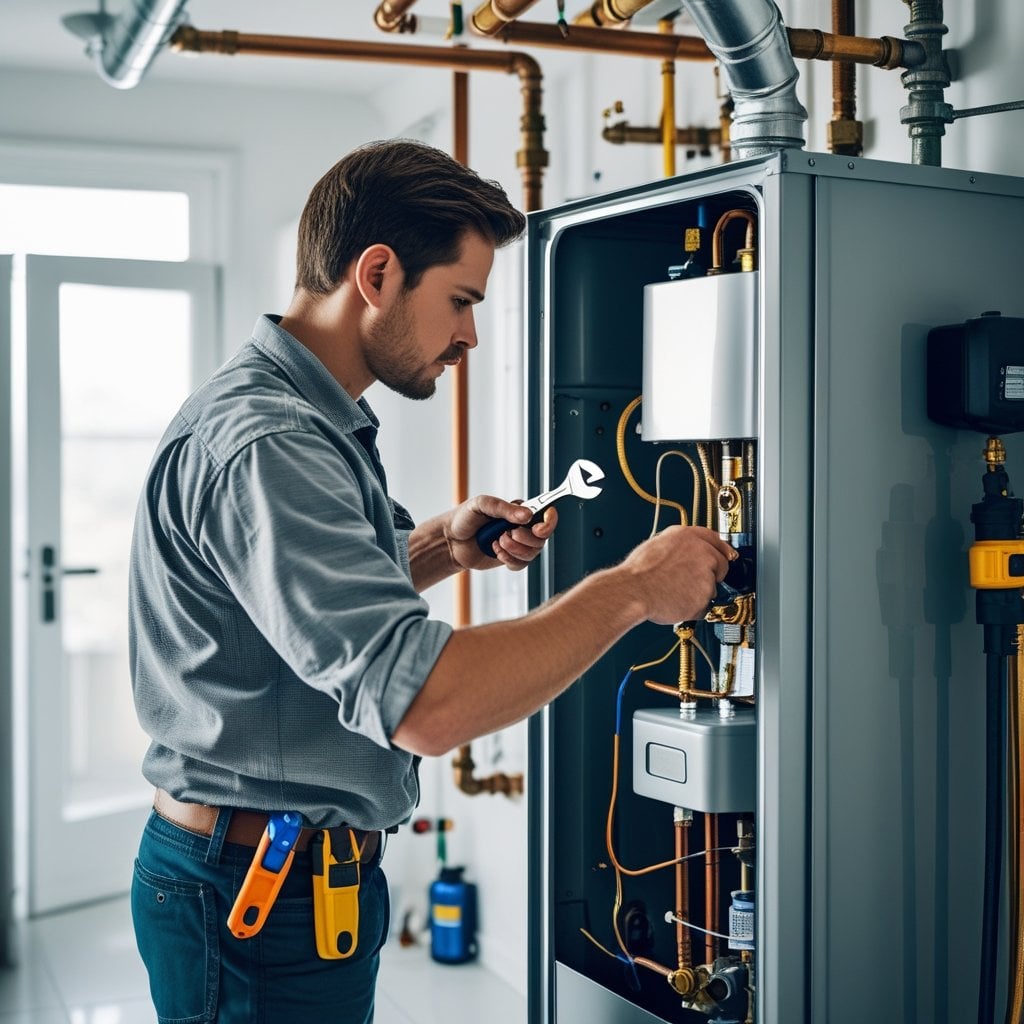
Your water heater runs out of hot water due to several key factors: sediment buildup reducing tank capacity, faulty heating elements, an undersized unit for your household needs, or high simultaneous demand from multiple appliances.
Understanding these causes helps you identify whether you need simple maintenance or professional repairs.
Whether your water heater is struggling with sediment accumulation, thermostat issues, or incorrect settings, we’ll walk you through the most effective ways to restore your reliable hot water supply and prevent future problems.
Key Takeaways
- Sediment buildup and faulty heating elements are the most common reasons water heaters run out of hot water quickly
- Regular maintenance like annual tank flushing and thermostat checks can prevent most hot water shortage problems
- Upgrading to a properly sized water heater or tankless system may be necessary if your current unit can’t meet household demand
How Hot Water Heaters Work
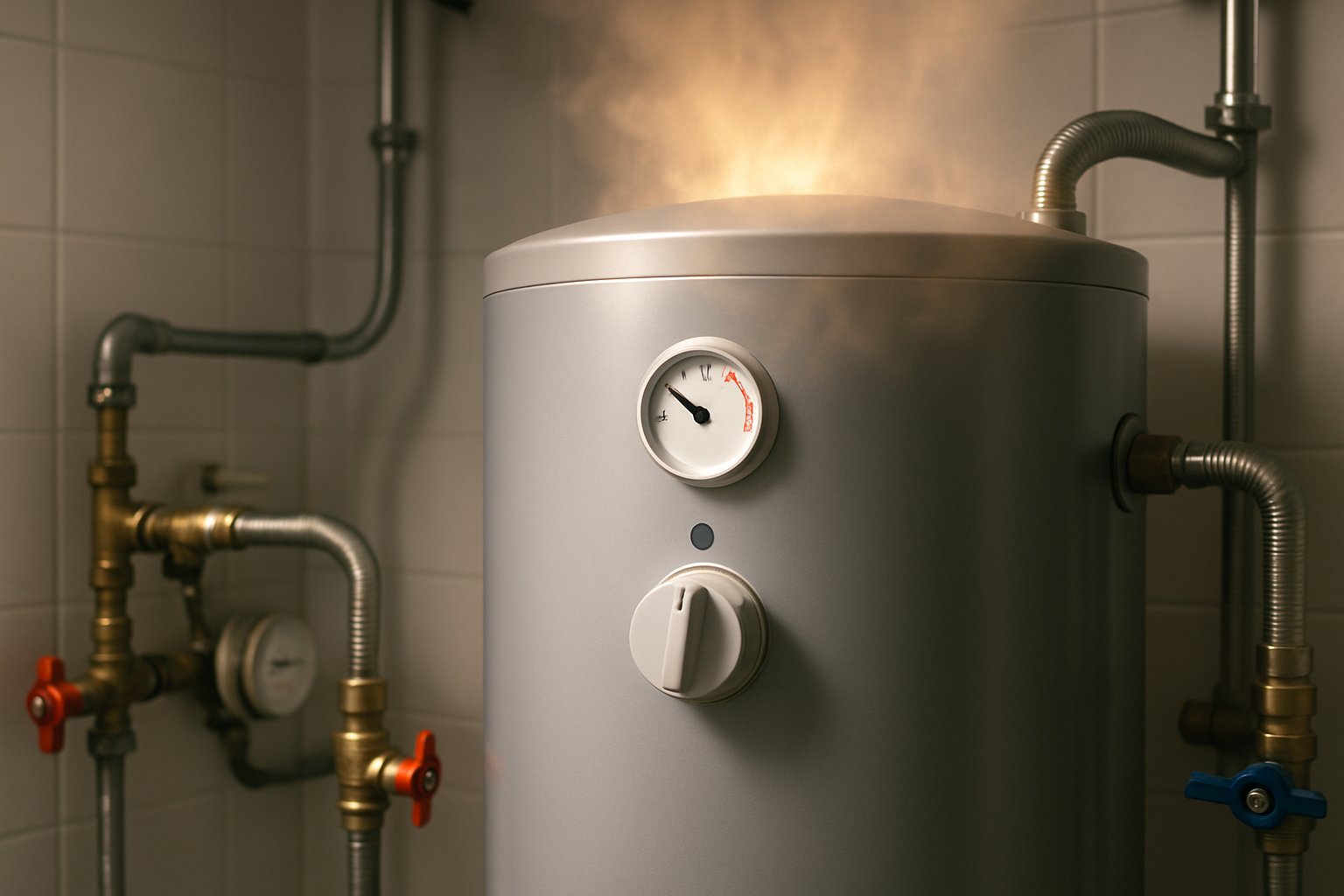
Water heaters operate through different mechanisms depending on their type, but all systems rely on key components like thermostats and heating elements to deliver hot water when we need it.
The recovery time and supply capacity vary significantly between tank and tankless systems.
Tank Water Heaters vs. Tankless Water Heaters
Tank water heaters store heated water in a large insulated tank, typically holding 30 to 80 gallons.
When we turn on a hot water tap, heated water flows from the top of the tank while cold water enters at the bottom.
The heating element or gas burner activates when the thermostat detects the water temperature has dropped.
This process continues 24 hours a day to maintain the set temperature.
Tank Water Heater Features:
- Storage capacity: 30-80 gallons
- Recovery time: 30-60 minutes
- Energy usage: Continuous heating
Tankless water heaters heat water on demand as it flows through the unit.
When we open a hot water faucet, cold water travels through a heat exchanger where gas burners or electric elements rapidly heat it.
These systems provide unlimited hot water but have flow rate limitations.
High simultaneous demand can overwhelm tankless systems, causing temperature drops.
Tankless Water Heater Features:
- No storage tank required
- Instant heating activation
- Flow rate: 2-5 gallons per minute
Key Components: Dip Tube, Anode Rod, and Thermostat
The dip tube directs incoming cold water to the bottom of tank water heaters.
This plastic or metal tube prevents cold water from mixing with hot water at the top of the tank.
When dip tubes break or crack, cold water mixes with heated water, reducing overall temperature and causing faster hot water depletion.
The thermostat controls when heating elements activate.
Most tank systems have two thermostats – one for the upper heating element and one for the lower element.
Thermostat Settings:
- Recommended temperature: 120°F
- Maximum safe setting: 140°F
- Energy-saving range: 115-120°F
The anode rod protects the tank from corrosion by attracting corrosive elements in the water.
This sacrificial metal rod gradually dissolves over time, typically lasting 3-5 years.
Without a functioning anode rod, the tank walls corrode rapidly, leading to leaks and system failure.
Understanding Hot Water Supply and Recovery Time
Hot water supply depends on tank capacity and household demand.
A 40-gallon tank provides enough hot water for one to two people, while families of four or more typically need 50-80 gallon tanks.
Recovery time measures how quickly a water heater can reheat a full tank after depletion.
Gas water heaters recover faster than electric models due to higher BTU output.
Recovery Rates by Fuel Type:
- Gas water heaters: 20-25 gallons per hour
- Electric water heaters: 15-20 gallons per hour
- Heat pump models: 10-15 gallons per hour
Peak demand periods strain hot water supply when multiple fixtures operate simultaneously.
Morning routines often create the highest demand as family members shower, run dishwashers, and use washing machines.
Sediment buildup reduces both storage capacity and heating efficiency, extending recovery time and limiting available hot water supply.
Top Reasons Your Water Heater Runs Out of Hot Water
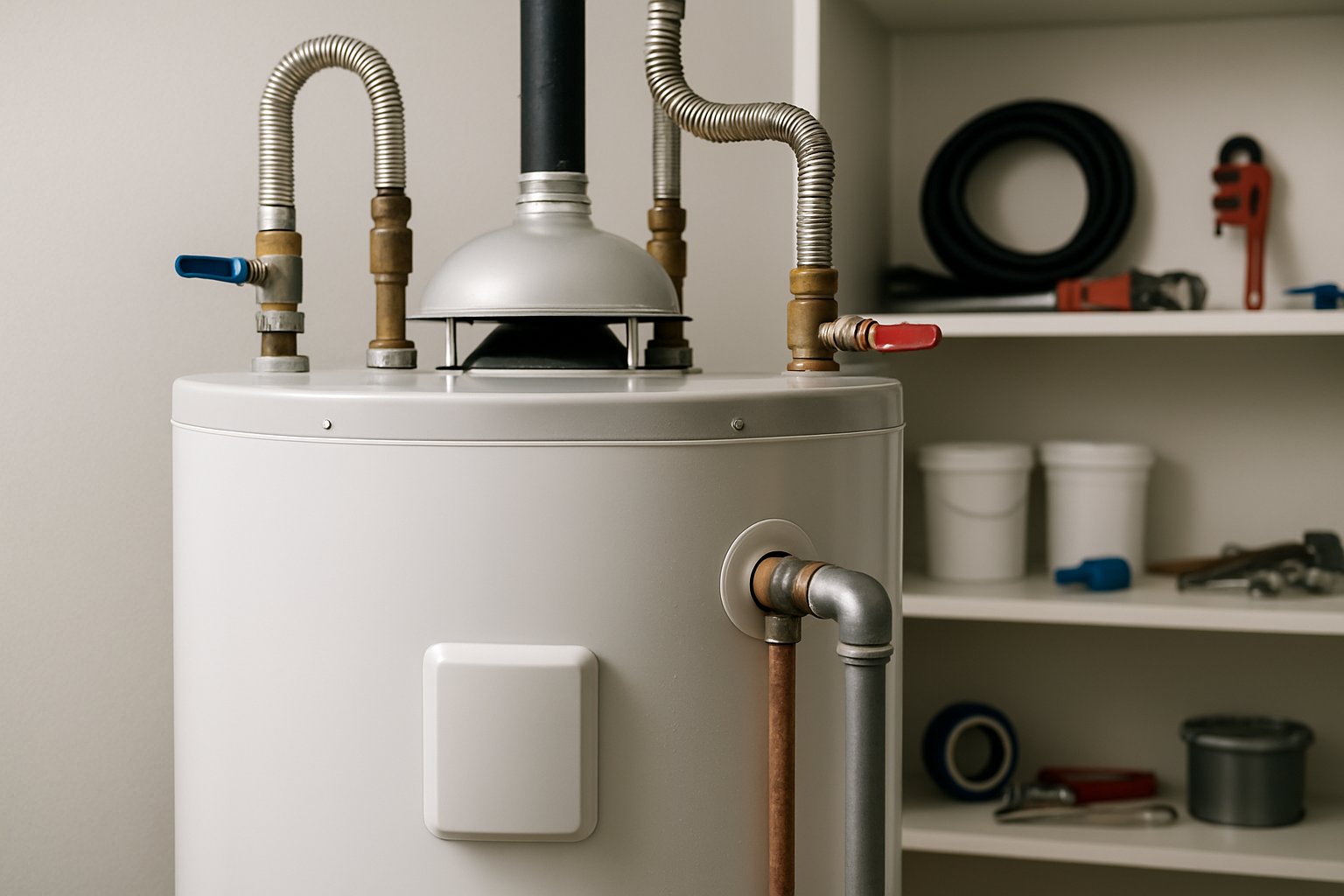
Most hot water shortages happen because your water heater is too small for your home’s needs, the temperature settings are wrong, or mineral deposits have built up inside the tank.
These three issues account for the majority of cases when hot water runs out fast.
Undersized Water Heater and High Water Usage
An undersized water heater cannot keep up with your family’s hot water demands.
This creates a hot water shortage during peak usage times like morning showers or when multiple appliances run at once.
Water heater size matters more than most homeowners realize.
A family of four typically needs a 50-60 gallon tank water heater. Smaller households can use 40-gallon units.
Heater size problems become obvious when:
- Hot water runs out during one shower
- You wait long periods between hot water uses
- Multiple people cannot shower back-to-back
High water usage makes sizing problems worse.
When we run dishwashers, washing machines, and showers simultaneously, even properly sized units struggle.
The solution involves either upgrading to a larger tank or managing usage patterns.
Staggering hot water usage helps existing systems work better.
Modern tankless units can solve space and capacity issues.
They heat water on demand rather than storing it.
Improper Thermostat Settings
Wrong thermostat settings cause water temperature problems and faster hot water depletion.
Most water heaters come set to 140°F from the factory, but optimal temperature is 120°F.
Thermostat settings that are too low mean we mix less cold water with hot water.
This uses up our hot water supply faster than normal.
Settings that are too high waste energy and create safety risks.
They also cause more sediment buildup over time.
We should check our thermostat annually for proper temperature.
Resetting your water heater thermostat often fixes hot water shortage problems.
Common thermostat issues include:
- Faulty temperature sensors
- Broken heating elements
- Electrical connection problems
- Calibration drift over time
Electric water heaters have two thermostats that must work together.
When one fails, we get inconsistent water temperatures and reduced capacity.
Sediment Buildup in the Tank
Sediment buildup reduces tank capacity and heating efficiency.
Minerals from hard water settle at the bottom of the tank over time.
This sediment layer acts like insulation between the heating element and water.
The heater works harder but heats less water effectively.
Hard water accelerates sediment problems.
Areas with high mineral content see faster buildup and more frequent issues.
Signs of sediment problems include:
- Rumbling or popping sounds from the tank
- Longer heating times
- Reduced hot water quantity
- Rusty or discolored water
Flushing the tank removes sediment and restores capacity.
We should drain and flush water heaters annually to prevent sediment buildup in the tank.
Professional maintenance helps identify sediment issues early.
Regular flushing extends water heater life and maintains efficiency.
Severe sediment buildup may require professional cleaning or tank replacement.
Prevention through regular maintenance costs less than major repairs.
Malfunctioning Parts and System Failures
When internal components break down or wear out, your water heater stops working properly.
Electric heating elements can burn out, dip tubes can crack, and aging parts simply fail after years of use.
Faulty Heating Elements in Electric Water Heaters
Electric water heaters rely on heating elements to warm the water in your tank.
When these parts fail, you lose hot water fast.
Most electric water heaters have two heating elements.
The upper element heats first, then the lower element takes over.
If the lower element fails, you get a small amount of hot water that runs out quickly.
Signs of failed heating elements include:
- Hot water that lasts only a few minutes
- Water that never gets fully hot
- No hot water at all
We can test heating elements with a multimeter to check if they work.
Failed heating elements require professional replacement in most cases.
The upper element usually controls the lower one.
When it breaks, neither element works properly.
Heating elements typically last 6-10 years.
Hard water with lots of minerals makes them fail faster.
Broken or Deteriorated Dip Tube
The dip tube carries cold water to the bottom of your tank.
When this plastic tube breaks or deteriorates, cold water mixes with hot water near the top.
A broken dip tube creates lukewarm water instead of hot water.
The cold water never reaches the bottom where heating happens.
Instead, it dilutes the hot water at the top of the tank.
Common dip tube problems:
- Tube cracks or breaks apart
- Plastic pieces clog faucets and fixtures
- Water temperature drops significantly
Dip tubes in water heaters from the 1990s often used defective materials.
These tubes break down into white plastic flakes that appear in your hot water.
We need to replace the entire dip tube to fix this problem.
The repair requires draining the tank and removing the cold water inlet connection.
Aging Water Heater and Worn Components
Water heaters typically last 8-12 years before major components start failing.
Older units struggle to maintain proper hot water supply.
Multiple parts wear out as your water heater ages.
Thermostats become less accurate.
Insulation loses effectiveness.
Internal components corrode and break down.
Signs of an aging water heater:
- Inconsistent water temperature
- Strange noises during operation
- Higher energy bills
- Frequent need for repairs
Tank corrosion becomes a serious problem after 10 years.
Internal rust reduces tank capacity and affects water quality.
Leaks and Pressure-Relief Valve Issues
Leaks reduce the amount of hot water available in your tank.
Water leaking from various parts forces the system to work harder to maintain temperature.
The pressure-relief valve prevents dangerous pressure buildup.
When this valve fails, it either leaks constantly or doesn’t open when needed.
Common leak locations:
- Tank connections at top and bottom
- Pressure-relief valve and discharge pipe
- Tank walls due to corrosion
- Drain valve at bottom of tank
Small leaks waste hot water continuously.
Your water heater runs more often to replace the lost heated water.
This creates higher energy costs and faster component wear.
Tank leaks from corrosion require complete replacement.
We cannot safely repair cracked or corroded tanks.
Connection leaks are often fixable by tightening fittings or replacing gaskets.
Pressure-relief valve leaks usually need valve replacement.
Hot Water Limitations in Tankless Systems
Tankless water heaters face specific constraints that can limit hot water availability despite their on-demand design.
Flow rate capacity, temperature fluctuations between uses, and multiple fixture demands create the most common performance issues.
Flow Rate Restrictions
Every tankless water heater has a maximum flow rate measured in gallons per minute (GPM).
When our water usage exceeds this capacity, the unit cannot maintain proper heating temperatures.
Most residential tankless units produce between 2-5 GPM at their rated temperature rise.
A standard shower uses 2.5 GPM while a kitchen faucet uses 1.5 GPM.
If we run both simultaneously, we need 4 GPM total.
A 3 GPM unit will struggle to heat this volume properly.
Common Flow Rate Issues:
- Water temperature drops during high demand
- Unit shuts down to prevent overheating
- Inconsistent hot water supply during peak usage times
We can check our unit’s GPM rating on the manufacturer label.
Compare this to our household’s simultaneous water usage patterns.
Cold Water Sandwich Effect
The cold water sandwich effect occurs when we turn hot water on and off repeatedly.
Cold water trapped in the pipes between uses creates temperature fluctuations.
When we first turn on hot water, we get the remaining hot water from previous use.
Then cold water flows briefly before the tankless unit activates and heats new water.
This creates a hot-cold-hot pattern that makes tankless water heaters go from hot to cold unexpectedly.
Factors That Worsen This Effect:
- Long pipe runs from heater to fixtures
- Frequent on/off water usage
- Low-flow fixtures that don’t trigger the unit consistently
We can minimize this by installing recirculation pumps or keeping water running slightly between uses during tasks like dishwashing.
Simultaneous Water Usage Challenges
Multiple fixtures running at once create the biggest challenge for tankless systems.
When our hot water runs out fast, simultaneous usage is often the cause.
High-Demand Scenarios:
- Morning routines with multiple showers
- Running dishwasher while showering
- Laundry and bathing at the same time
Tankless water heaters struggle during high-demand periods if improperly sized for our household needs.
We need to calculate our peak hour demand.
Add up the GPM requirements for all fixtures we might use simultaneously.
A four-person household typically needs 6-8 GPM capacity for comfortable simultaneous water usage.
Undersized units will prioritize one fixture over others, leaving some with lukewarm water.
Energy Efficiency and Maintenance Tips
Proper thermostat settings can reduce energy costs by up to 10% while extending your water heater’s lifespan.
Regular maintenance tasks like flushing sediment and replacing anode rods prevent costly breakdowns and keep hot water flowing consistently.
Setting and Adjusting Thermostat for Efficiency
We recommend setting your water heater thermostat to 120°F for optimal energy efficiency and safety.
This temperature prevents scalding while providing adequate hot water for most household needs.
Higher temperatures waste energy and increase mineral buildup.
Lower settings may not provide enough hot water during peak usage times.
Electric water heaters typically have two thermostats – upper and lower elements.
Both should be set to the same temperature for proper operation.
Gas water heaters have a single dial control.
Turn clockwise to increase temperature and counterclockwise to decrease it.
Check your current setting by running hot water for three minutes, then testing with a thermometer.
Adjusting thermostat settings can immediately improve your system’s performance.
During winter months, we may need to increase the setting by 5-10 degrees to compensate for colder incoming water temperatures.
Regular Maintenance and Flushing the Tank
We should flush our water heater tank annually to remove sediment buildup that reduces efficiency and shortens the unit’s lifespan.
Sediment accumulation creates a barrier between heating elements and water.
Monthly maintenance schedule:
- Check temperature and pressure relief valve
- Inspect for leaks around connections
- Test hot water temperature
Annual maintenance tasks:
- Flush the entire tank
- Check anode rod condition
- Inspect gas venting system (gas units)
To flush the tank, we turn off power and water supply, connect a garden hose to the drain valve, and drain until water runs clear.
This process removes mineral deposits that force the system to work harder.
Regular maintenance prevents sudden hot water shortages and extends equipment life by 2-3 years on average.
Checking and Replacing the Anode Rod
We need to inspect our anode rod every 2-3 years to prevent tank corrosion and premature failure.
This sacrificial metal rod attracts corrosive elements that would otherwise attack the tank walls.
Signs the anode rod needs replacement:
- Rod is less than ½ inch thick
- Wire core is visible
- Rod is heavily corroded or flaked
Replacement process:
- Turn off power and drain 2-3 gallons from tank
- Locate hexagonal head at tank top
- Use impact wrench to remove old rod
- Install new rod with pipe thread compound
Anode rod types:
- Magnesium: Best for soft water areas
- Aluminum: Ideal for hard water with sulfur smell
- Zinc: Reduces sulfur odors in well water
Replacing the anode rod costs $20-50 but prevents tank replacement that can cost $800-2000.
We should mark our calendar for regular inspections to maintain our water heater’s protective barrier.
When to Call a Professional Plumber
Some water heater problems require professional expertise to diagnose and fix safely.
Complex internal issues, gas line problems, and major component failures need trained technicians with specialized tools and knowledge.
Identifying Complex Issues
We recommend calling a plumber when simple fixes don’t resolve the problem.
If you’ve adjusted the thermostat and flushed the tank but still run out of hot water quickly, the issue likely involves internal components.
Electric water heater problems often involve faulty heating elements that require electrical expertise.
These elements can burn out and need replacement with specific tools.
Gas water heater issues may include problems with the pilot light, gas valve, or venting system.
These components involve gas lines that only licensed plumbers should handle.
Tank water heater leaks around the base or tank walls indicate serious structural problems.
Water pooling around your unit means we need professional assessment immediately.
Strange noises like banging, popping, or rumbling often signal sediment buildup or internal damage.
Professional plumbers can determine if cleaning will fix the issue or if parts need replacement.
Inconsistent water temperature that varies between scalding hot and lukewarm points to thermostat or heating element failure.
Safety Considerations for Repairs
Gas water heater repairs pose serious safety risks that require professional handling.
Gas leaks can cause explosions or carbon monoxide poisoning if connections aren’t properly sealed.
We never recommend homeowners work on gas lines, pilot lights, or venting systems.
Licensed plumbers have the training to handle these dangerous components safely.
Electric water heater repairs involve high-voltage electricity that can cause serious injury or death.
The electrical connections require proper shutdown procedures and specialized testing equipment.
Water and electricity create deadly combinations.
Professional technicians know how to safely disconnect power and test circuits before starting repairs.
Pressure relief valve problems need immediate professional attention.
These valves prevent dangerous pressure buildup that could cause tank explosions.
Tank corrosion or structural damage requires expert evaluation.
We can assess whether the tank is safe to continue using or needs immediate replacement.
Replacement vs. Repair Decisions
Professional plumber expertise helps determine when repairs make financial sense versus full replacement.
Units over 10-12 years old often cost more to repair than replace.
Multiple component failures indicate your water heater is reaching end-of-life.
We can calculate repair costs versus new unit installation to help you decide.
Energy efficiency improvements may justify replacement even when repairs are possible.
Newer models use significantly less energy than units from 15+ years ago.
Tank water heater rust or corrosion issues usually mean replacement is the only safe option.
Internal tank damage cannot be effectively repaired.
Frequent breakdowns every few months signal it’s time for a new unit.
Ongoing repair costs quickly exceed replacement expenses.
Plumbers can assess your household’s hot water needs and recommend properly sized replacements.
Upgrading to the right capacity prevents future shortages.
Insurance coverage often requires professional installation for warranty protection.
DIY repairs may void manufacturer warranties and insurance claims.
Frequently Asked Questions
Water heaters can fail for many reasons, from sediment buildup to incorrect sizing.
Recovery times vary based on your heater type and tank size. New units may have installation issues or capacity problems.
What could be causing my water heater to deplete hot water faster than usual?
Several issues can make your water heater run out of hot water quickly.
Sediment buildup in the tank reduces heating efficiency and takes up space where hot water should be.
A faulty thermostat may not heat water to the proper temperature.
If it’s set too low, you’ll run out faster than normal.
Broken heating elements in electric water heaters can’t heat water properly.
When one element fails, your water stays lukewarm and doesn’t last as long.
Your water heater might be too small for your household’s needs.
As families grow, the original tank size may no longer be adequate.
How long should it take for the water heater to recover after running out of hot water?
Recovery time depends on your water heater type and size.
Gas water heaters typically recover faster than electric models.
A 40-gallon gas water heater usually takes 30-40 minutes to fully reheat.
Electric units of the same size need 60-90 minutes for complete recovery.
Larger tanks take longer to reheat but provide more hot water once ready.
Tank water heaters need sufficient recovery time between heavy usage periods.
Tankless water heaters don’t need recovery time since they heat water on demand.
However, they may struggle with multiple simultaneous uses.
What are the common reasons for a new water heater to run out of hot water quickly?
New water heaters can have installation problems that affect performance.
Incorrect thermostat settings during installation often cause insufficient hot water.
Poor pipe insulation lets heat escape before hot water reaches your faucets.
This makes it seem like your new heater isn’t working properly.
The new unit might be the wrong size for your home’s needs.
Incorrect sizing of water heaters is a common problem that leads to quick depletion.
Faulty heating elements or gas controls can occur even in new units.
Manufacturing defects, though rare, can cause immediate performance issues.
Can the capacity of my water heater affect how quickly I run out of hot water?
Yes, tank capacity directly affects how much hot water you have available.
Small tanks run out faster than larger ones.
A 30-gallon tank works for 1-2 people, while families of 3-4 need 40-50 gallons.
Households with 5 or more people require 50-80 gallon tanks.
Undersized water heaters can’t keep up with demand during peak usage times.
Morning showers and evening dishwashing can quickly drain a small tank.
Even properly sized tanks will run out if multiple people use hot water simultaneously.
Spacing out usage helps prevent running out completely.
Are there any signs that my water heater is failing if I experience a lack of hot water?
Several warning signs indicate water heater problems beyond just running out of hot water.
Rusty or discolored water suggests internal tank corrosion.
Strange noises like popping or rumbling often mean sediment has built up inside the tank.
These sounds happen when water tries to heat through the mineral layer.
Water that takes longer to heat up or never gets very hot points to thermostat or heating element problems.
Lukewarm water is a clear sign of component failure.
Leaks around the base of your water heater indicate serious internal damage.
This usually means the tank has developed cracks and needs replacement.
How can I troubleshoot a water heater that doesn’t maintain hot water for an expected duration?
Start by checking your thermostat setting. Set it to 120°F for optimal performance and safety.
Flush your tank to remove sediment buildup that reduces efficiency.
Test heating elements in electric water heaters using a multimeter. Replace any elements that don’t show proper resistance readings.
Check for leaks in pipes and around the tank base. Even small leaks waste hot water and reduce available supply.
Insulate hot water pipes to prevent heat loss during transport. This helps hot water stay warm longer as it travels to your fixtures.