

Quick Tips to Unclog Your Slow Draining Bathroom Sink
Are you frustrated with your slow draining bathroom sink? This guide provides clear, step-by-step troubleshooting methods and solutions to help you quickly restore proper sink drainage. You’ll discover common causes behind drainage issues, practical fixes using everyday household items, and when to call a professional plumber for help. With these tips, you can save time and avoid expensive service calls while keeping your sink running smoothly.
Uncover Proven Fixes for Slow Bathroom Sink Drains
- Identify common blockage causes such as hair, soap scum, and debris.
- Learn easy, natural, and chemical-based solutions for unclogging.
- Discover simple tools and maintenance tips to prevent future drain issues.
- Know when professional plumbing help is necessary.
Identify Common Causes of a Slow Bathroom Sink Drain
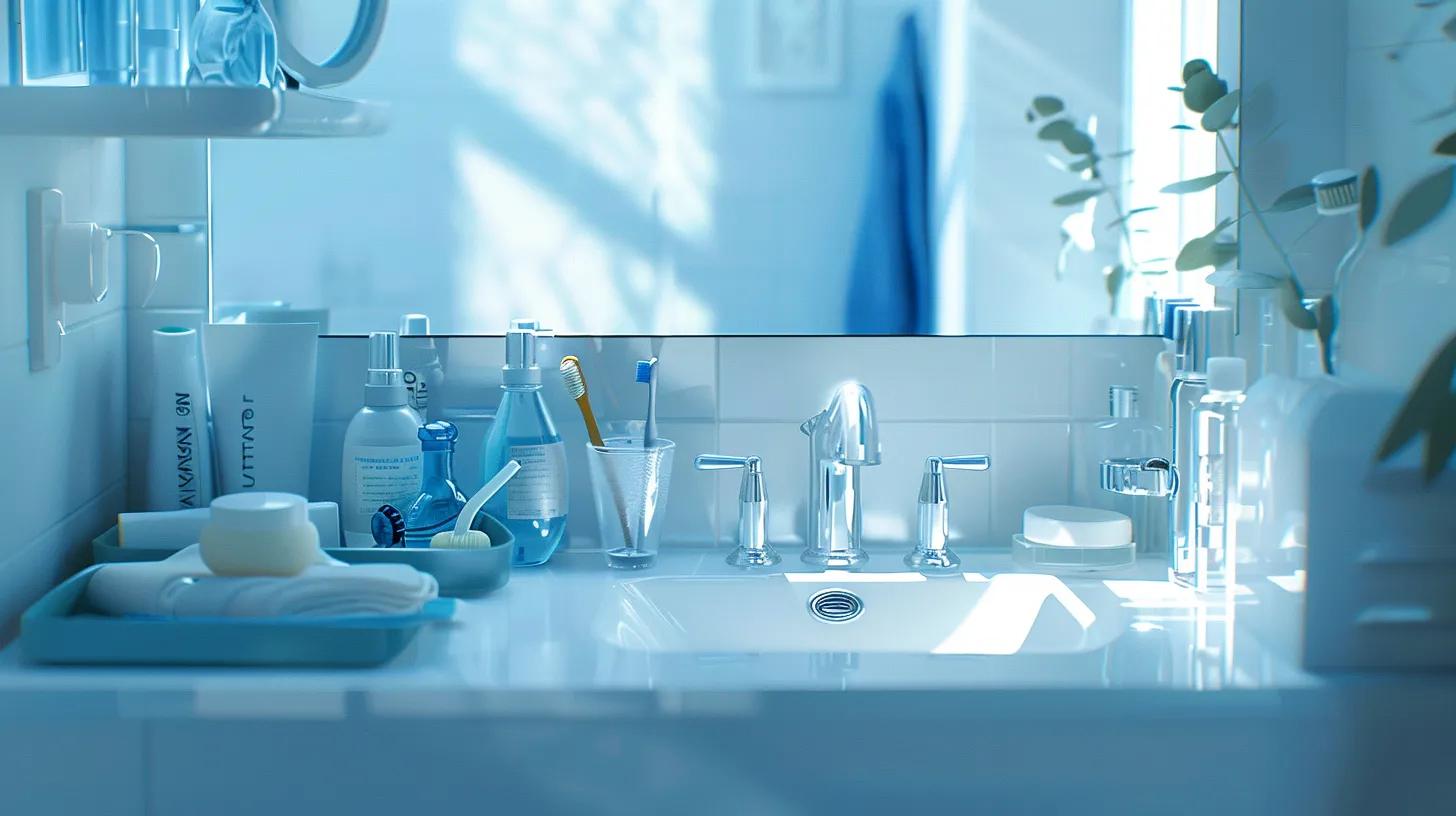
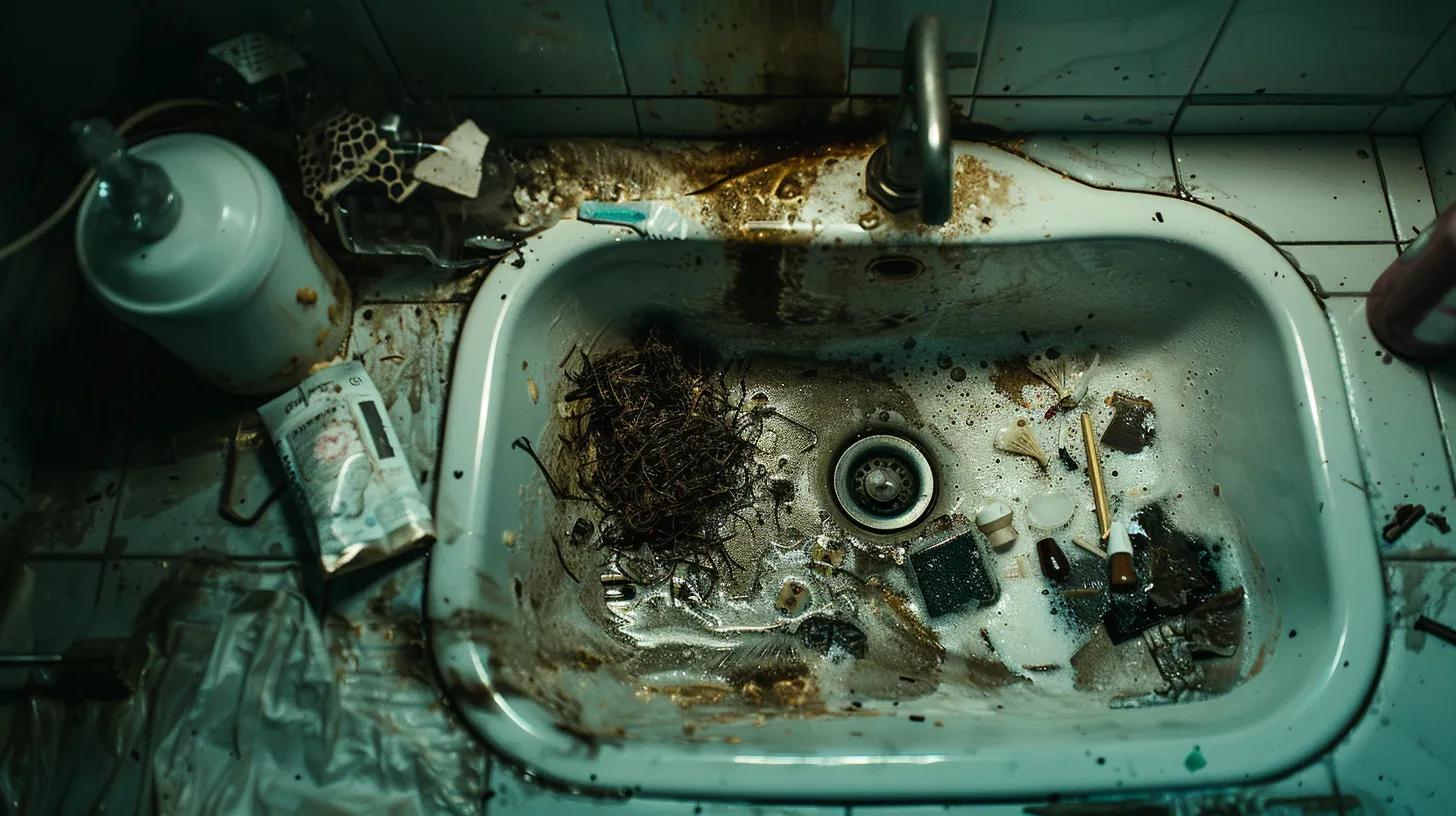
Start by examining the sink for signs of buildup. Often, the slow drainage originates from trapped hair, soap scum, or small objects lodged in the drain causing obstruction. The accumulation of grime over time can lead to buildup that restricts the flow. Identifying these causes early makes effective cleaning possible and minimizes the risk of severe clogs that may worsen over time.
Spotting Hair Buildup in Your Sink
Hair easily clogs the pipes and creates a tangled mess, impeding water flow. Regularly check and remove hair clumps accumulated around the drain to restore good drainage.
Recognizing Soap Scum Accumulation
Soap residues mix with minerals in water to form hard deposits. These deposits gradually build up along the pipes’ inner surface, reducing the drain diameter. Routine cleaning can help prevent excessive soap scum buildup.
Checking for Small Objects Obstructing the Drain
Tiny objects like toothpaste residue or jewelry fragments may fall into the sink. These unexpected items can block water flow if they become lodged, so inspect and remove any foreign particles.
Understanding How Grime Contributes to Slow Drains
Mixed with oils and dirt, grime solidifies into stubborn clogs. Over time, this grimy layer narrows the passage for water, making even a small blockage problematic.
Basic Fixes for a Gradually Slowing Bathroom Sink
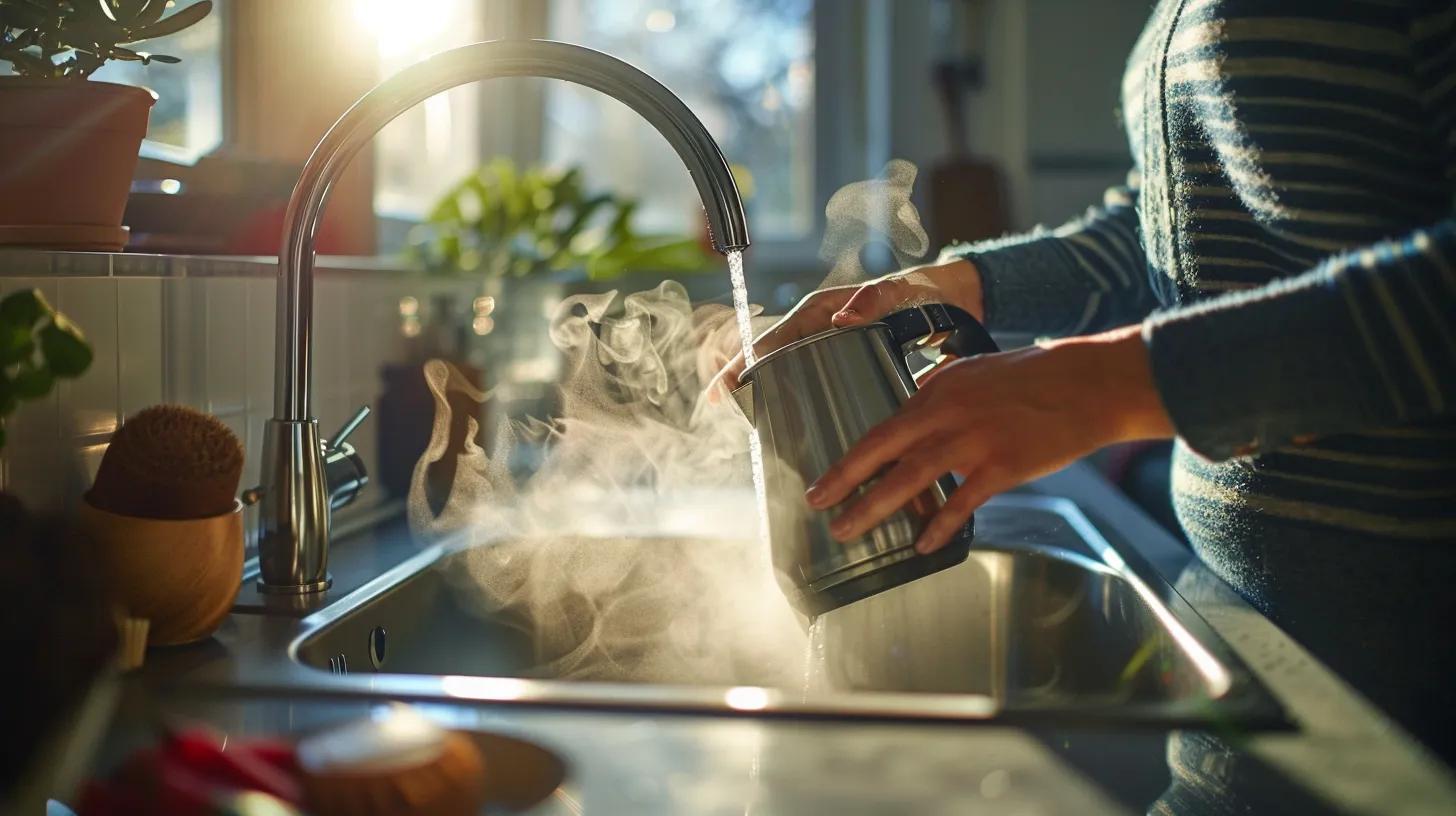
Begin with simple home remedies that can often resolve the issue without professional tools. Pouring boiling water or using a plunger can sometimes clear minor blockages. With minimal supplies, you can perform a quick service to regain proper sink function. These techniques also help in loosening any soap scum or grease that has accumulated in the drain.
Pour Boiling Water to Dissolve Grease
Boiling water helps break down grease and soap residue clinging to the pipes. Carefully pour it in stages to allow the heat to work its magic on the buildup.
Use a Plunger to Dislodge Minor Obstructions
A plunger creates suction that may pull out hair and debris stuck in the drain. Ensure a proper seal around the drain before plunging vigorously.
Remove and Clean the Sink Stopper
Often, the stopper holds a significant amount of hair and debris. Removing it, cleaning thoroughly, and reinstalling can dramatically improve water flow.
Try a Bent Wire Hanger for Shallow Clogs
A simple bent hanger can be a handy tool to gently fish out hair and debris from the drain trap, helping clear the blockage.
Natural Solutions to Clear Your Bathroom Sink
If you prefer eco-friendly remedies, natural solutions offer a safe way to unclog your sink. These methods use ingredients commonly found in your kitchen and are both effective and gentle on plumbing. Not only do they break down clogs, but they also leave a fresh scent in your bathroom.
Create a Baking Soda and Vinegar Foaming Action
Mix baking soda with vinegar to produce a fizzing reaction that can help dissolve accumulated buildup inside the drain. Pour the mixture directly into the drain and let it work for several minutes before flushing with hot water.
Apply Salt and Baking Soda for Overnight Cleaning
A combination of salt and baking soda acts as a mild abrasive and cleanser. Mix thoroughly, let it sit overnight, and then rinse with hot water in the morning for improved flow.
Utilize Lemon Juice for Freshening and Clearing
Lemon juice’s natural acidity breaks down deposits while leaving a light, fresh aroma. Combine it with boiling water for a dual-action unclogging method.
Flush With Hot Water After Natural Treatments
After applying any natural treatment, always follow with a hot water flush to further dislodge debris and clear any remaining residue from the drain.
Simple Tools for Unblocking a Bathroom Sink

For tougher clogs that resist simple fixes, basic plumbing tools can be very effective. Using specialized tools may save you time and bypass the need for chemical drain cleaners. When selecting your tool, always take proper safety precautions and wear any necessary protective gear.
Employ a Zip-It Tool or Drain Stick Effectively
A Zip-It tool is designed to grab and remove hair and debris from inside the drain quickly. Run it through the drain several times to bring out any obstructions.
Use a Small Handheld Drain Auger or Snake
A drain snake reaches deeper into the pipe to break apart stubborn clogs. Gently feed it into the drain and rotate to clear blockages, then slowly retract the tool.
How to Safely Operate a Wet/Dry Vacuum for Clogs
A wet/dry vacuum can suck out clogs if set to liquid mode. Ensure that the vacuum is used safely by following the manufacturer’s instructions to avoid splashes or accidents.
Prepare Protective Gear Before Starting
Always wear gloves and goggles when using tools or cleaning agents. This protects your skin and eyes from hazardous splashes and any sharp debris that may be dislodged.
Address the P-Trap for Stubborn Bathroom Sink Blockages
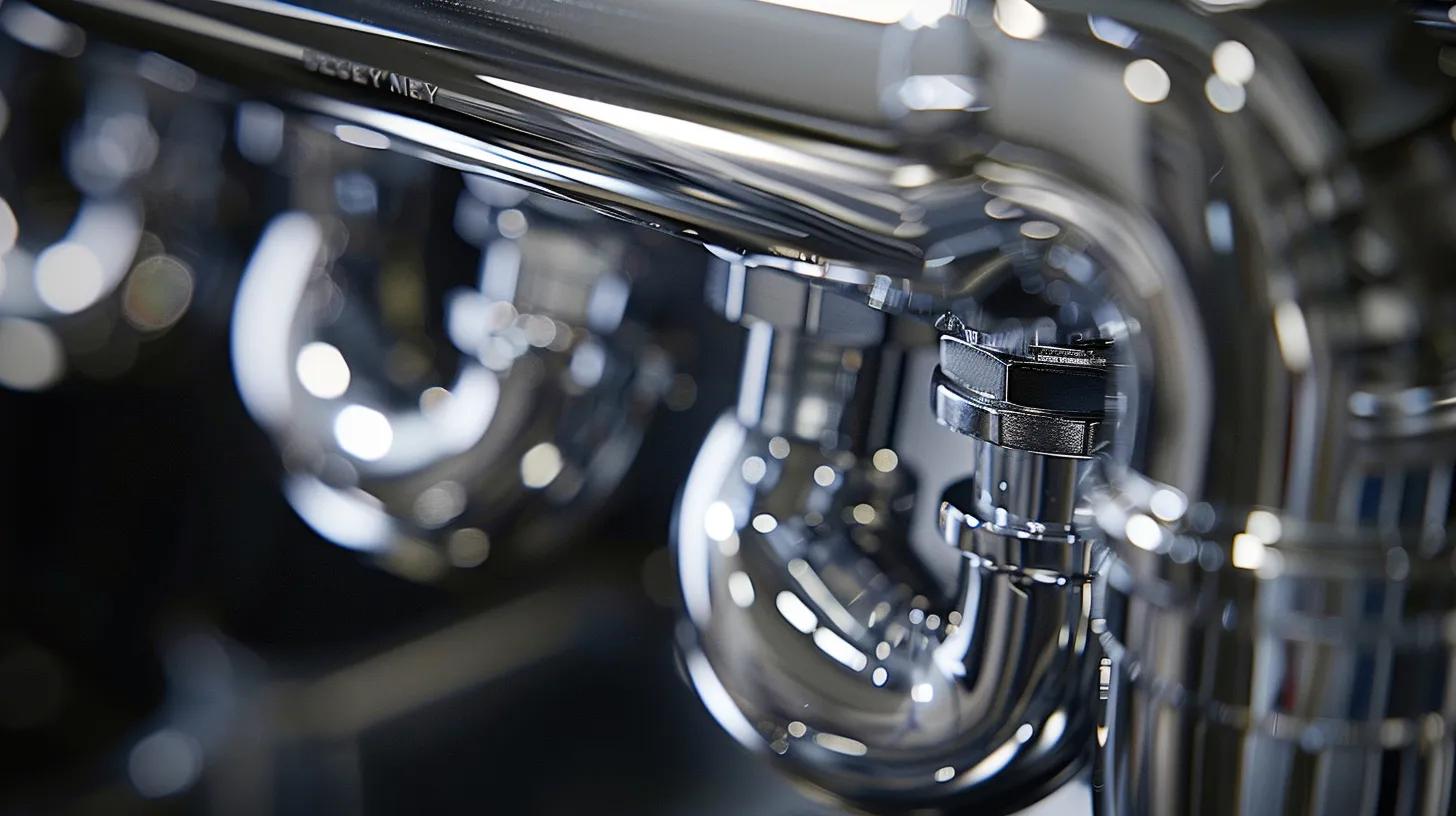
If blockages persist, the P-trap—the curved section of the drain pipe—might be the culprit. Cleaning this part often restores flow by removing accumulated debris and sediment safely.
Gather Buckets and Towels Before P-Trap Removal
Prepare by placing a bucket under the trap and having towels handy in case of spills. This keeps your work area clean and minimizes water damage.
Steps to Carefully Unscrew and Clear the P-Trap
Unscrew the slip nuts slowly and remove the trap. Clean out all debris thoroughly using a brush or cloth before reattaching the trap to the pipe.
Inspecting the P-Trap for Damage or Wear
While the trap is removed, check for any signs of corrosion or damage. Damaged traps may need replacement to maintain safe and effective drainage.
Reassembling the P-Trap Correctly Post Cleaning
After cleaning, securely reassemble the trap. Make sure all connections are tight to prevent leaks and further drainage issues.
Quick Chemical Drain Cleaner Considerations
Chemical drain cleaners are a last resort when none of the simple or natural methods work. While effective, they may also cause damage if overused or used improperly. Use them only when necessary and follow safety guidelines carefully.
Understand When Chemical Cleaners Might Be an Option
Chemical cleaners can quickly dissolve clogs but are best reserved for severe blockages that natural methods cannot resolve. Evaluate the severity before proceeding with chemicals.
Select the Right Type of Chemical Cleaner
Not all drain cleaners are the same. Choose a product specifically formulated for bathroom sinks, ensuring it is compatible with your pipes and environmental standards.
Follow Safety Precautions With Chemical Uncloggers
When using chemical treatments, wear gloves, goggles, and ensure adequate ventilation. Follow the product instructions meticulously to avoid harmful reactions.
Risks Associated With Overusing Chemical Solutions
Excessive or improper use of chemical drain cleaners can corrode pipes and harm your plumbing system. Use sparingly and always consider safer alternative methods first.
Preventative Measures for a Free-Flowing Bathroom Sink

Prevention is key. Regular maintenance and simple practices will keep your sink drain flowing freely and reduce the chances of future clogs. By integrating a few routine steps into your cleaning schedule, you can avoid the hassle of dealing with blockages altogether.
Install a Drain Screen or Hair Catcher
Using a screen prevents hair and larger debris from entering the drain in the first place, making routine maintenance much easier.
Regularly Flush Drains With Hot Water
Weekly hot water flushes help dissolve soap scum and grease build-up. This simple habit maintains a clear drain pipe.
Avoid Pouring Grease or Oils Down the Sink
Never dispose of cooking grease or oils in your sink. These substances congeal and adhere to pipe walls, creating stubborn clogs over time.
Conduct Monthly Maintenance Cleans
Set aside time each month to clear the drain using natural cleaning solutions. This proactive approach minimizes the risk of severe blockages.
Recognizing When a Quick Fix Is Not Sufficient

Sometimes a persistent clog signals deeper issues in your plumbing system. If simple fixes do not improve drainage, further investigation is necessary to avoid recurring problems that may result in damage or costly repairs.
Persistent Clogging Despite Multiple Attempts
If your sink remains clogged after several attempts at cleaning, there may be a more serious blockage or broken pipe segment requiring professional attention.
Water Backing Up in Other Drains
When water backs up not just in the sink but in other drains, the blockage may be located further down the main line, indicating a larger problem.
Foul Odors Lingering From the Sink Drain
Unpleasant smells suggest decay and buildup behind the walls of the drain. Continuous odor issues are often a sign of neglected plumbing maintenance.
Suspected Pipe Damage or Serious Blockage
Signs of pipe corrosion, leaks, or persistent slow drainage can indicate significant damage. In these cases, a professional service is essential to prevent water damage and ensure long-term solutions.
Easy Steps to Maintain Sink Drain Health
Regular upkeep prevents clogs and extends the life of your plumbing system. Simple practices performed on a routine basis will keep your sink drain clean and fully operational.
Perform Regular Hot Water Flushes Weekly
Make it a habit to pour boiling or very hot water down the drain every week. This practice helps dissolve any grease or soap scum before it accumulates.
Clean the Pop-Up Stopper Frequently
The pop-up stopper frequently collects hair and debris. Remove and clean it regularly to avoid clogging and maintain a clear drain.
Be Mindful of What Goes Down the Drain
Avoid pouring food scraps, oils, or large particles down your sink. Practicing conscious disposal can greatly reduce clog incidents.
Schedule Professional Drain Checks Periodically
Even with regular maintenance, having a plumber inspect your system once a year can catch potential issues early. Professional drain checks ensure continued efficiency and safety of your plumbing.
Professional Help for Your Slow Draining Bathroom Sink
Sometimes, despite your best efforts, unreachable clogs or damaged pipes require professional insight. Knowing when to contact a plumber is crucial for preventing further problems and ensuring your home’s plumbing system remains in top condition.
Determine When to Contact a Plumber
If you experience persistent clogs, recurring back-ups, or signs of pipe damage such as leaks and corrosion, it’s time to call in a professional. Don’t hesitate if your efforts have not resolved the issue.
What to Expect During a Professional Drain Service
A certified plumber will conduct a thorough inspection, often using specialized tools like drain cameras and snaking equipment, to identify the root cause and provide a complete solution.
Questions to Ask Your Plumbing Professional
Before hiring a professional, inquire about their experience with similar issues, the methods they will use, and what guarantees they offer on repairs. This will ensure you receive quality service.
Understanding Costs for Professional Unclogging
Estimate the cost based on the complexity of the work. Many plumbers offer upfront pricing and guarantees. Weigh the expense against the potential damage caused by prolonged blockages.
Final Thoughts
In summary, addressing a slow draining bathroom sink starts with identifying the causes—ranging from hair and soap scum buildup to more stubborn grime—and applying basic, natural, or tool-based solutions. Preventative measures and regular maintenance are essential to avoid recurring clogs, and knowing when to seek professional help can save you from larger plumbing issues and expenses. Implement these tips to maintain a free-flowing sink with confidence.
Frequently Asked Questions
Q: What is the most common cause of a slow bathroom sink drain?
A: The most common causes include accumulated hair, soap scum, and debris clogging the drain, leading to restricted water flow.
Q: Can natural solutions effectively clear a clogged sink?
A: Yes, using baking soda, vinegar, and lemon juice can produce a foaming action that dissolves buildup, followed by a hot water flush to clear the blockage.
Q: When should I contact a plumber for sink drainage issues?
A: If the clog persists despite basic fixes, water backs up in other drains, or you notice foul odors and signs of pipe damage, it’s best to seek professional plumbing service.