
Benefits of a Tankless Water Heater Expansion Tank Explained
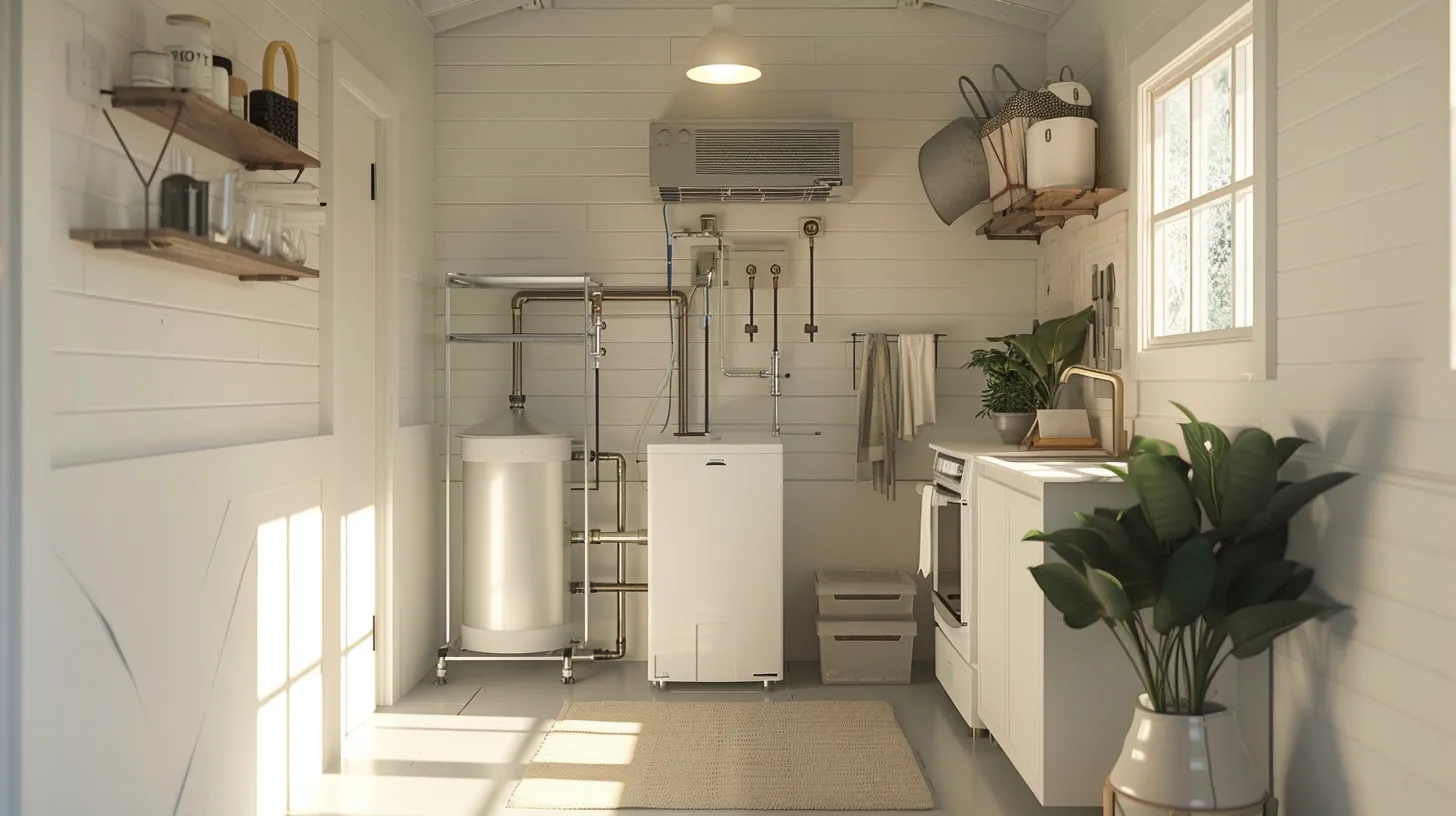
Understanding the Role of a Tankless Water Heater Expansion Tank
Have you ever experienced sudden changes in water temperature or pressure while using your tankless water heater? A tankless water heater expansion tank might be the solution you need. This article will explore the importance of expansion tanks, how they function, and their installation process. You’ll learn about maintenance tips and the benefits of using these tanks, helping you make informed decisions about your water heating system. By understanding the role of tankless water heater expansion tanks, you can improve your home’s water heating efficiency and comfort.
Importance of a Tankless Water Heater Expansion Tank
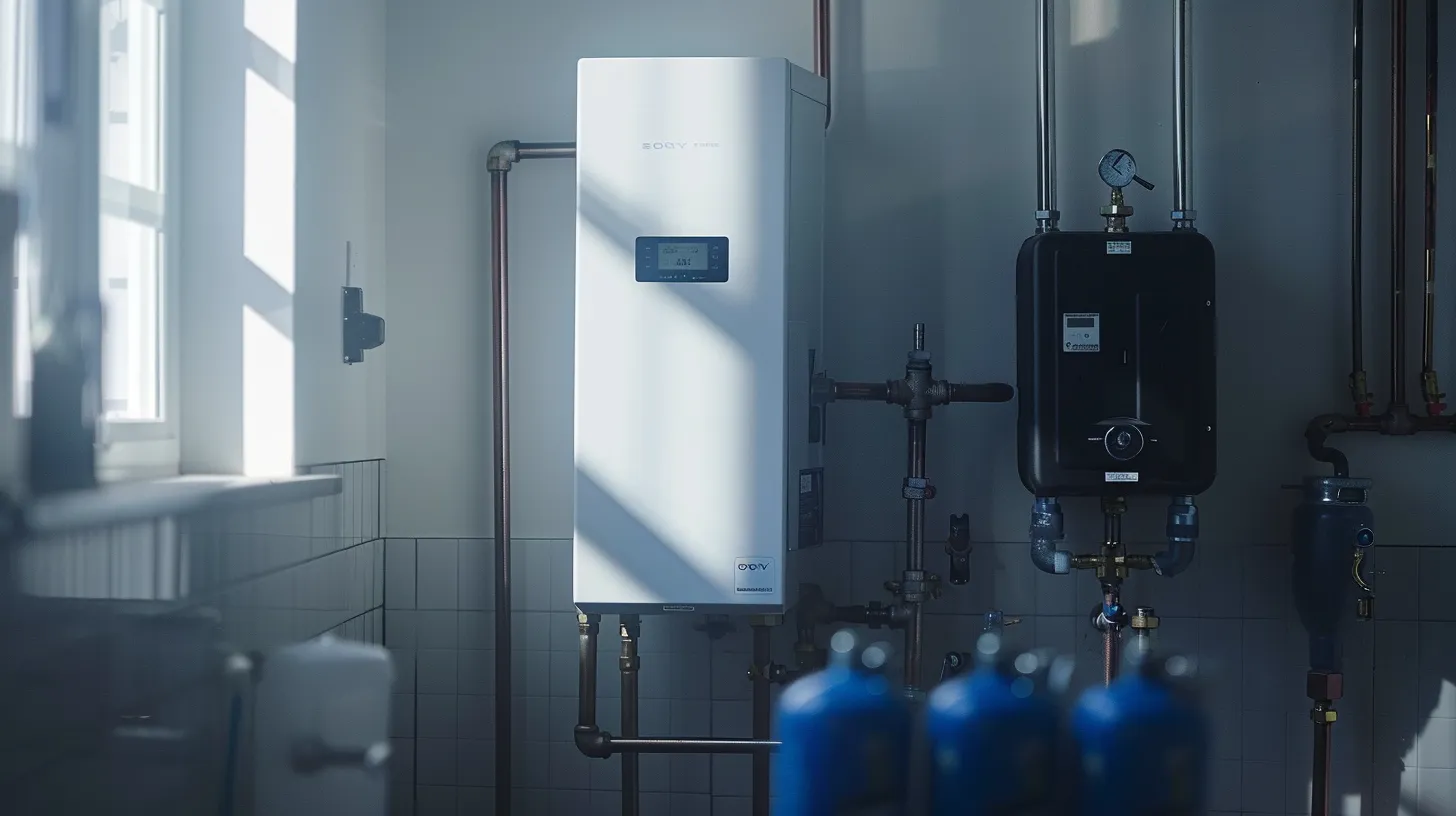
A tankless water heater expansion tank plays a crucial role in your water distribution system. It helps manage pressure fluctuations that occur when water is heated, preventing damage to pipes and fixtures.
Without an expansion tank, the increased pressure from heated water can strain your plumbing system. This pressure buildup may cause leaks, reduce the lifespan of your water heater, and potentially damage your backflow prevention device.
The expansion tank acts as a safety buffer, absorbing excess pressure and protecting your plumbing. It works in conjunction with the relief valve to maintain a stable pressure level, ensuring the efficient and safe operation of your tankless water heater.
How a Tankless Water Heater Expansion Tank Functions
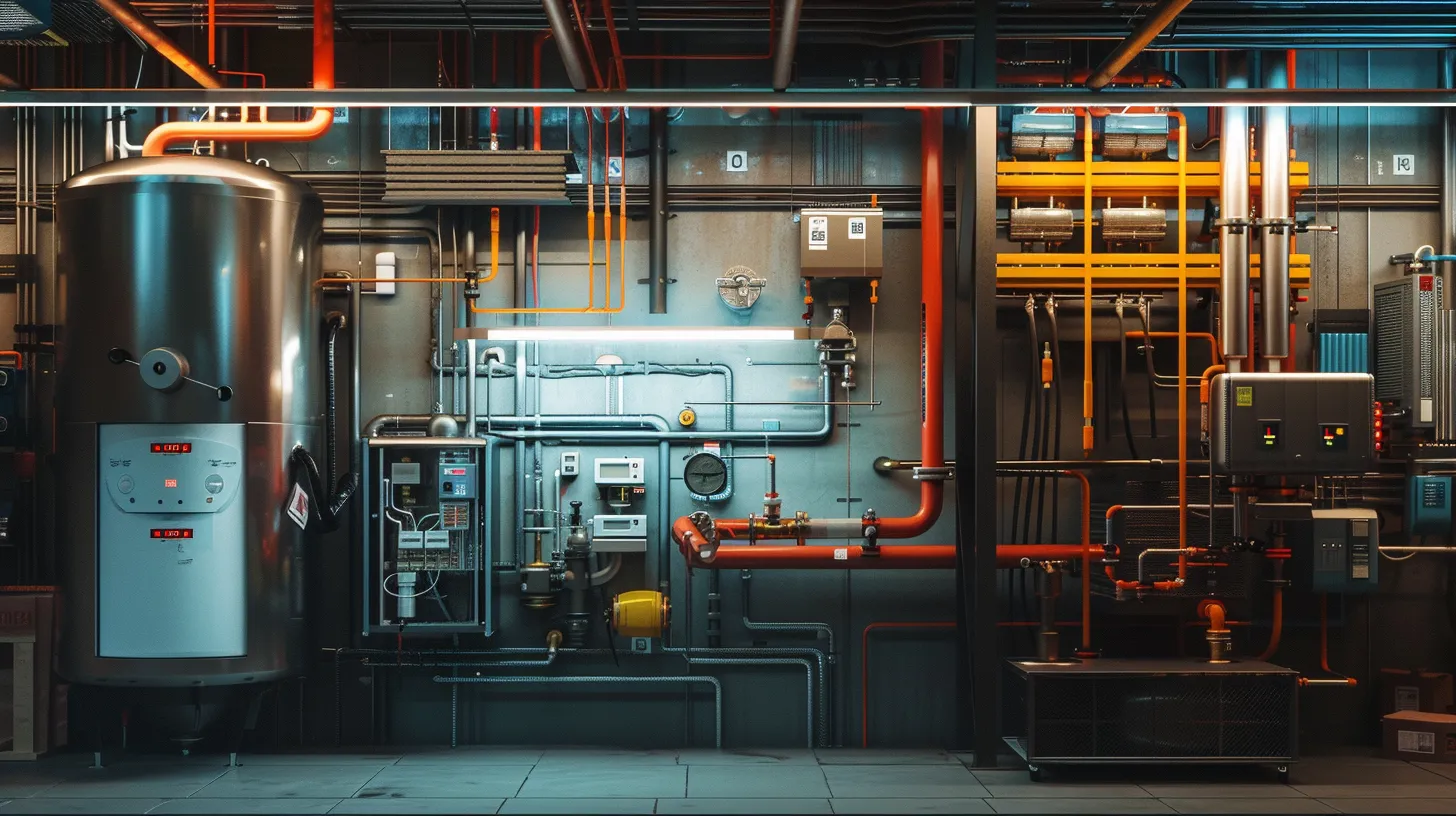
Understanding how a tankless water heater expansion tank functions is essential for maintaining your plumbing system’s efficiency and safety. This section explores thermal expansion in plumbing systems, how expansion tanks prevent pressure surges, and their role in maintaining water heater efficiency. You’ll learn why building codes often require these devices and how they can help prevent leaks, saving you from costly plumber visits.
Understanding Thermal Expansion in Plumbing Systems
Thermal expansion in plumbing systems occurs when water heats up and expands, increasing pressure within your pipes. As your tankless water heater rapidly heats water through its heat exchanger, this expansion can cause significant pressure buildup. Without proper management, this pressure can strain your plumbing, potentially damaging pipes, fixtures, and even your backflow prevention device. Understanding this phenomenon helps you appreciate the importance of expansion tanks in maintaining the integrity of your home’s water supply system.
Preventing Pressure Surges With an Expansion Tank
Your expansion tank effectively prevents pressure surges in your tankless water heater system. By providing a cushion for thermal expansion, it absorbs excess pressure and maintains a stable environment in your plumbing. This not only protects your pipes and fixtures but also enhances energy efficiency and reduces long-term costs. If you’re considering installing an expansion tank, consult a professional plumber who can assess your system and provide an accurate cost estimate, which you may be able to pay with a credit card for convenience.
Role of an Expansion Tank in Maintaining Water Heater Efficiency
Your expansion tank plays a vital role in maintaining your tankless water heater’s efficiency. By regulating pressure, it reduces strain on the system’s components, including valves and metal parts. This pressure management extends the life of your water heater, potentially preserving its warranty. The tank works in tandem with the pressure regulator to ensure optimal performance, preventing excessive wear and tear that could lead to costly repairs or replacements.
Installation Process for a Tankless Water Heater Expansion Tank
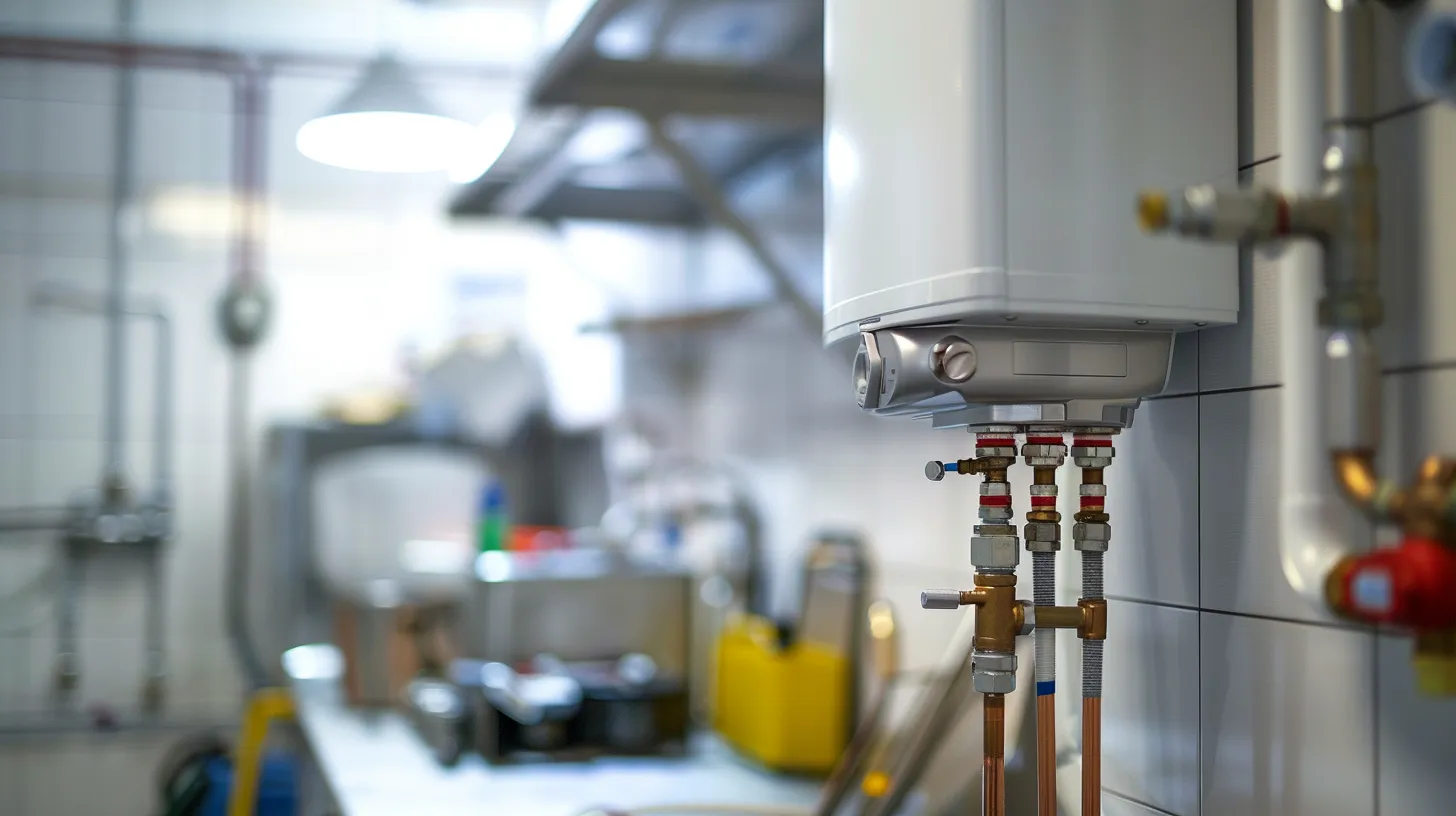
Installing a tankless water heater expansion tank requires careful attention to plumbing codes and proper technique. You’ll need specific tools and follow precise steps to ensure a correct installation. This section covers the necessary equipment, installation process, and common pitfalls to avoid. Understanding these aspects will help you maintain your water supply system’s integrity and comply with local regulations.
Tools Required for Installation
To install a tankless water heater expansion tank, you’ll need specific tools to ensure proper connection and safety. These include a pipe wrench, adjustable wrench, Teflon tape, and a pressure gauge to check your system’s water pressure. You may also require a mobile app to monitor your tankless water heating system’s performance and adjust settings remotely. Remember to have a drain pan ready in case of any water spillage during installation.
Steps to Properly Install the Expansion Tank
To properly install your tankless water heater expansion tank, you’ll need to carefully follow a series of steps. First, shut off your home’s main water supply and drain the existing system. Next, locate the cold water inlet on your tankless water heater and install a tee fitting. Attach the expansion tank to this tee, ensuring it’s securely fastened. Use Teflon tape on all threaded connections to prevent leaks. Finally, refill the system and check for any signs of water damage or leaks in your residential plumbing. This process helps maintain the integrity of your heating system and protects against potential steel corrosion.
Common Mistakes to Avoid During Installation
When installing your tankless water heater expansion tank, avoid common mistakes that could compromise your system’s efficiency. Don’t overtighten connections, as this can damage threads and cause leaks. Ensure you install the tank in the correct orientation, typically vertically with the air valve at the top. Remember to pre-charge the tank to match your home’s water pressure before installation. Failing to do so can reduce the tank‘s effectiveness in managing thermal expansion.
Maintenance Tips for a Tankless Water Heater Expansion Tank
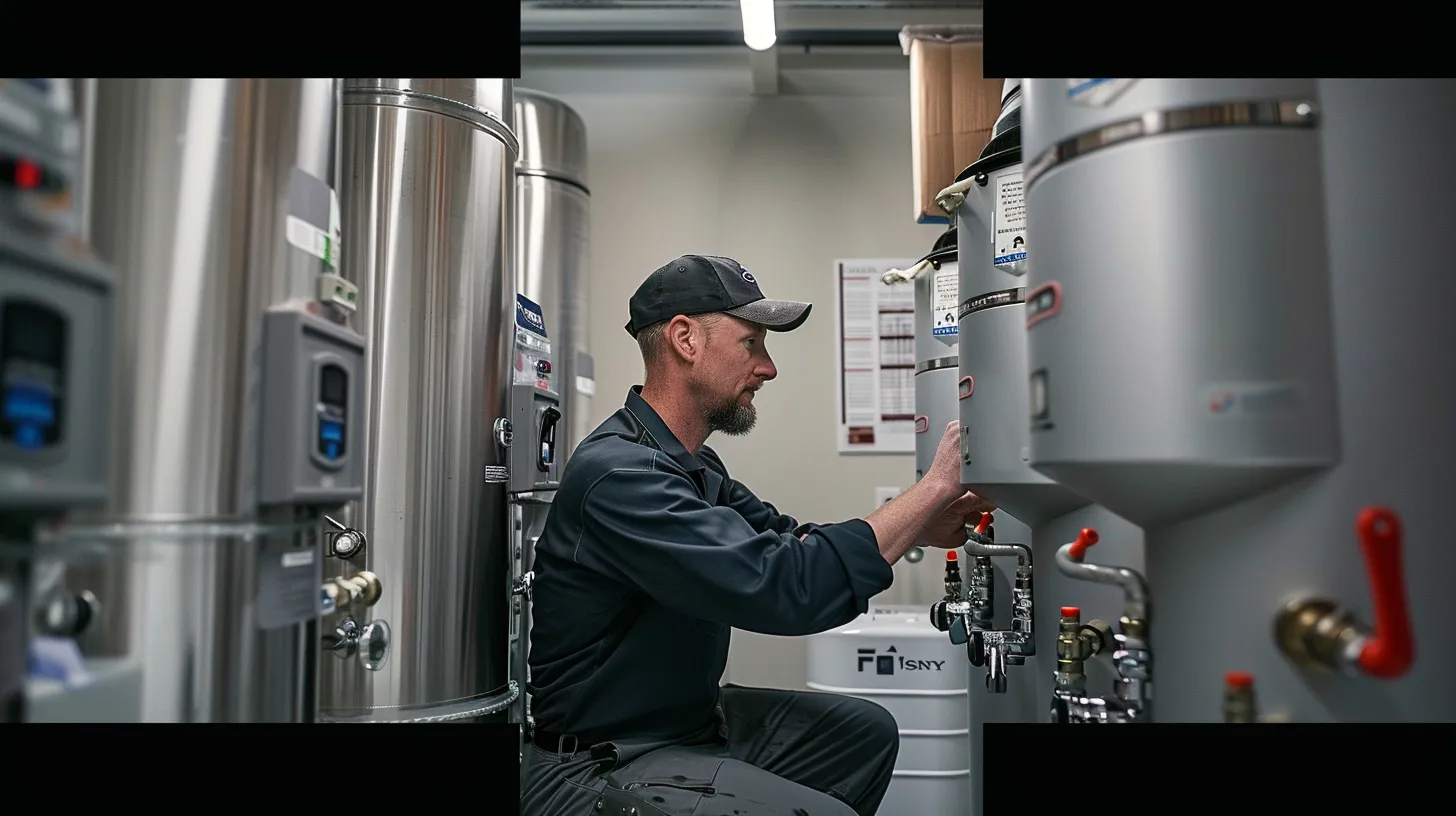
Regular maintenance of your tankless water heater expansion tank is crucial for optimal performance and longevity. This section covers routine checks you should perform to ensure your tank functions properly. You’ll also learn about signs that indicate your expansion tank may be failing, helping you address issues before they become costly problems.
Routine Checks for Optimal Performance
To maintain optimal performance of your tankless water heater expansion tank, conduct routine checks every six months. Inspect the tank for signs of corrosion or leaks, and test the air pressure using a tire gauge. If the pressure is below the recommended level, use an air compressor to replenish it. Check all connections for tightness and ensure the tank is properly secured. These simple maintenance steps can prevent costly repairs and extend the life of your plumbing system.
Signs of a Failing Expansion Tank
Be vigilant for signs of a failing expansion tank in your tankless water heater system. Listen for unusual noises like banging or knocking in your pipes, which may indicate pressure fluctuations. Check for leaks around the tank or connections, and monitor your water pressure. If you notice frequent drops in hot water temperature or increased energy bills, your expansion tank may not be functioning properly. Address these issues promptly to prevent damage to your plumbing system and maintain the efficiency of your tankless water heater.
Benefits of Using a Tankless Water Heater Expansion Tank

Using a tankless water heater expansion tank offers several key benefits for your home’s plumbing system. It extends your water heater’s lifespan, improves water pressure consistency, and reduces the risk of household water damage. These advantages ensure efficient operation, enhance your daily water usage experience, and protect your property from potential plumbing issues.
Extending the Life of Your Water Heater
Using a tankless water heater expansion tank significantly extends the life of your water heater. By managing pressure fluctuations, the expansion tank reduces stress on your heater’s components, preventing premature wear and tear. This protection helps maintain your water heater’s efficiency over time, potentially saving you money on energy bills and costly replacements. Regular use of an expansion tank can help preserve your water heater’s warranty and ensure its optimal performance for years to come.
Improving Water Pressure Consistency
Your tankless water heater expansion tank significantly improves water pressure consistency throughout your home. By absorbing excess pressure caused by thermal expansion, it prevents sudden spikes or drops in water pressure when you use hot water. This ensures a steady flow from your taps and showers, enhancing your daily comfort and the performance of water-dependent appliances.
Reducing Household Water Damage Risks
Your tankless water heater expansion tank plays a vital role in reducing household water damage risks. By managing pressure fluctuations, it prevents stress on your plumbing system, minimizing the likelihood of leaks or burst pipes. This protection extends to your fixtures and appliances, safeguarding them from potential damage caused by excessive pressure.
Comparing Tankless Water Heater Expansion Tanks With Traditional Tanks
When comparing tankless water heater expansion tanks with traditional tanks, you’ll find key differences in design and functionality. This section examines these distinctions, along with a cost analysis of long-term savings and energy efficiency considerations. Understanding these factors will help you make an informed decision for your home’s plumbing system.
Differences in Design and Functionality
Your tankless water heater expansion tank differs significantly from traditional tanks in design and functionality. While traditional tanks store and heat large volumes of water, tankless systems heat water on demand, requiring a specialized expansion tank to manage pressure fluctuations. This compact design integrates seamlessly with your tankless system, offering efficient pressure regulation without the space requirements of conventional storage tanks.
Cost Analysis and Long-Term Savings
When comparing the cost of a tankless water heater expansion tank to traditional tanks, consider both upfront and long-term expenses. While the initial investment for a tankless system with an expansion tank may be higher, you’ll likely see significant savings over time. These savings come from reduced energy consumption, lower maintenance costs, and increased system longevity. By preventing pressure-related damage, the expansion tank also helps you avoid costly repairs, contributing to overall cost-effectiveness.
Energy Efficiency Considerations
Your tankless water heater expansion tank contributes to overall energy efficiency by optimizing system performance. It allows your tankless heater to operate at peak efficiency by managing pressure fluctuations, reducing strain on components, and preventing energy waste from frequent cycling. This efficiency translates to lower energy bills and a reduced environmental impact compared to traditional tank systems.
Conclusion
Understanding the role of a tankless water heater expansion tank is crucial for maintaining an efficient and safe plumbing system. This device manages pressure fluctuations caused by thermal expansion, preventing damage to pipes, fixtures, and the water heater itself. By installing and properly maintaining an expansion tank, homeowners can extend the life of their water heater, improve water pressure consistency, and reduce the risk of costly water damage. Ultimately, investing in a tankless water heater expansion tank leads to long-term savings, enhanced energy efficiency, and peace of mind for property owners.