
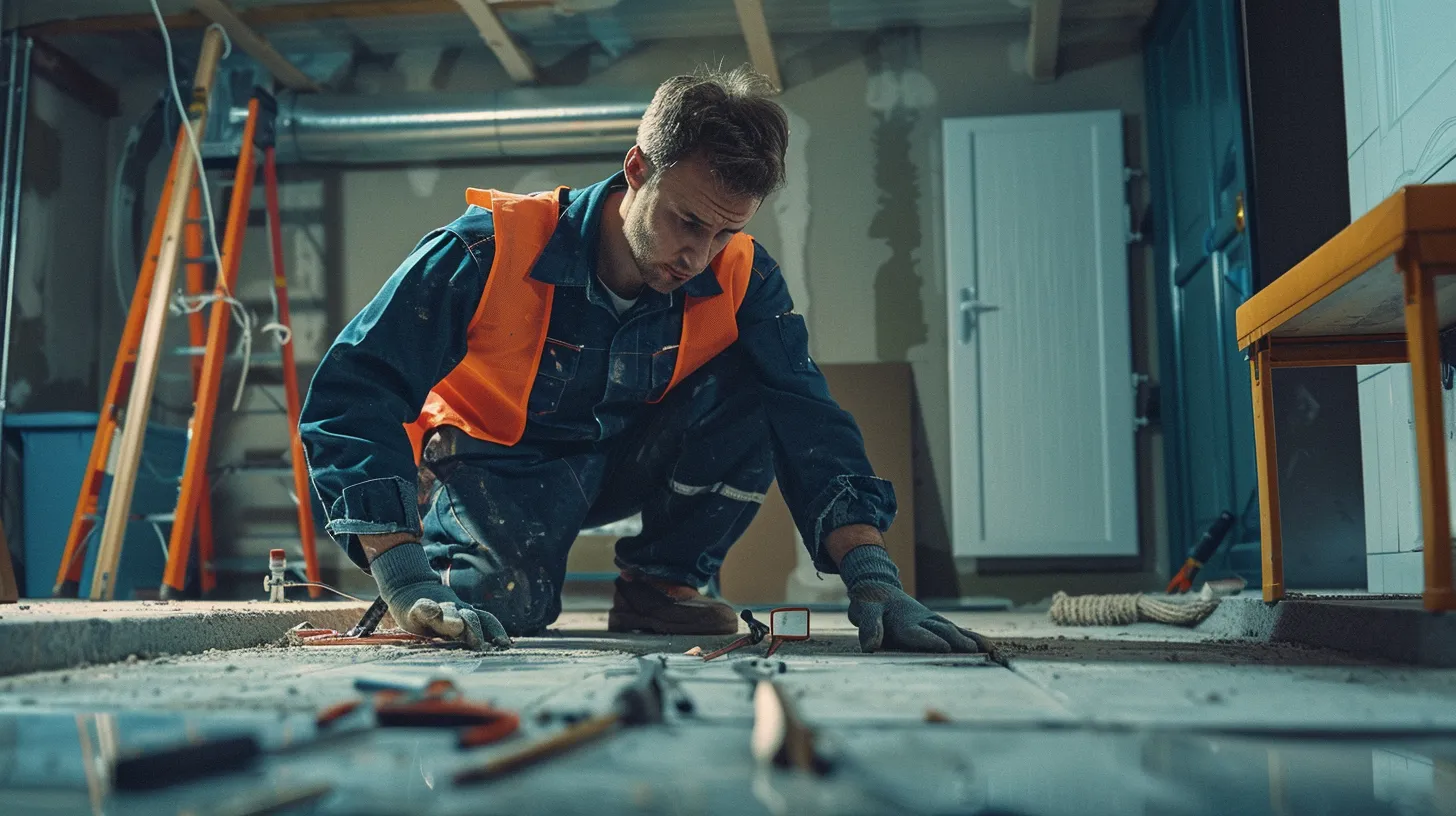
How Do You Fix a Slab Leak: Effective Solutions for Homeowners
Slab leaks can cause significant damage to your home and lead to expensive repairs if left unaddressed. This guide will help you understand what slab leaks are, how to identify them, and the most effective solutions for fixing them. You’ll learn about the three main options for repairing slab leaks and how long the process typically takes. By the end of this article, you’ll be equipped with the knowledge to tackle slab leaks and protect your home from potential water damage.
What Is a Slab Leak and How Does It Occur?
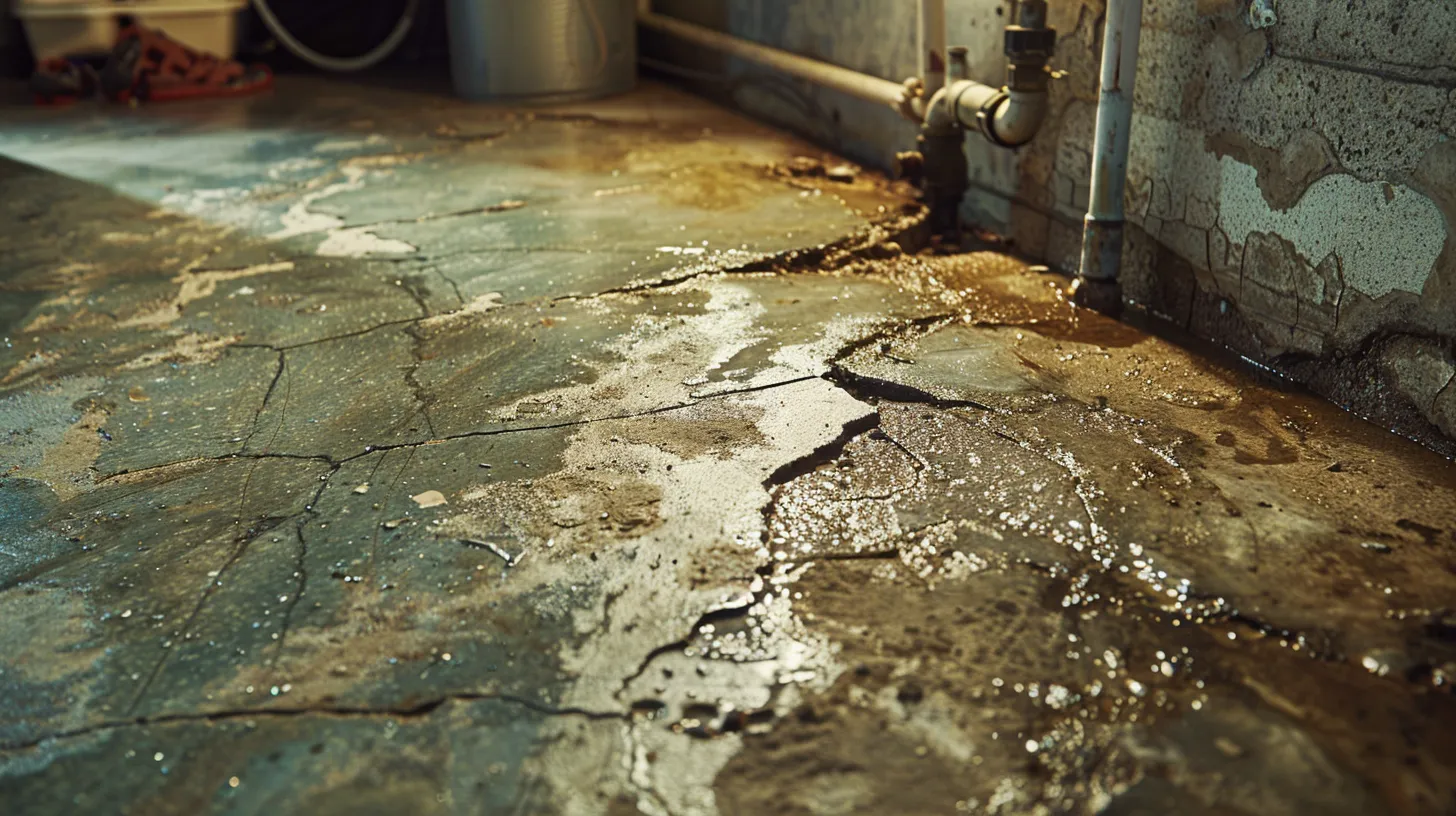
A slab leak occurs when pipes beneath your home’s concrete foundation develop problems, potentially causing significant damage. These leaks can result from soil expansion or contraction, improper construction materials, abrasion, outside pressures, and chemical reactions. Understanding these factors is crucial for effective repair, whether you’re dealing with basement issues or considering trenchless pipe repair options.
Soil Expansion or Contraction
Soil expansion and contraction can significantly impact your home’s foundation and water supply lines. As the soil beneath your concrete foundation shifts due to moisture changes, it can exert pressure on pipes, leading to leaks. Regular maintenance and inspection of your foundation can help detect early signs of soil movement, potentially preventing costly slab leaks and ensuring the integrity of your plumbing system.
Improper Construction or Plumbing Materials Used
Improper construction techniques or substandard plumbing materials can lead to slab leaks in your home. When builders use low-quality pipes or fail to account for soil erosion, your plumbing system becomes vulnerable to damage. Consider epoxy pipe lining as a cost-effective solution to reinforce weak spots without extensive excavation. Check your home insurance policy to see if it covers slab leak repairs, as some policies may offer protection against construction-related issues.
Abrasion and Other Outside Pressures
Abrasion and external pressures can significantly contribute to slab leaks in your home. As water lines beneath your foundation move due to soil shifts, they may rub against concrete or other materials, gradually wearing down the pipes. To protect against this, you can install a vapor barrier during construction or renovation. Additionally, issues like a leaking roof or faulty sump pump can increase hydrostatic pressure on your foundation, potentially leading to pipe damage. Regular inspections of your plumbing system, including checking for lead pipes that may be more susceptible to corrosion, can help you identify and address these problems before they escalate into costly slab leaks.
Chemistry
Chemical reactions can contribute to slab leaks in your home’s concrete slab foundation. Corrosive substances in soil or water can degrade pipes, especially if they’re made of certain metals or plastic materials. This corrosion weakens the pipes, making them more susceptible to leaks. To prevent such issues, consider having regular plumbing inspections, particularly in areas like your kitchen where water usage is high. If you have an irrigation system, ensure it’s not causing excessive moisture around your foundation, which could accelerate chemical reactions and pipe deterioration.
Common Warning Signs You Have a Slab Leak

Be alert for increased water bills, damp spots on floors, or the sound of running water when all taps are closed. These signs can indicate a slab leak, potentially causing damage to your home’s foundation and nearby trees. If you notice any of these symptoms, it’s crucial to act quickly to prevent further issues.
Watch for warped or buckled flooring, especially in areas where water pipes run beneath. Cracks in your walls or drywall, particularly near the floor, can also signal a slab leak. These visible signs often appear after the leak has already caused significant damage, making prompt detection essential.
If you suspect a slab leak, consider professional pipe lining or coating services. These methods can repair damaged pipes without extensive excavation, saving time and money. Regular inspections and maintenance can help detect leaks early, preventing costly repairs and protecting your home’s structural integrity.
Three Options for Fixing a Slab Leak

When facing a slab leak, you have three main repair options: trenchless slab leak repair, pipe re-piping or re-routing, and tunneling under the slab. Each method offers unique advantages, from minimizing disruption to your home’s structure to addressing specific plumbing issues. Understanding these options will help you make an informed decision about the best solution for your water heating system and overall plumbing needs.
Trenchless Slab Leak Repair
Trenchless slab leak repair offers a minimally invasive solution for fixing water line issues beneath your home’s foundation. This method involves creating small access points to insert a new pipe or lining within the existing damaged pipe, effectively sealing leaks without extensive excavation. By using this technique, you can address slab leaks quickly and efficiently, minimizing disruption to your property’s drainage system and surrounding clay soil. Trenchless repair is particularly useful for addressing sink and water line problems in areas with challenging access, ensuring your plumbing system remains functional and leak-free.
Pipe Re-Piping or Re-Routing
Pipe re-piping or re-routing offers a comprehensive solution for addressing slab leaks in your home. This method involves replacing the damaged pipes or creating new plumbing routes to bypass the affected areas. While it may require more extensive work than trenchless repair, re-piping ensures a long-term fix for persistent leak issues. You might need to use a jackhammer to access the pipes, but this approach allows for thorough leak detection and addressing any underlying corrosion problems. Consider combining this repair with an inspection of your air conditioning system, as leaks can sometimes affect nearby utilities.
Tunneling Under the Slab
Tunneling under the slab offers a solution for addressing water pipe leaks without disturbing your living space. This method involves digging a tunnel beneath your foundation to access and repair damaged pipes, including those made of polyvinyl chloride. While more labor-intensive than other options, tunneling can be crucial for emergency repairs and helps prevent mold growth by addressing leaks directly. You might consider pipe bursting techniques during this process to replace old pipes with new ones, ensuring a long-lasting fix for your plumbing system.
How Long Does It Take to Fix a Slab Leak?

Fixing a slab leak typically takes 2-5 days, depending on the extent of the damage and the repair method chosen. Your plumber will use specialized cameras to locate the leak precisely, which can help expedite the process. If water damage has occurred, additional time may be needed for water damage restoration.
The repair timeline can vary based on factors such as the accessibility of the leak and whether your storm drain system is affected. Trenchless repair methods are often quicker, potentially completed in 1-2 days. More extensive repairs, like re-piping or tunneling, may take up to a week.
Your plumber will provide a more accurate timeline after assessing the situation. Remember that prompt action is crucial to minimize water damage and prevent further issues with your plumbing system. Addressing slab leaks quickly can save you time and money in the long run.
Seek Services From Slab Leak Specialists in Texas
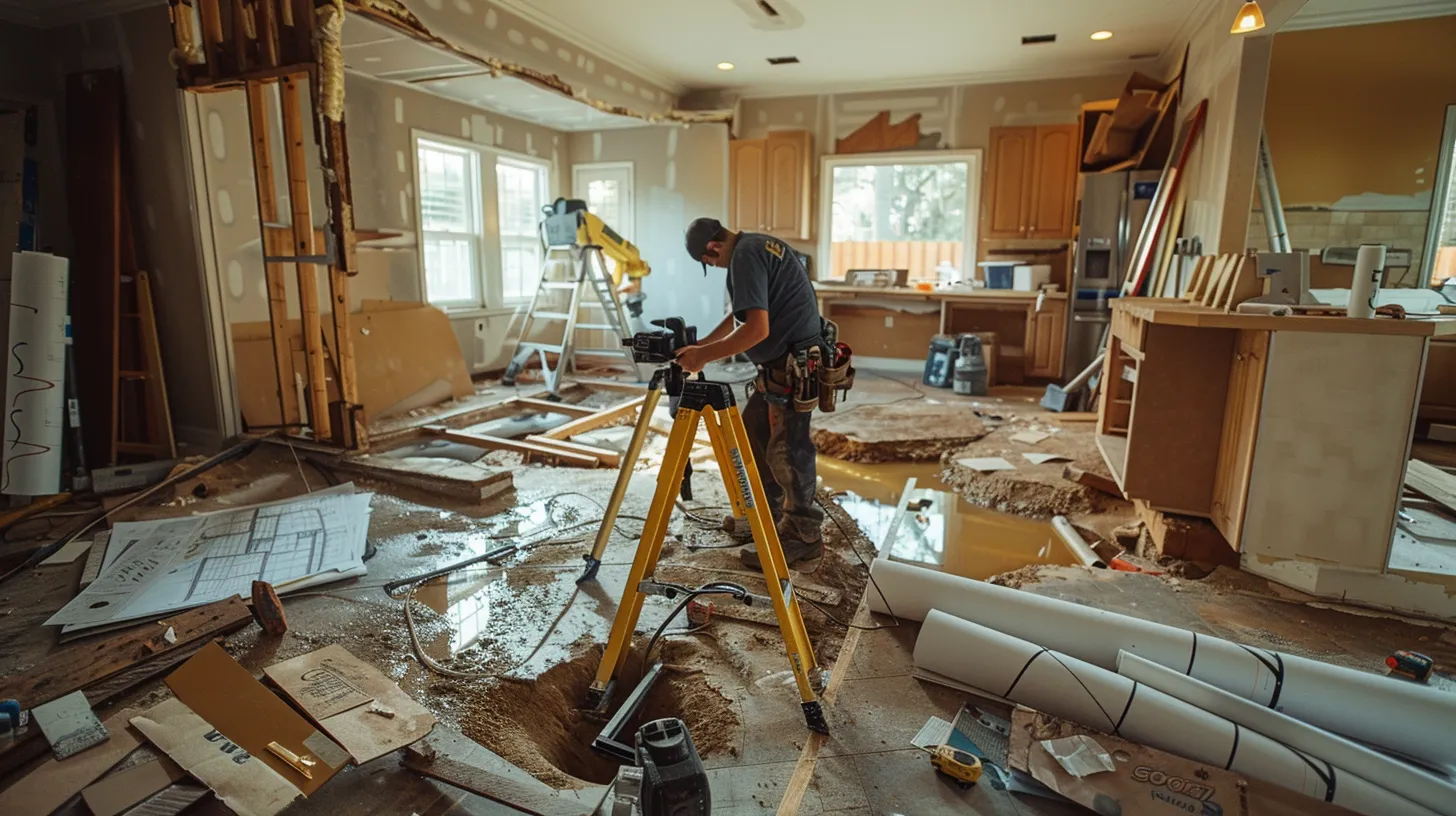
When dealing with a slab leak, seek the expertise of specialists in Texas for effective repair solutions. These professionals use advanced techniques like solder repairs and can address associated issues such as mildew growth. Their knowledge of local soil conditions and building practices ensures thorough slab leak diagnosis and repair.
Texas slab leak specialists offer comprehensive services, including basement waterproofing to prevent future leaks. They can identify the root cause of your slab leak, whether it’s due to soil movement, corrosion, or construction issues. Their expertise helps protect your home’s foundation and prevents costly water damage.
Choose a reputable slab leak repair service in Texas to ensure quality workmanship and lasting results. These experts can provide options ranging from trenchless repairs to complete re-piping, tailored to your specific situation. Their prompt and professional service minimizes disruption to your home while effectively resolving your slab leak issues.
Conclusion
Slab leaks can cause significant damage to your home, making early detection and prompt action crucial. Understanding the causes, recognizing warning signs, and knowing repair options empowers homeowners to address these issues effectively. Whether opting for trenchless repairs, re-piping, or tunneling, choosing the right solution can save time, money, and prevent further structural damage. Seeking professional help from slab leak specialists ensures expert diagnosis and tailored solutions, protecting your home’s foundation and preserving its value for years to come.