

Do You Need a Permit to Move a Gas Line?
Are you considering moving a gas line in your home or business? Before you start, it’s crucial to understand the legal requirements. This article will guide you through gas line regulations, permit requirements, and the steps to take when relocating a gas line. We’ll also discuss the potential consequences of moving a gas line without proper authorization. By the end, you’ll have the knowledge to safely and legally handle your gas line project.
Navigating the Permit Process for Relocating Gas Lines
- Gas line relocations often require permits to ensure safety and compliance with local regulations
- Unpermitted gas line work can result in legal consequences, safety risks, and complications for future repairs
- Proper coordination with local authorities and gas companies is essential for safe gas line relocation
- Permit requirements vary by jurisdiction and project scope, so always consult professionals before starting work
- Improper gas line modifications can void insurance, complicate property sales, and lead to costly corrections
Understanding Gas Line Regulations

Understanding gas line regulations is crucial when considering moving a valve or pipe for your water heating system. You’ll need to know what defines a gas line move and its implications, as well as identify which types of gas lines may require a permit. These regulations ensure safety and compliance, whether you’re dealing with polyvinyl chloride pipes or systems measured in British thermal units.
What Defines a Gas Line Move and Its Implications
A gas line move involves relocating or altering the existing natural gas piping system in your home or business. This can include extending lines to new appliances, rerouting pipes through walls or the roof, or adjusting connections for renovations. You might need to move gas lines when installing a new heat source, relocating a water heater, or updating your kitchen layout.
The implications of moving gas lines are significant due to safety concerns and regulatory requirements. Improper handling can lead to gas leaks, which pose serious health and fire risks. Additionally, alterations to gas systems often require professional assessment, adherence to local building codes, and potential updates to other components like venting or masonry work. Here’s a breakdown of common gas line move scenarios:
| Scenario | Typical Implications |
|---|---|
| Kitchen Remodel | Rerouting gas lines, updating connections |
| New Appliance Installation | Extending gas lines, adding shut-off valves |
| Bathroom Renovation | Moving gas lines for tankless water heaters, adjusting venting |
| Outdoor Living Space | Extending lines for grills or fire features, weatherproofing |
Identifying Types of Gas Lines That May Require a Permit
You’ll likely need a permit for gas line modifications in high-risk areas like kitchens, where appliances such as stoves and water heaters are present. Gas lines connecting to boilers or running through enclosed spaces like garages also frequently require permits due to the potential for gas accumulation and increased safety risks.
Permits are typically necessary when you’re extending gas lines, increasing pipe diameter, or relocating major components of your gas system. This includes moving a gas meter, installing new gas appliances, or rerouting lines during renovations. Always consult local building codes and a licensed professional to determine specific permit requirements for your gas line project.
Determining Permit Requirements for Gas Line Movements

When considering gas line relocation in Texas, you must navigate permit requirements to ensure safety and compliance. Factors like project scope, location, and system capacity (measured in cubic feet) influence permit necessity. Understanding state and local regulations is crucial, as different jurisdictions have specific criteria. Plumbers play a key role in this process, helping you avoid gas leaks and potential insurance issues.
Factors Influencing Permit Necessity for Gas Line Relocation
When determining if you need a permit to move a gas line, consider the extent of the relocation and potential safety risks. Factors such as the length of the new line, changes in pipe diameter, and proximity to living spaces can influence permit requirements. Additionally, your local jurisdiction may mandate inspections for any gas line modifications to ensure proper installation and prevent leaks.
The material of your gas lines, such as copper or steel, can also affect permit necessity due to varying corrosion risks. You should always consult with a licensed plumber who can assess your specific situation, including the age of your system and its capacity, to determine if a permit is required. Remember, obtaining the proper permits not only ensures compliance but also protects you from potential liability issues in case of future gas-related incidents.
Common Jurisdictions and Their Specific Permit Criteria
You’ll find that permit criteria for gas line movements vary across jurisdictions. In Fort Worth, for example, you need a permit for any gas line work, including relocating lines for propane systems or installing corrugated stainless steel tubing. These regulations ensure proper installation and safety, particularly when dealing with complex systems that may involve chimneys or engines.
Weatherford and Aledo have similar requirements, but with specific focus on residential and commercial properties. You must obtain permits for gas line alterations in these areas, especially when modifying existing systems or installing new ones. Always consult local authorities or a licensed plumber to understand the exact criteria for your jurisdiction, as requirements can change and may involve specific documentation or inspections.
The Role of State and Local Regulations in Permitting
You must navigate both state and local regulations when determining permit requirements for gas line movements. Texas state law establishes baseline safety standards, but local jurisdictions often impose additional criteria. These regulations consider factors like the gas line’s length, its location within your home (e.g., basement or attic), and the scope of your renovation project.
During home improvement projects involving gas lines, you’ll need to consult local building codes. These codes specify requirements based on factors such as temperature ranges in your area and the complexity of the installation. Your local permitting office can provide guidance on specific requirements for your gas line project, ensuring compliance and safety throughout the renovation process.
| Regulatory Level | Key Considerations |
|---|---|
| State | Baseline safety standards, general guidelines |
| Local | Specific permit criteria, building codes, inspection requirements |
| Project-Specific | Line length, location, renovation scope, temperature considerations |
Steps to Take When Moving a Gas Line

When moving a gas line, whether it’s iron, steel, or another material, you must follow specific steps to ensure safety and compliance. These steps include assessing permit requirements, engaging with local authorities, and coordinating with gas companies. Understanding these processes is crucial, especially when relocating lines in different rooms or adjusting fuel systems. Here’s what you need to know to navigate this complex task effectively.
How to Assess the Need for a Permit Before Any Relocation
Before relocating any gas line, you must assess whether a permit is required. Start by checking your local building codes and contacting your city’s construction department. They can provide information on permit requirements for fuel gas line modifications, including those for fireplaces or other appliances.
Next, consider the scope of your project. Minor repairs may not require a permit, but significant changes or extensions to your gas system likely will. Document your plans and prepare to email this information to the relevant authorities. This proactive approach ensures compliance and safety throughout your gas line relocation process:
| Assessment Step | Action |
|---|---|
| Local Code Review | Check building codes for gas line requirements |
| Authority Contact | Reach out to city construction department |
| Project Scope Evaluation | Determine extent of gas line modifications |
| Documentation | Prepare and submit plans via email if required |
Engaging With Local Authorities for Permission Processes
When engaging with local authorities for gas line relocation permission, you’ll need to contact your city’s building department or permitting office. Prepare detailed plans of your proposed gas line changes, including the location, length, and any new connections. Submit these plans along with your permit application, which may require specific forms and fees.
You may need to schedule inspections before and after the gas line work. These inspections ensure compliance with local codes and safety standards. Be prepared to provide additional information or make adjustments to your plans if required by the inspectors. Following this process diligently helps ensure a smooth and legal gas line relocation:
| Step | Action |
|---|---|
| Contact | Reach out to city building department |
| Plan Preparation | Create detailed gas line relocation plans |
| Application Submission | Submit plans and required forms |
| Inspections | Schedule pre- and post-work inspections |
Coordinating With Gas Companies for Safety and Compliance
When coordinating with gas companies for safety and compliance, you must contact your local gas utility provider before starting any relocation work. They will guide you through their specific requirements and may need to disconnect the gas supply during the project. You should provide them with your relocation plans and obtain any necessary approvals to ensure your modifications align with their safety standards.
After completing the gas line relocation, you’ll need to schedule an inspection with the gas company. They will verify that the new installation meets all safety regulations and perform pressure tests to check for leaks. Once approved, the gas company will reconnect your service and issue a certificate of compliance, which may be required by local authorities to close out your permit:
| Stage | Action |
|---|---|
| Pre-relocation | Contact gas company, submit plans, obtain approvals |
| During relocation | Adhere to gas company guidelines, maintain communication |
| Post-relocation | Schedule inspection, pressure testing, obtain compliance certificate |
Consequences of Moving a Gas Line Without a Permit
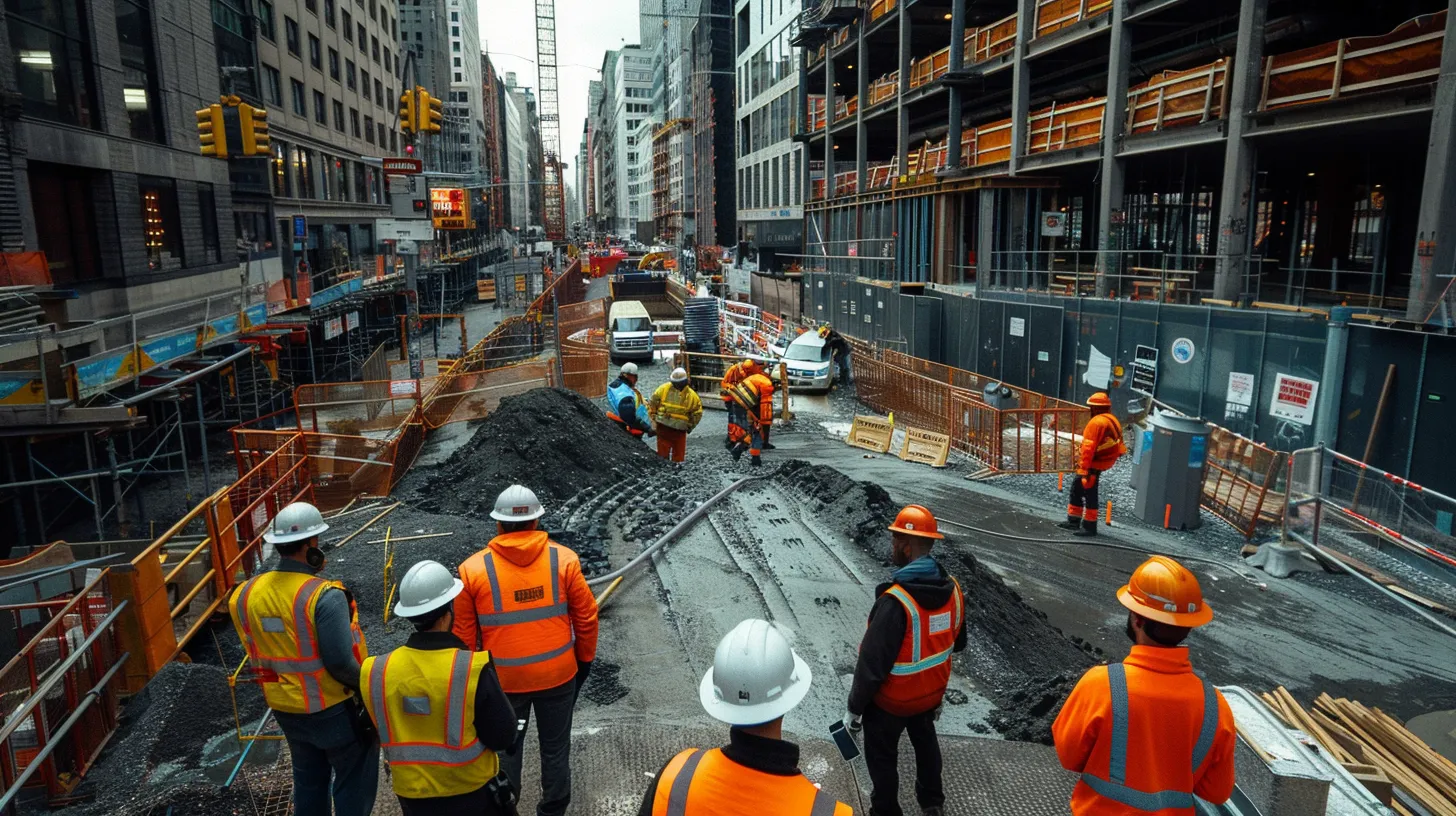
Moving a gas line without a permit can lead to serious consequences. You may face legal repercussions, including fines and penalties, for unauthorized modifications. Unpermitted relocations pose significant safety risks, potentially endangering your property and lives. Additionally, improper procedures can complicate future repairs or modifications, requiring costly corrections to meet code requirements. Understanding these risks is crucial before considering any gas line alterations.
Legal Repercussions of Unauthorized Gas Line Modifications
You face serious legal consequences if you modify gas lines without proper permits. Local authorities can issue hefty fines, often ranging from hundreds to thousands of dollars, depending on the extent of unauthorized work. In severe cases, you might even face misdemeanor charges, leading to potential jail time and a criminal record.
Unauthorized gas line modifications can void your homeowner’s insurance, leaving you financially vulnerable in case of accidents. Additionally, you may be required to remove or redo the unpermitted work, incurring significant costs. When selling your property, undisclosed unpermitted work can complicate transactions, potentially leading to legal disputes with buyers.
Safety Risks Associated With Unpermitted Gas Line Relocations
When you relocate gas lines without proper permits, you expose yourself to significant safety risks. Improper installations can lead to gas leaks, which pose immediate dangers of fire or explosion. These hazards not only threaten your property but also endanger the lives of your family and neighbors.
Unpermitted gas line relocations often lack professional oversight, increasing the likelihood of faulty connections or inadequate sealing. Over time, these issues can worsen, potentially causing carbon monoxide buildup or sudden gas releases. Without proper inspections, these dangerous conditions may go undetected until a serious incident occurs.
How Improper Procedures Can Affect Future Repairs or Modifications
Improper gas line relocations can complicate future repairs or modifications to your home’s gas system. When you attempt future updates or repairs, you may encounter unexpected issues due to non-standard installations or undocumented changes. This can lead to increased costs and extended project timelines as professionals work to rectify previous mistakes before proceeding with new work.
Unpermitted gas line relocations often lack proper documentation, making it challenging for future technicians to understand your system’s layout. This lack of information can result in accidental damage during unrelated repairs or renovations, potentially causing gas leaks or system failures. Additionally, you may face difficulties obtaining necessary permits for future projects, as local authorities might require you to bring all existing work up to code before approving new modifications.
Frequently Asked Questions
What are the typical regulations for moving gas lines in residential areas?
Gas line regulations in residential areas typically require permits, licensed professionals, and adherence to local codes. Safety inspections are mandatory, and specific clearances from structures and utilities must be maintained. Homeowners should consult their local building department for precise requirements before undertaking any gas line modifications.
How can I determine if I need a permit to relocate my gas line?
To determine if you need a permit to relocate your gas line, contact your local building department or city hall. They can provide specific requirements for your area, as regulations vary by location. Always consult a licensed plumber for professional advice and to ensure safety compliance.
What are the essential steps involved in moving a gas line safely?
Moving a gas line safely requires professional expertise. Licensed plumbers assess the existing setup, plan the new route, obtain necessary permits, shut off the gas supply, disconnect and reconnect the line, pressure test for leaks, and restore gas service. Always prioritize safety and compliance with local regulations.
Who is authorized to perform gas line relocation work in my area?
Only licensed plumbers or certified gas technicians are authorized to perform gas line relocation work in your area. These professionals must have proper training, certification, and insurance to ensure safety and compliance with local regulations. Always verify credentials before hiring for gas-related services.
What penalties might I face for moving a gas line without proper permits?
Moving a gas line without proper permits can result in hefty fines, legal penalties, and potential safety hazards. You may face citations from local authorities, be required to remove or redo the work, and could even face criminal charges if accidents occur due to the unauthorized modification.
Conclusion
Obtaining proper permits for gas line relocations is crucial for ensuring safety, compliance, and avoiding legal consequences. Professional assessment and adherence to local regulations are essential when considering any modifications to your gas system. Engaging with local authorities and gas companies throughout the process helps maintain safety standards and prevents potential hazards. By following proper procedures and obtaining necessary permits, you protect your property, ensure the well-being of occupants, and avoid complications in future repairs or property transactions.